Environment Minister Criticises Her Own Office's Data as 'Fake News'
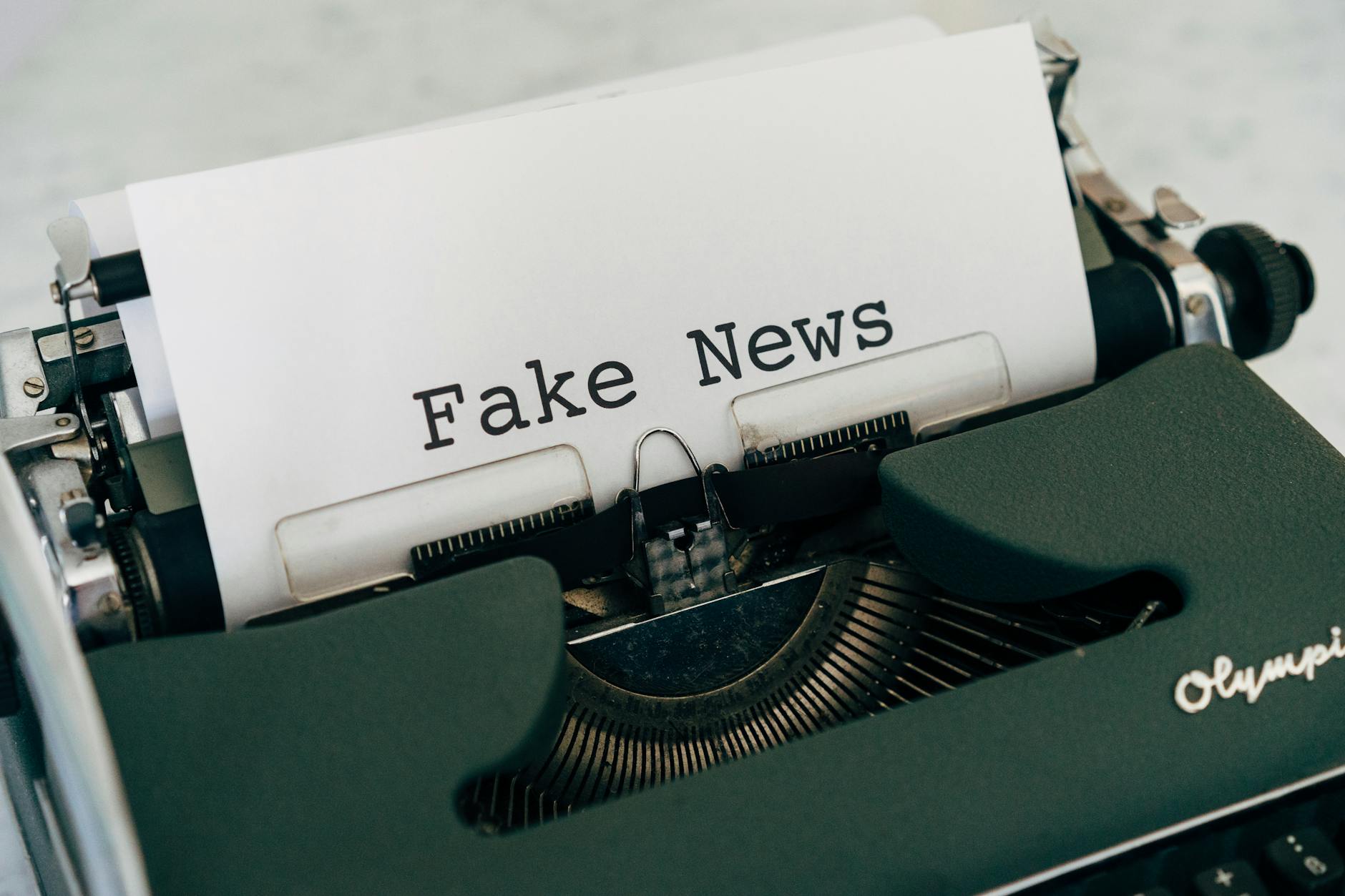
In an unexpected move that has left many scratching their heads, South Africa's Environment Minister, W Aucamp, has openly criticised data emanating from her own department, denouncing it as 'fake news'. This unusual display of discord within the Department of Forestry, Fisheries and the Environment (DFFE) has sparked a debate over the accuracy and transparency of governmental environmental data.
During a press conference in Pretoria, Minister Aucamp expressed her dismay over a recent report that painted a rather bleak picture of the country's deforestation rates. 'The figures are exaggerated and misleading,' she asserted, adding that the data was not reflective of the on-the-ground realities. Her comments have ignited a firestorm of discussions about the integrity of environmental statistics and the potential political motivations behind such claims.
A Crisis of Credibility?
This incident underscores a broader crisis of credibility plaguing governmental communications worldwide. In an era where misinformation spreads like wildfire, even official sources are not immune from scrutiny. The minister's remarks echo a growing sentiment among some public officials who feel that data manipulation and sensationalism are undermining public trust.
Critics, however, argue that the minister's actions could have far-reaching implications, potentially undermining efforts to address genuine environmental issues. 'Discrediting data without substantial evidence can lead to public scepticism,' noted environmental analyst Thabo Mbeki. 'It's a delicate balance between questioning data and completely disregarding it.'
The Role of Media and Public Figures
The minister's outburst also raises questions about the role of media and public figures in perpetuating misinformation. A recent study highlighted how mainstream media and public figures, by failing to correct debunked misinformation, contribute to its spread. This has led to calls for heightened responsibility and accountability among those in positions of influence.
As the dust settles on this controversy, the minister's department has pledged to review its data collection and reporting processes. Whether this will restore confidence in South Africa's environmental statistics remains to be seen, but it certainly highlights the challenges faced by governments in maintaining transparency and accuracy in a rapidly changing information landscape.