Environment Minister Justifies Nicobar Clearance Amidst Concerns
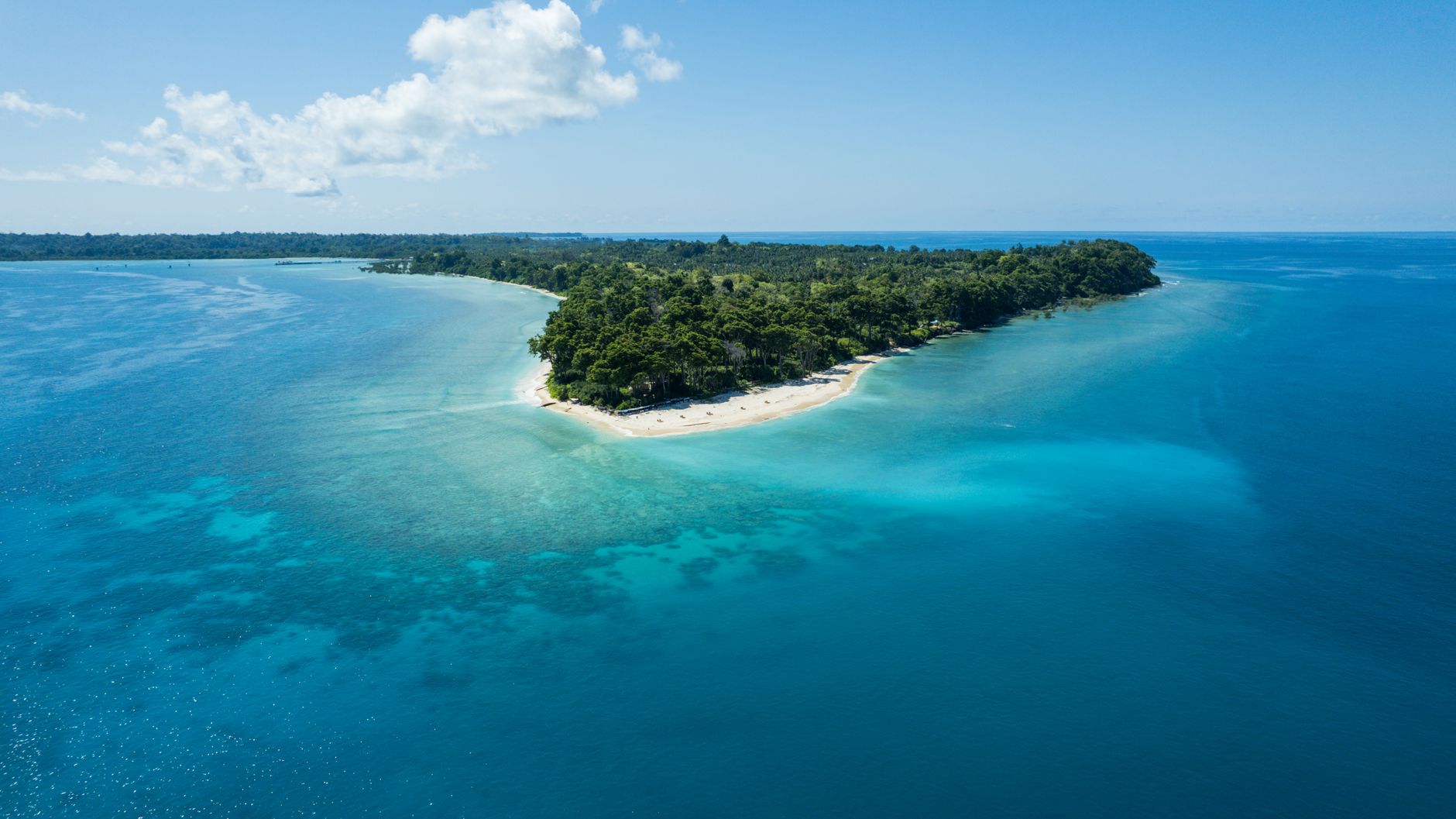
In the midst of a growing environmental debate, Environment Minister Bhupender Yadav has robustly defended the clearance granted to the Great Nicobar Island Project. He pointed to a 'multi-tiered appraisal process' that relied not just on single-season surveys, but was supplemented with historical data and validated by the National Green Tribunal (NGT).
His remarks come as a counter to Congress MP Jairam Ramesh, who has been vociferous in his criticism, arguing the project poses significant ecological threats and that the environmental impact assessments (EIA) were 'grossly inadequate'. Ramesh's concerns are bolstered by admissions from the Wildlife Institute of India, which conceded its lack of expertise regarding the local leatherback turtle population, a critical ecological component of the region.
Scientific Backing or Environmental Blunder?
The minister's defence hinges on the credibility of the scientific backing he claims supports the project. However, Ramesh's critique suggests that the minister's reliance on historical data may not suffice in addressing the dynamic environmental changes the region faces. The former environment minister has pointed out that ISRO's Space Applications Centre has identified significant erosion risks along Galathea Bay.
Yadav, however, remains firm. 'The clearance is based on rigorous science and long-term data,' he stated, adding that the decision was not taken lightly and included consultation with various scientific bodies.
Commercial Interests vs. Conservation
The Great Nicobar Project, described by critics as predominantly a commercial venture, aims to develop infrastructure on the island, including a transshipment port, airport, and power plant. Proponents argue it will bring economic prosperity and strategic benefits. Yet, opponents fear irreversible ecological damage, loss of biodiversity, and displacement of indigenous communities.
The debate underscores a broader tension between development and conservation, a dilemma not unique to India. As the government pushes for modernisation, balancing ecological integrity with economic growth remains a contentious and complex challenge.
For now, the project proceeds, but not without the watchful eyes of environmentalists and a wary public, both monitoring its impact on one of the world's most biodiverse and fragile ecosystems.