Environmental Hurdles Loom Over Chenab-Beas Tunnel Project
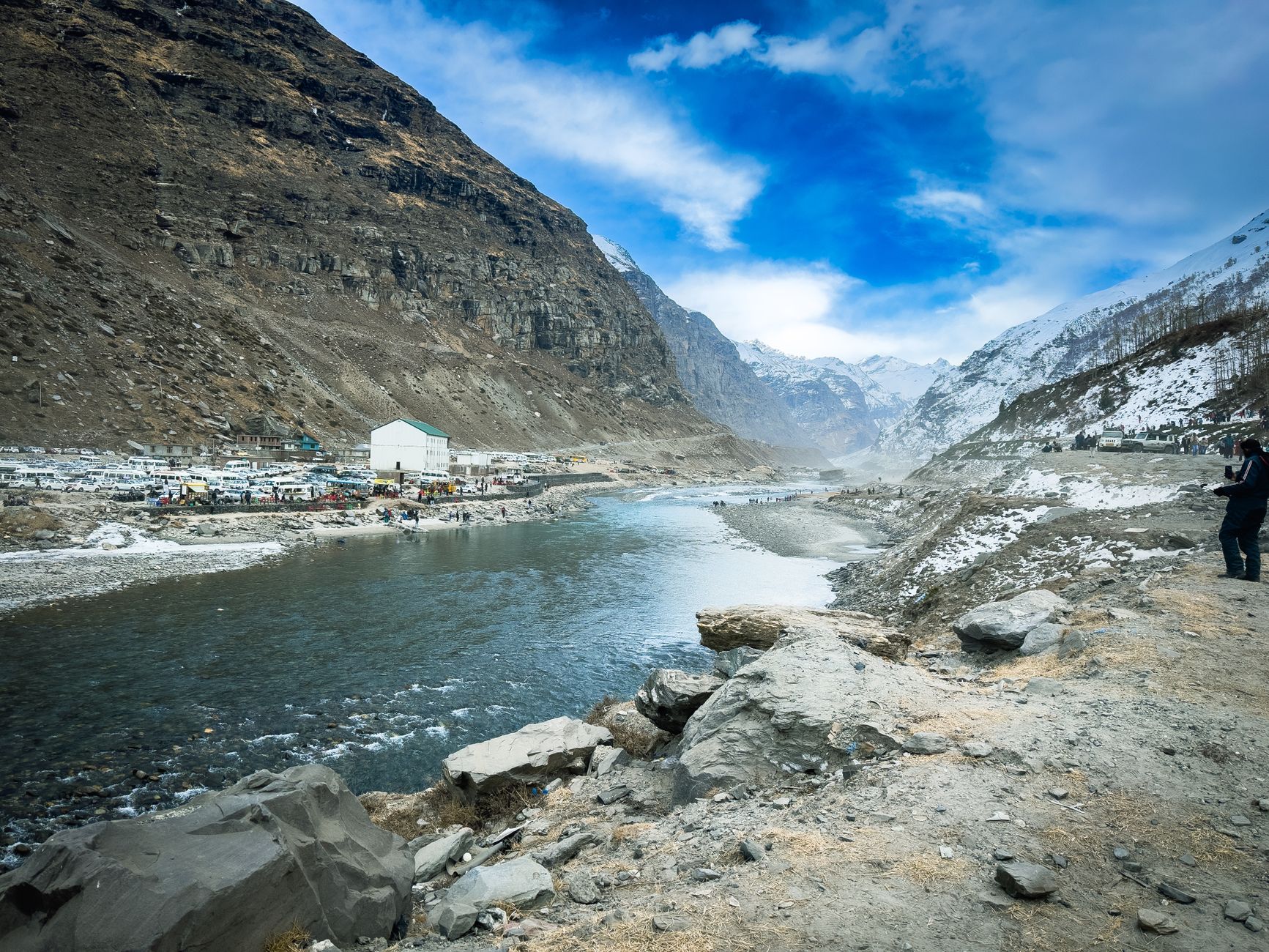
Channelling surplus waters from the Chenab into the Beas basin, the Chenab-Beas link tunnel project promises a deluge of hydropower and water-security benefits. Yet, as with many ambitious undertakings, it also heralds a tempest of environmental challenges.
The project, estimated at a cost of Rs 2,356 crore, has kindled a firestorm of opposition from environmental groups and local communities. The tunnel, part of India's strategic redirection of water resources in the aftermath of the Indus Waters Treaty suspension, aims to tap the untapped waters of the Chenab, but at what cost?
Local Resistance
In the picturesque Lahaul Valley, where the Chenab River winds through, resistance is brewing. Boards in Tholang village unequivocally state their opposition, demanding no surveys or tampering with the river without Gram Sabha consent. Environmentalists argue that the project threatens to disrupt the delicate ecosystems that have coexisted for centuries, potentially impacting biodiversity and local agriculture.
The Save Lahaul Society, among others, has been vocal in its demands for the project to be shelved. They argue that the risks far outweigh the benefits, especially for the tribal communities who are already disproportionately affected by climate change.
Ecological Concerns
Beyond local opposition, the ecological implications of the tunnel project are significant. Experts warn of potential landslides, water scarcity downstream, and the alteration of natural habitats. The Himalayas, already vulnerable to climate change, could face accelerated degradation.
Calls for a shift in focus are growing louder. Environmentalists urge the government to invest in climate adaptation measures, early warning systems, and sustainable water management practices instead of massive infrastructure projects.
As the Centre pushes forward with a four-year timeline for completion, the debate intensifies. The Chenab-Beas link tunnel, while a potential boon for energy and water security, must reckon with the environmental costs it imposes. In a region where nature's balance is fragile, the stakes could not be higher.