Erode Grievances Camp: Education Concerns Take Centre Stage
In a bustling corner of Erode, the district collector's office bustled with activity as 35 petitions were submitted during a higher education grievances camp. The event, aimed at addressing educational concerns, shone a spotlight on the enduring issues within the sector.
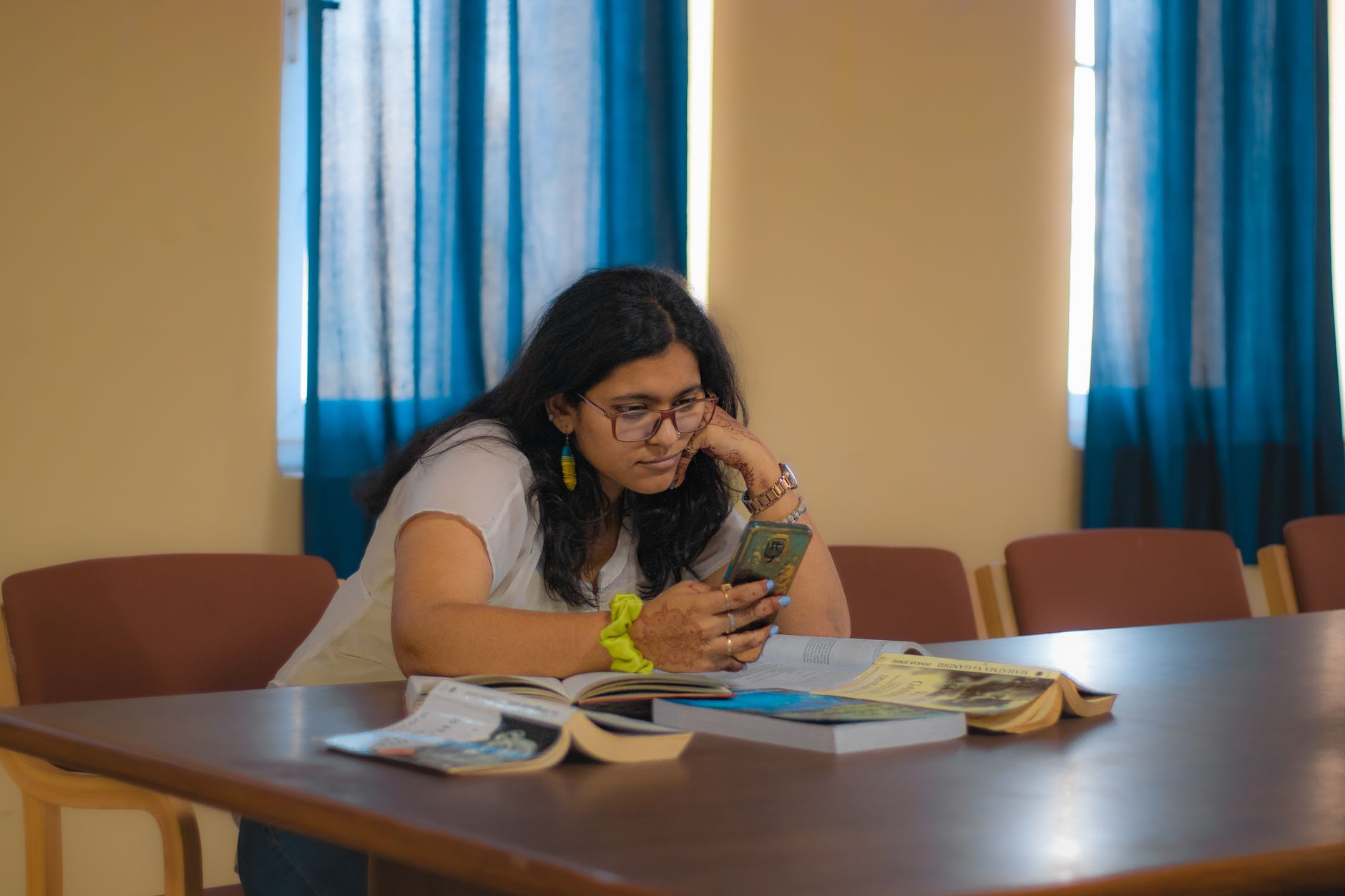
Petitions ranged from complaints about inadequate infrastructure to grievances over delayed scholarship payments. One petitioner, a college student, lamented the lack of basic facilities in her institution, highlighting the absence of functional laboratories and libraries. 'How are we expected to compete with the outside world when we lack the tools to learn?' she questioned.
Another concern raised was the bureaucratic red tape that often hinders timely scholarship disbursements. Many students, reliant on these funds, find themselves in precarious financial situations due to administrative lags.
A Broader Issue
The grievances camp serves as a microcosm of larger systemic problems affecting higher education in India. While the government has made strides in expanding access to education, quality remains a significant hurdle. With increasing student enrolment, many institutions are struggling to maintain standards due to insufficient funding and resources.
Moreover, the focus on digital education during the pandemic has revealed stark inequalities. Students from rural areas, lacking internet access and digital devices, are at a disadvantage, further widening the education gap.
Steps Towards Resolution
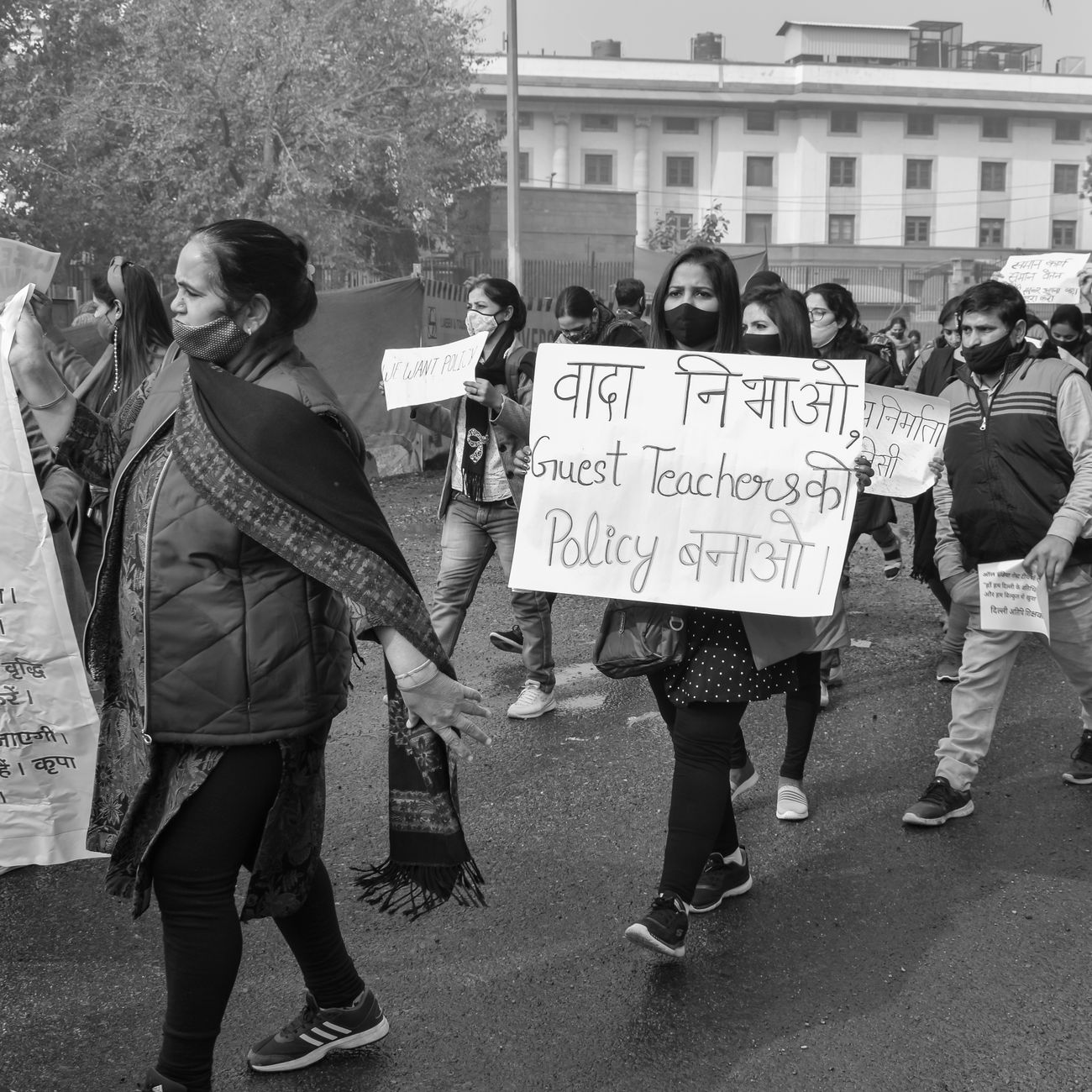
Initiatives like the grievances camp are crucial in bridging the gap between policy and practice. They provide a platform for students and educators to voice their concerns directly to those in positions of authority. While receiving petitions is a step in the right direction, the real challenge lies in effectively addressing these grievances.
For Erode, and indeed the rest of the country, the path forward involves not only listening to these concerns but also implementing tangible changes. By prioritising funding, improving infrastructure, and streamlining administrative processes, the educational landscape can be transformed for the better.
The collector's engagement with the petitions is a promising sign. However, the efficacy of such camps will ultimately be measured by the actions taken in response. The students of Erode, and elsewhere, deserve nothing less than a robust and equitable education system.