Ethiopia's Environmental Challenges and Progress in 2026
In the heart of the Horn of Africa, Ethiopia stands at a crossroads of environmental evolution. As of June 2026, the nation's environmental profile reveals a complex tapestry of challenges and advancements. The journey towards sustainability is fraught with difficulties, yet marked by significant progress.
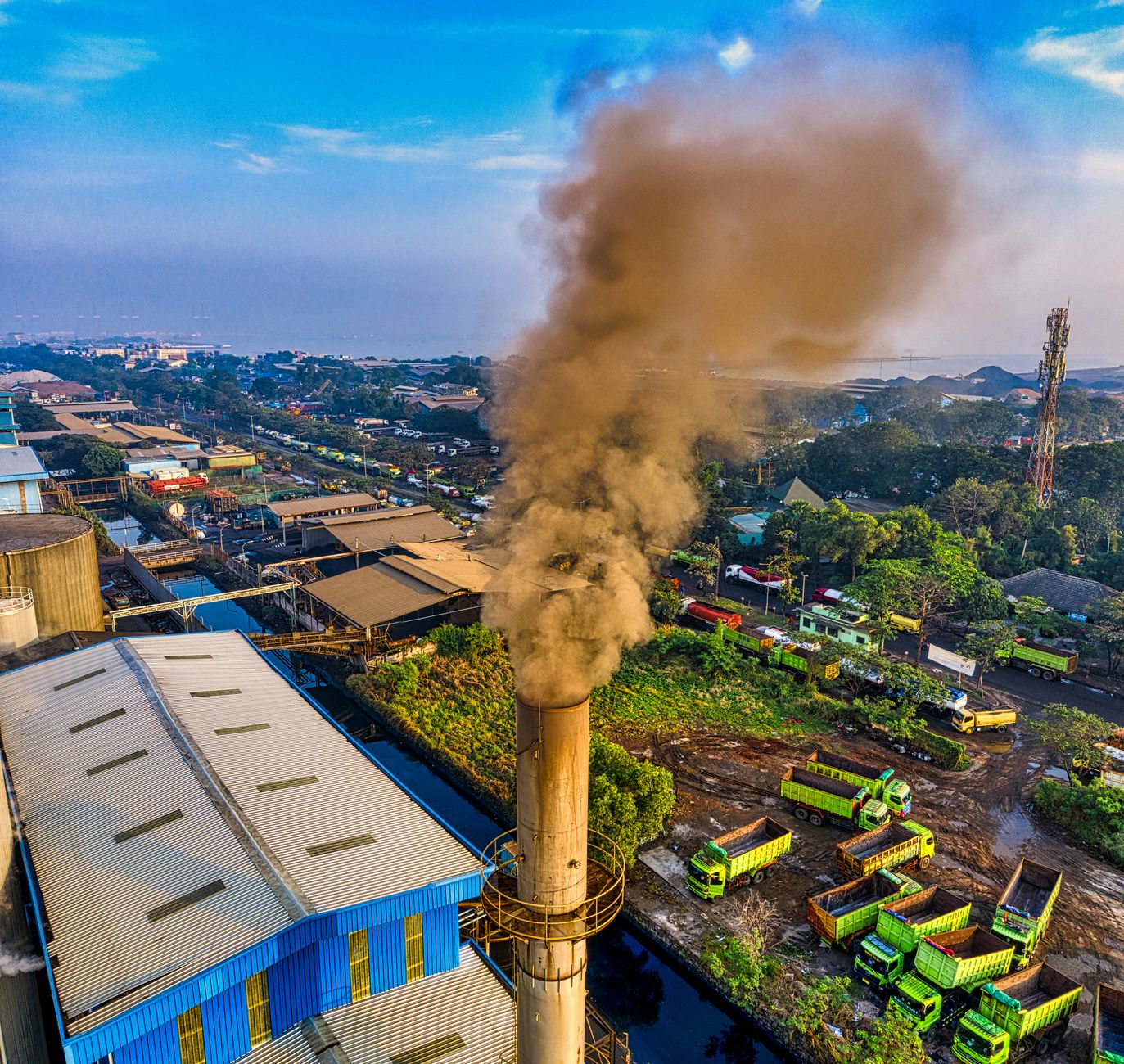
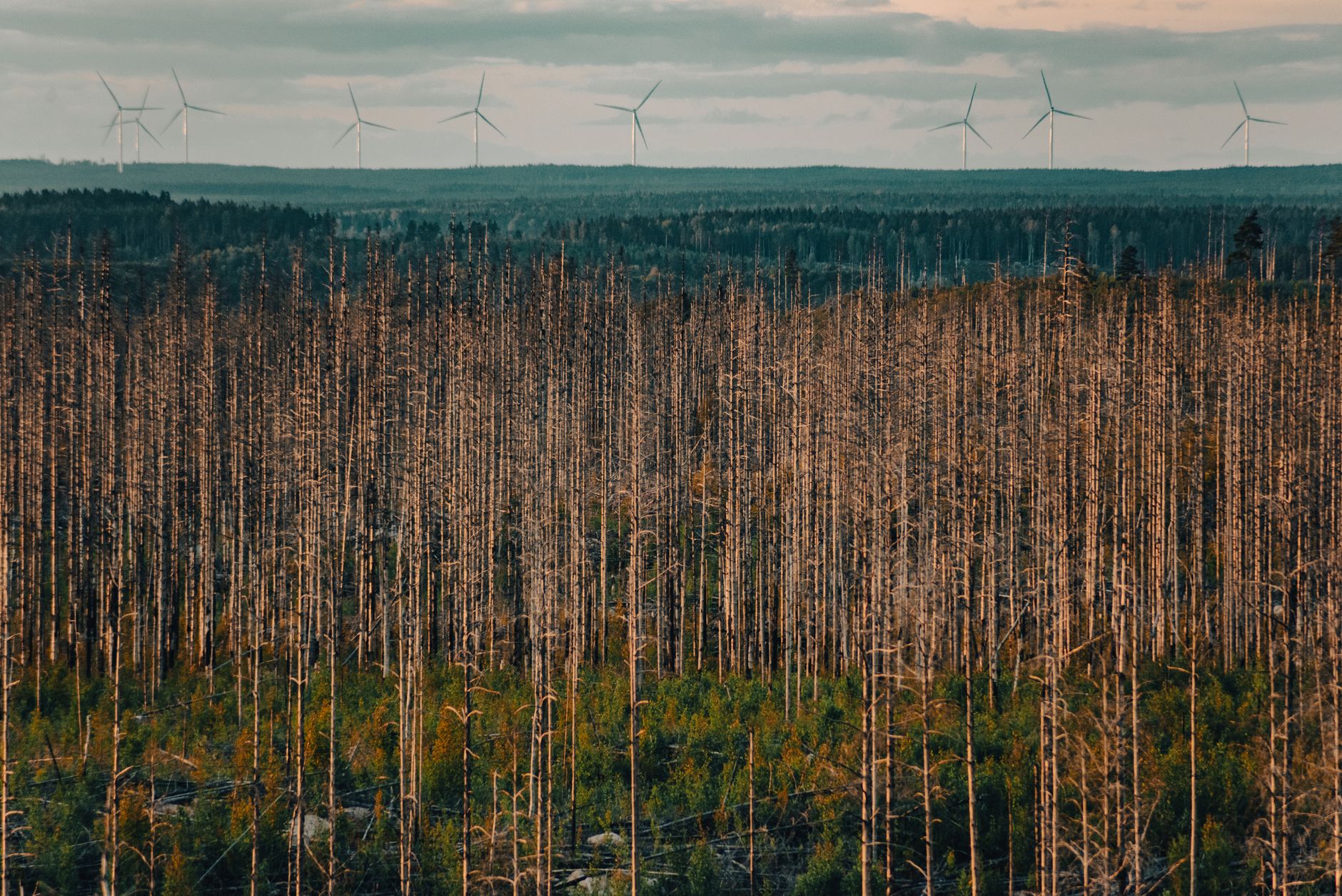
With a burgeoning population and rapid urbanisation, Ethiopia faces pressing environmental issues. Deforestation remains a critical concern, with vast swathes of forested land succumbing to agricultural expansion and urban development. This loss of green cover exacerbates soil erosion and disrupts ecological balance, posing a threat to biodiversity.
Water scarcity is another formidable challenge. As the country strives to meet the demands of its growing population, over-reliance on limited water resources has led to depletion and pollution, impacting both human and wildlife habitats.
A Glimmer of Hope
Despite these challenges, Ethiopia is making notable strides in renewable energy. The government has invested heavily in hydroelectric projects, positioning the nation as a leader in green energy on the continent. The Grand Ethiopian Renaissance Dam (GERD) stands as a testament to this commitment, promising to supply electricity to millions while reducing reliance on fossil fuels.
Community-led conservation efforts are gaining momentum across the country. Local communities are increasingly involved in sustainable farming practices, reforestation initiatives, and wildlife conservation projects. These grassroots movements are not only protecting the environment but also empowering local populations, fostering a sense of stewardship and self-reliance.
The Road Ahead
While the path to environmental sustainability in Ethiopia is challenging, it is not insurmountable. Continued investment in renewable energy and community engagement remains crucial. The international community also plays a vital role, offering support and collaboration to bolster Ethiopia's efforts.
As Ethiopia navigates its environmental challenges, the lessons learned could serve as a blueprint for other nations facing similar issues. The resilience and innovation demonstrated by its people are indeed promising, suggesting that a sustainable future is not just a dream, but an achievable reality.