European Bathing Waters: A Wave of Improvement by 2025
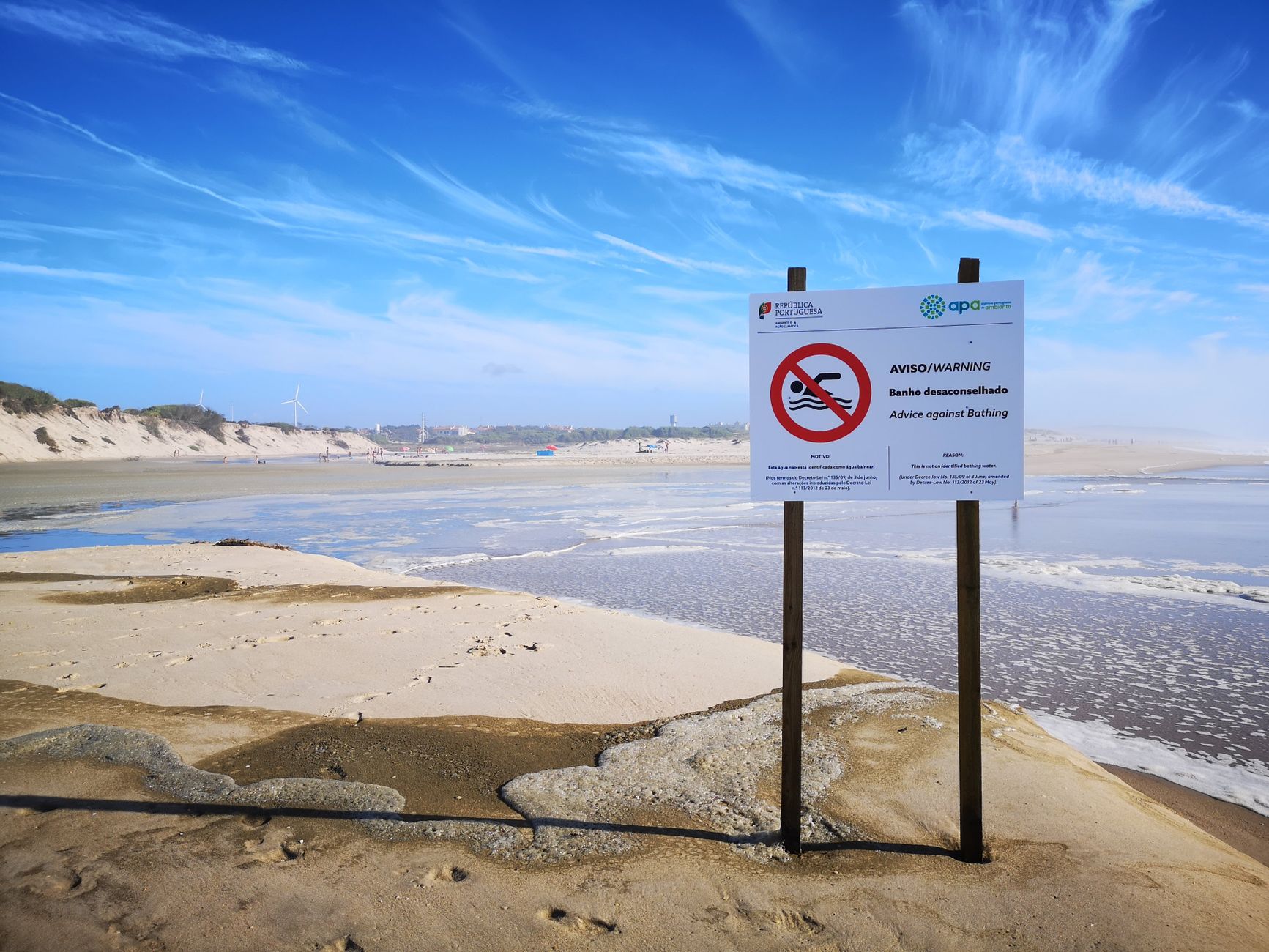
As Europeans took to the beaches in 2025, they did so with an added sense of assurance. The latest report from the European Environment Agency (EEA) painted a promising picture of the continent's bathing waters. Coastal areas, in particular, excelled, with 88% of sites achieving the 'excellent' rating, a testament to improvements in water quality management.
The Bathing Water Quality Directive, established in 2006, has been instrumental in this transformation. By regulating water quality across some 22,000 sites within the EU, it has helped significantly reduce pollution levels. Coastal waters, benefiting from natural self-purification, have outperformed their inland counterparts, where only 78% of sites met the highest standards.
Wastewater Treatment: The Game Changer
Key to this success has been the enhancement of wastewater treatment processes. These advancements have curtailed the influx of pollutants, safeguarding the health of both humans and ecosystems. However, the spectre of climate change looms large, threatening to undermine these gains with more erratic weather patterns and potential increases in pollution levels.
In Finland, for example, while the majority of its 303 public beaches reported excellent water quality, the country remains vigilant against potential environmental setbacks. The data collected from both EU and non-EU countries, including Albania and Switzerland, underscores a shared commitment to maintaining high standards.
A Call to Sustain Progress
Despite these positive trends, the journey is far from over. The EEA emphasises the need for ongoing vigilance and innovation to adapt to the challenges posed by climate change. As policymakers and communities work together, the hope is to not only maintain but enhance these standards, ensuring that Europe's beaches remain safe and enjoyable for generations to come.