Europe's Bathing Waters Shine Bright in 2025 Report
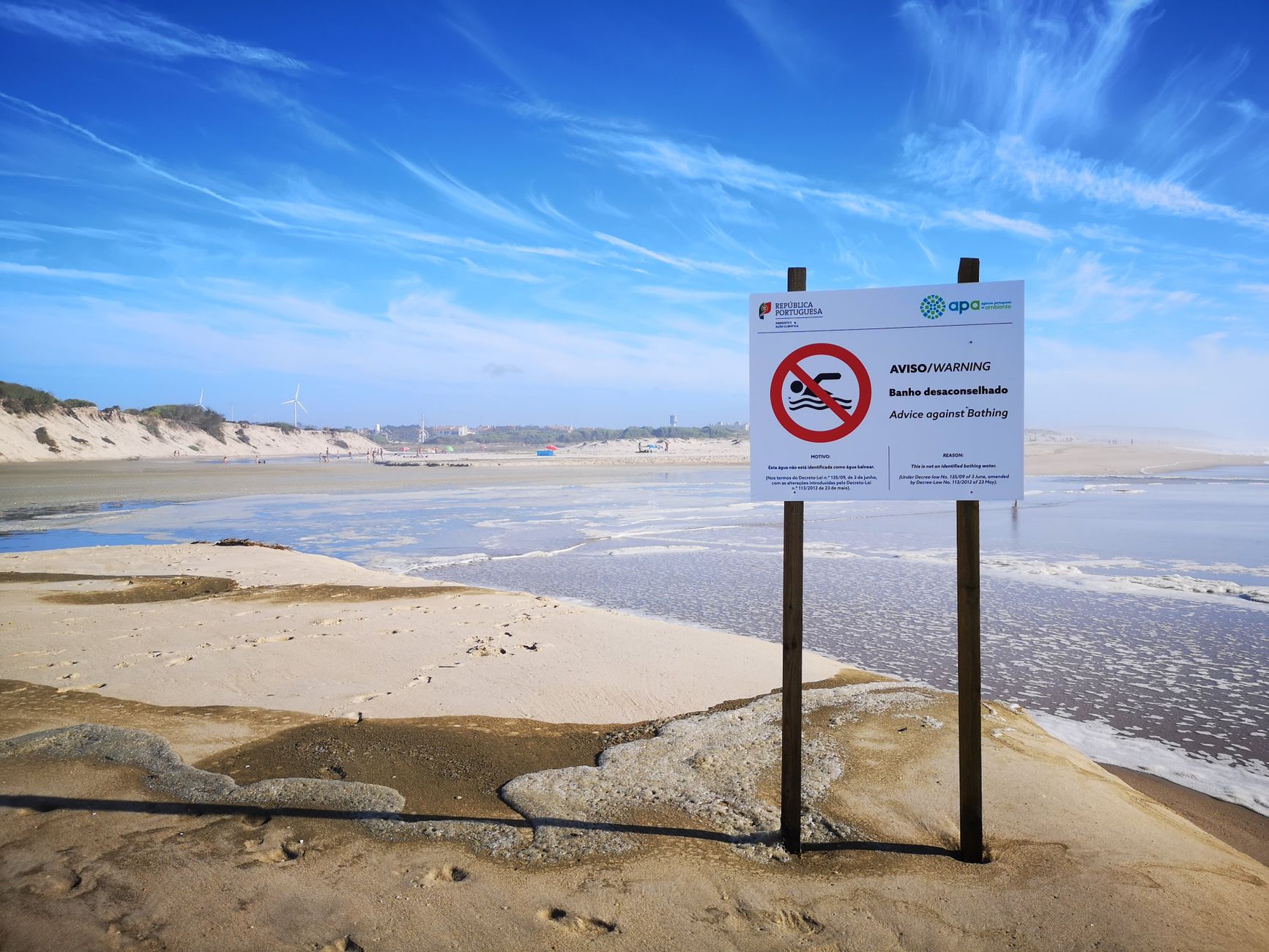
Amidst the sun-drenched coastlines and serene lakes of Europe, a notable triumph in environmental management has emerged. The European Environment Agency's 2025 report on bathing water quality has revealed that an impressive 88% of coastal bathing waters have achieved an 'excellent' rating. This is a testament to the enduring effectiveness of the Bathing Water Quality Directive, first introduced in 2006.
The Directive, which governs over 22,000 bathing sites across the EU, Albania, and Switzerland, has seen 96% of these sites meet its rigorous standards. The report highlights that coastal waters have consistently outperformed their inland counterparts, with 88% of coastal sites attaining the top rating compared to 78% of freshwater locations.
Since its inception, the Directive has played a pivotal role in elevating the quality of Europe's bathing waters. Its comprehensive framework for monitoring and managing water quality has ensured that the continent's bathing sites remain both safe and enjoyable for millions of residents and tourists alike.
The Resilient Coastlines
Coastal waters have traditionally enjoyed a natural advantage, benefiting from the vast, self-cleansing properties of the sea. However, the concerted efforts of local authorities and environmental agencies have been crucial in maintaining these high standards. From regular monitoring to swift remedial actions when needed, the vigilance has paid off.
Meanwhile, freshwater sites have also shown commendable progress. Despite the challenges posed by smaller water bodies, which can be more susceptible to pollution, innovative cleaning and management strategies have helped close the gap in quality between coastal and inland waters.
The Road Ahead
The success of the Bathing Water Quality Directive is not just a boon for public health and tourism; it is also a testament to the EU's commitment to environmental sustainability. As climate change continues to pose new challenges, maintaining these standards will require ongoing vigilance and adaptation.
As Europe moves forward, the lessons learned from the past two decades of water quality management will be invaluable. The challenges are many, but the determination to keep Europe’s waters pristine remains steadfast.