Europe's Sizzling Summer Signals Dire Climate Warning
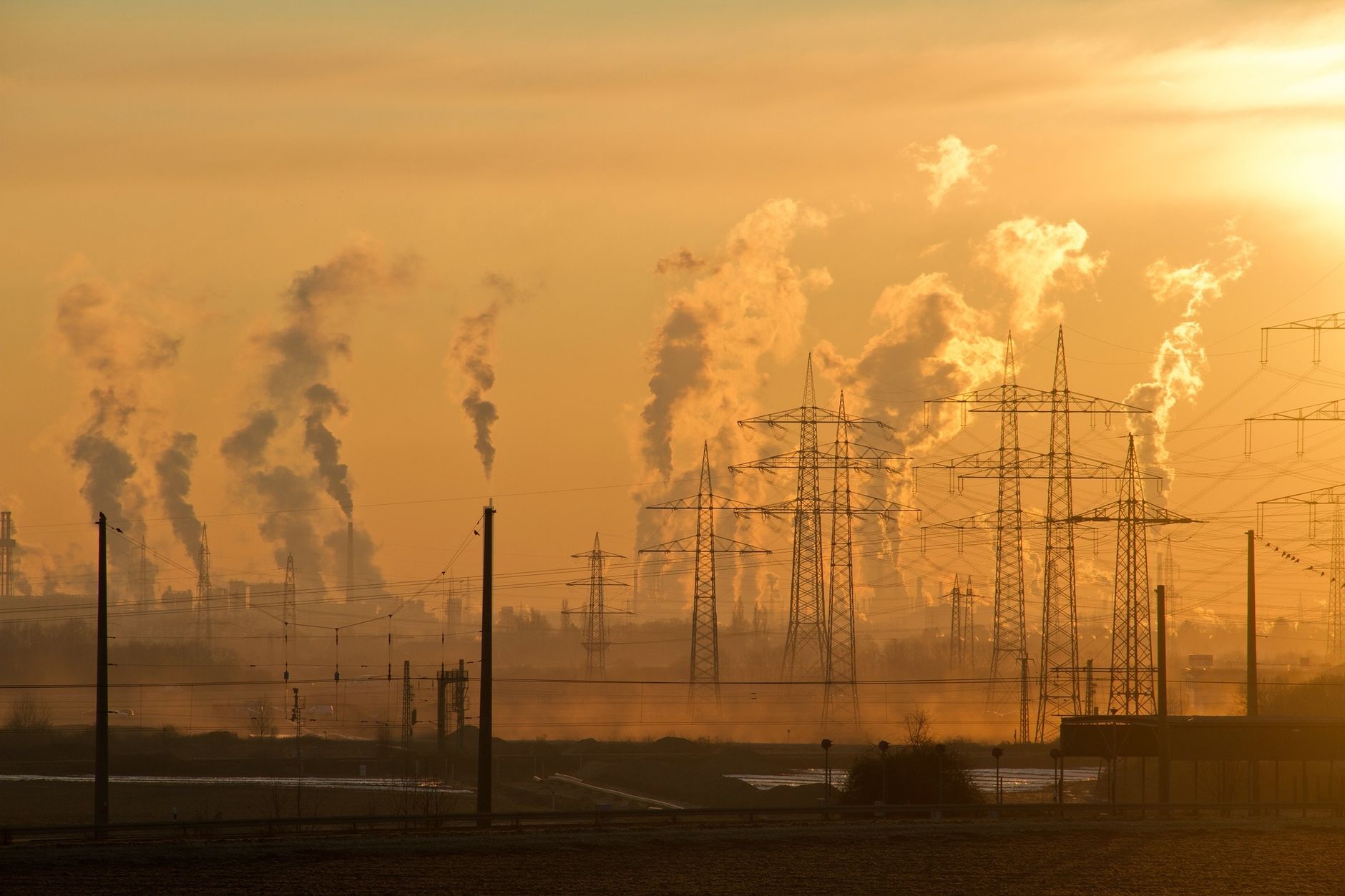
As temperatures soar across Europe, the continent finds itself in the throes of an unprecedented heatwave, with scientists unequivocally pointing the finger at climate change. This summer, temperatures have reached record highs, a phenomenon experts say would be impossible without the relentless burn of fossil fuels driving global warming.
Europe's current plight is not merely an anomaly but part of a worrying trend. The continent is warming faster than any other region on the planet, and the implications of this are beginning to manifest starkly. Recent analysis by the World Weather Attribution group indicates that such extreme heat events are now becoming a norm, thanks to human-induced climate change.
In the past, such temperatures might have been dismissed as freak occurrences. However, the science is clear: humans have altered the climate system, and Europe is paying the price. The relentless heat is not just uncomfortable; it's deadly. A study examining the summer of 2022 revealed over 60,000 heat-related deaths, underscoring the severe human cost of these climatic shifts.
The Health Toll
The health implications of this heatwave are already apparent. Hospitals are bracing for a surge in heat-related illnesses, with vulnerable populations such as the elderly and those with pre-existing health conditions being at particular risk. Moreover, the economic ramifications are substantial, with agriculture and infrastructure both taking a significant hit.
Governments across the continent are being urged to act decisively. Mitigation and adaptation strategies need to be prioritised to protect populations and economies from the worsening impacts of climate change. The science leaves little room for doubt: urgent action is imperative to alter the course.
A Call to Action
With the mercury rising, the message from scientists is clear — this is a clarion call for global action. As Europe swelters, the need for comprehensive climate policies and international cooperation becomes ever more critical. Without such measures, the prospect of enduring yet another 'worst-ever' heatwave in the near future becomes not a question of if, but when.