Fragmented School System Fuelling Dropout Crisis: NITI Aayog
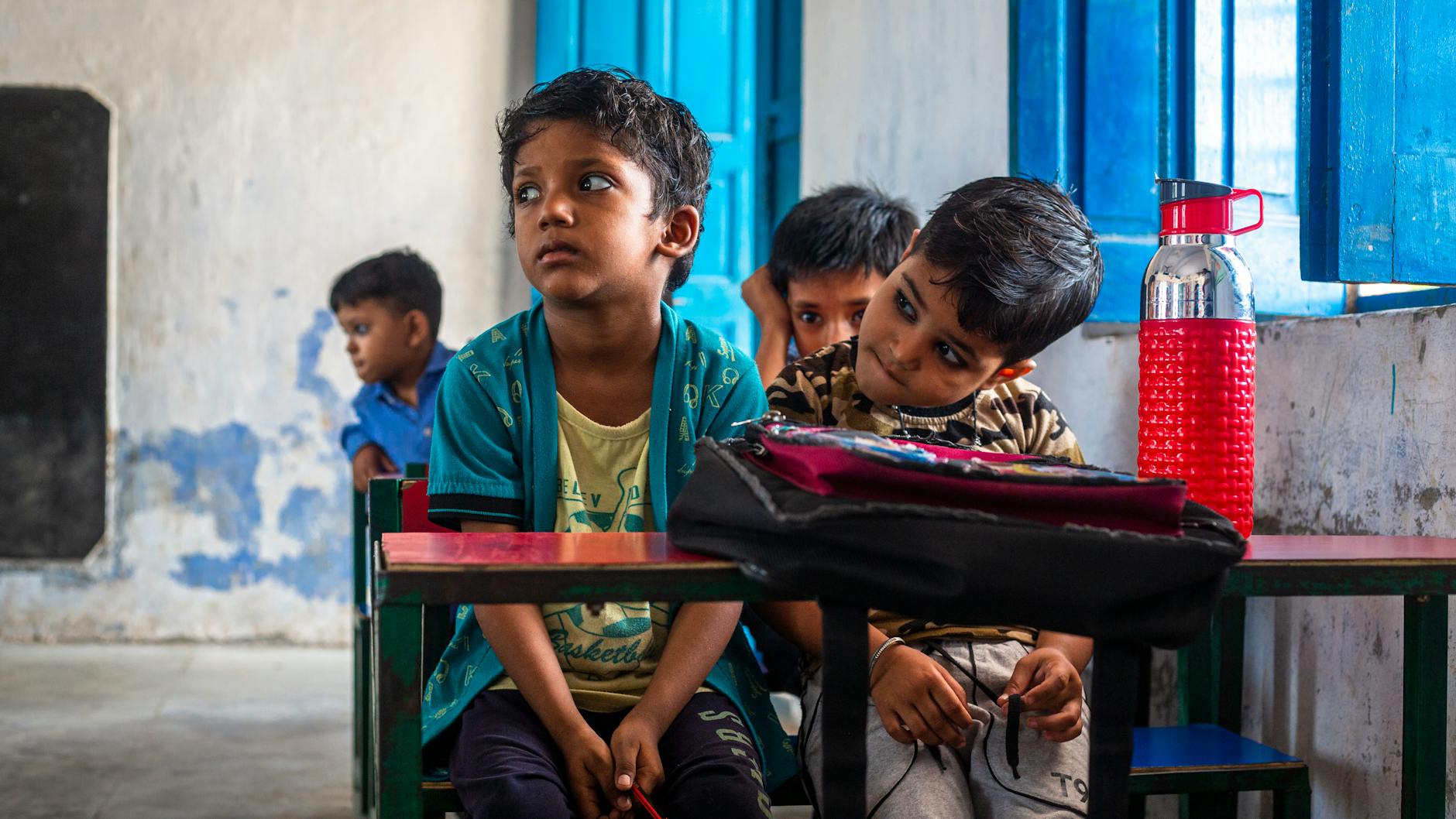
In a report that lays bare the challenges facing India's educational system, the NITI Aayog has revealed a concerning statistic: four out of every ten children fail to complete higher secondary education. This startling figure underscores the systemic issues within the country's schooling infrastructure, where just 5.4% of schools provide an uninterrupted educational journey from Grade 1 to 12.
The report highlights the fragmented nature of India's schooling system as a central culprit. Frequent transitions between schools, driven by the lack of institutions offering a continuous educational path, disrupt students' academic journeys. This is particularly evident at the secondary level, where dropout rates are at their highest.
While India has made notable strides in improving access to education, ensuring that children from diverse backgrounds can enter the school system, the continuity and quality of education remain uneven. The report frames these issues across three critical dimensions: access, equity, and quality. Although access has seen significant progress, equity and quality lag behind.
Why Continuity Matters
Continuity in education is crucial not only for academic achievement but also for personal development. Disruptions caused by changing schools can lead to gaps in learning, affect social integration, and diminish students' motivation to pursue education beyond a certain level. For many, these transitions are not merely logistical challenges but emotional and psychological hurdles as well.
The report suggests that the government's focus should pivot towards creating more schools that offer a full educational trajectory from primary to higher secondary levels. This could potentially curb the dropout rate, providing students with a stable and consistent learning environment.
The Road Ahead
In addressing these challenges, policy-makers face the dual task of expanding the reach of quality education and ensuring its continuity. Investments in teacher training, infrastructure, and curriculum development are imperative to bridge the current gaps. Moreover, community involvement and awareness initiatives are essential to keep students engaged and motivated throughout their educational journey.
As India aspires to enhance its educational landscape, the findings from the NITI Aayog report serve as a clarion call for systemic reform. The onus is on stakeholders at every level to collaborate and innovate, ensuring that every child not only enters but also completes their educational course.