Global Elite's Consumption Inflicts Trillions in Environmental Damage
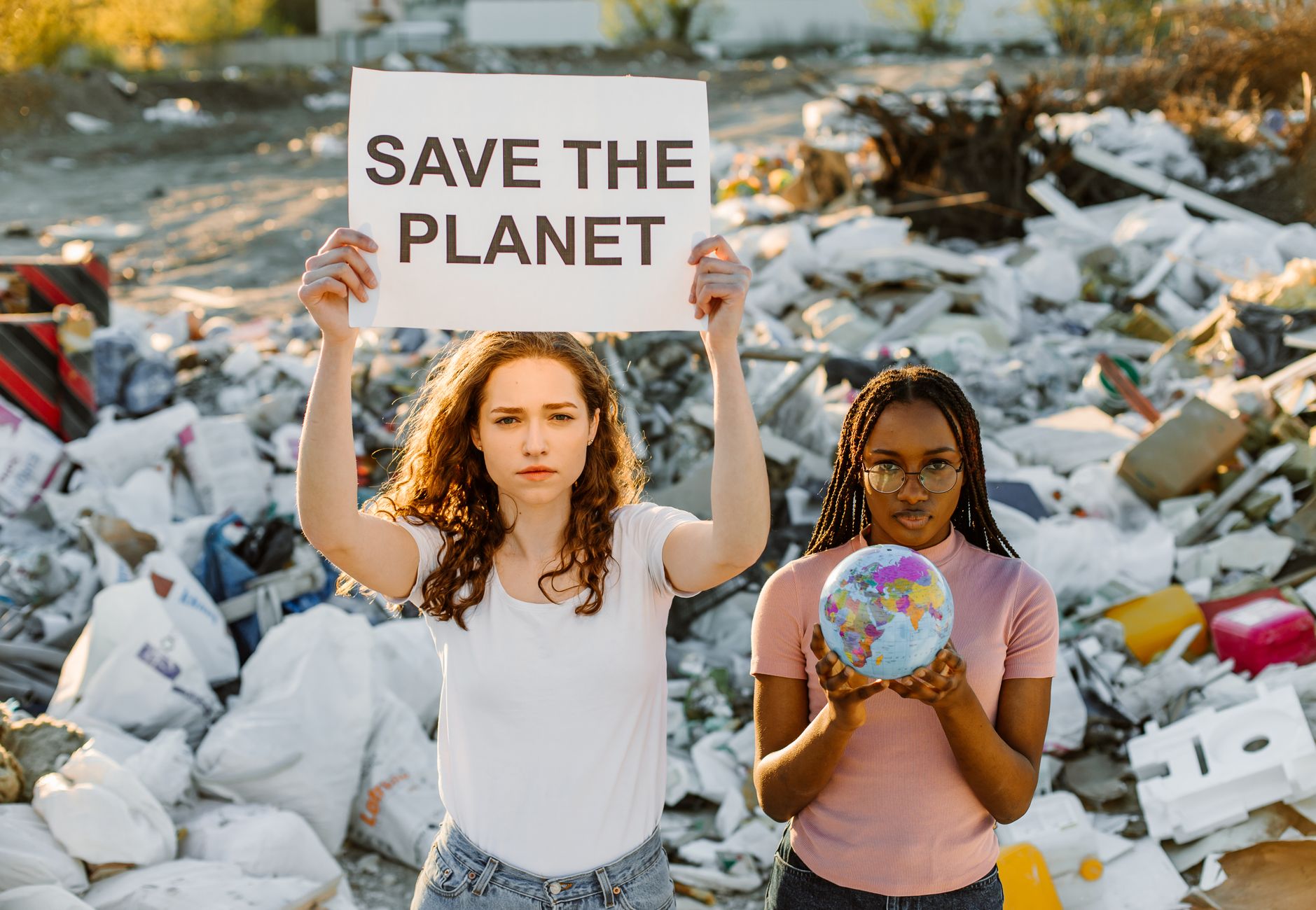
The global elite, comprising the top 10% of consumers, are inflicting an alarming level of environmental damage, a new study published in Nature Communications Sustainability reveals. This group, predominantly residing in the United States and European Union, is responsible for ecological harm costing between USD 1.7 trillion to USD 5.7 trillion annually.
While the scale of damage is staggering, the individual cost in the United States is particularly eye-opening. Here, the environmental impact per person ranges from USD 19,000 to USD 63,000, equating to a significant portion of their income and wealth. This highlights the disproportionate ecological footprint of affluent lifestyles.
Professor John Doe, a lead researcher, notes, "The data underscores the urgent need for systemic changes in consumption patterns among the wealthiest, who are disconnected from the environmental consequences of their lifestyles."
Global Inequality in Consumption
The study's findings bring to light a stark inequality in global consumption. While the wealthiest 10% enjoy the lion's share of resources, the environmental cost is borne disproportionately by the planet and its most vulnerable inhabitants. The report calls for international cooperation to address these imbalances and promote sustainable consumption practices.
Policy experts suggest that measures such as carbon taxes and stricter regulations on luxury goods could help curb the environmental damage caused by high consumption. However, such proposals are often met with resistance from those who benefit most from the status quo.
Time for Action
As the world grapples with climate change and biodiversity loss, the role of the affluent in exacerbating these crises cannot be ignored. The study serves as a wake-up call to policymakers and citizens alike, urging a reevaluation of priorities and a commitment to environmental stewardship.
Ultimately, addressing this issue will require a collective effort, with the wealthiest consumers taking the lead in adopting more sustainable practices. The future of the planet hinges on our ability to balance consumption with conservation.