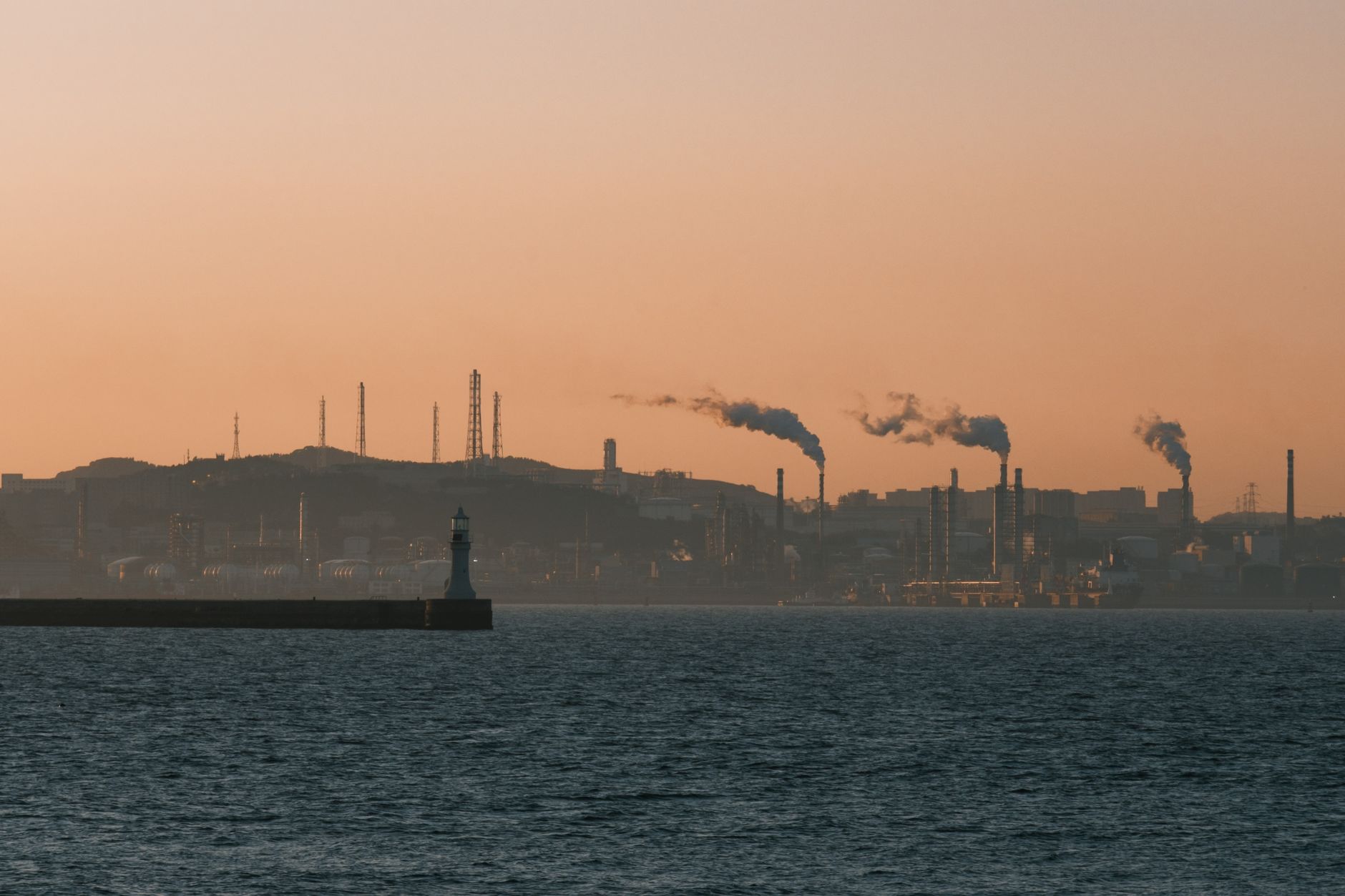
Google's Data Centre Sparks Environmental Concerns in Visakhapatnam
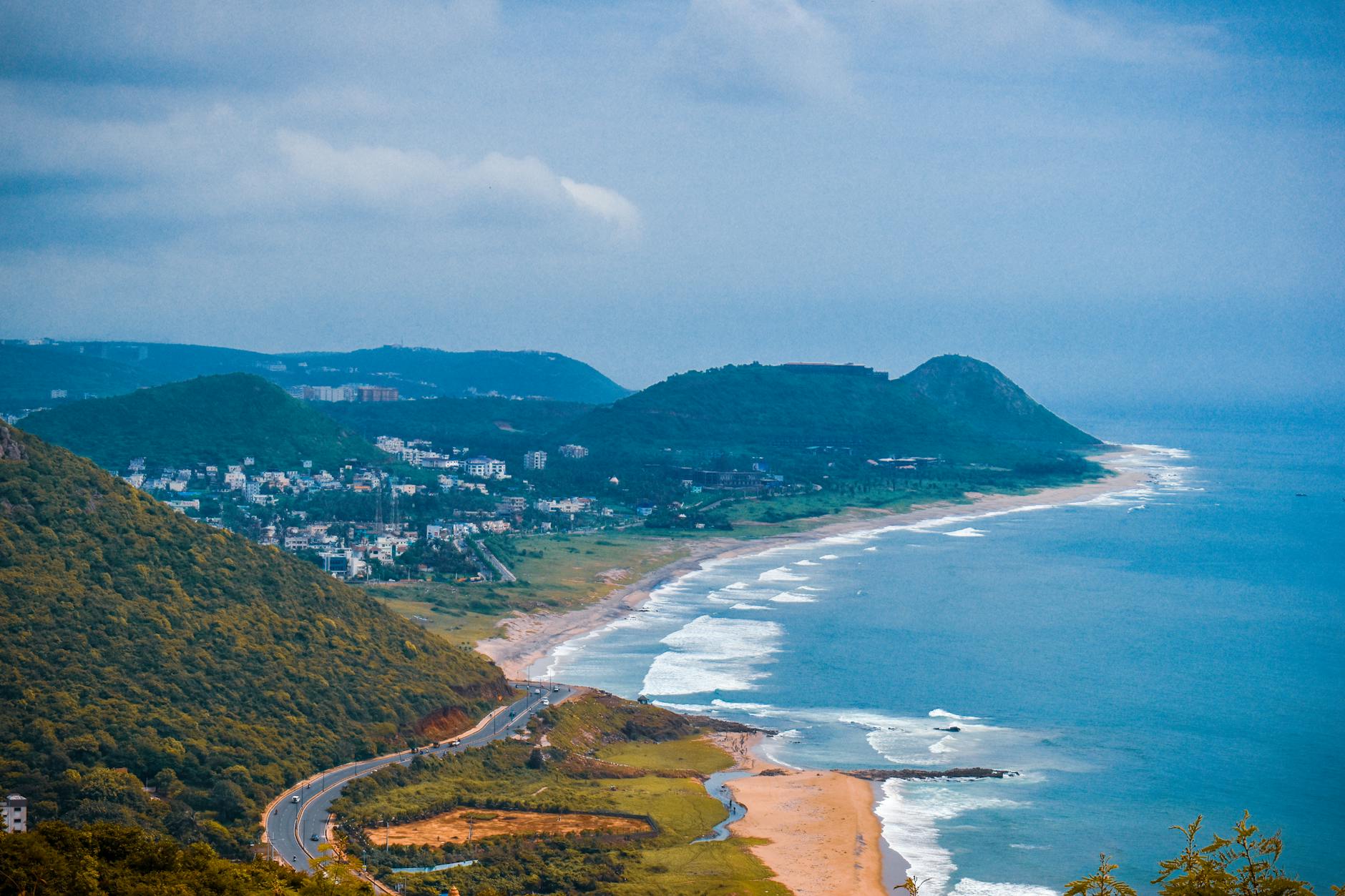
In the bustling port city of Visakhapatnam, Google's ambitious plans for a substantial AI data centre have ignited a fierce debate. While the economic benefits are undeniable, with promises of a ₹10,000 crore revenue boost for Andhra Pradesh, environmentalists fear the project could come at a significant cost.
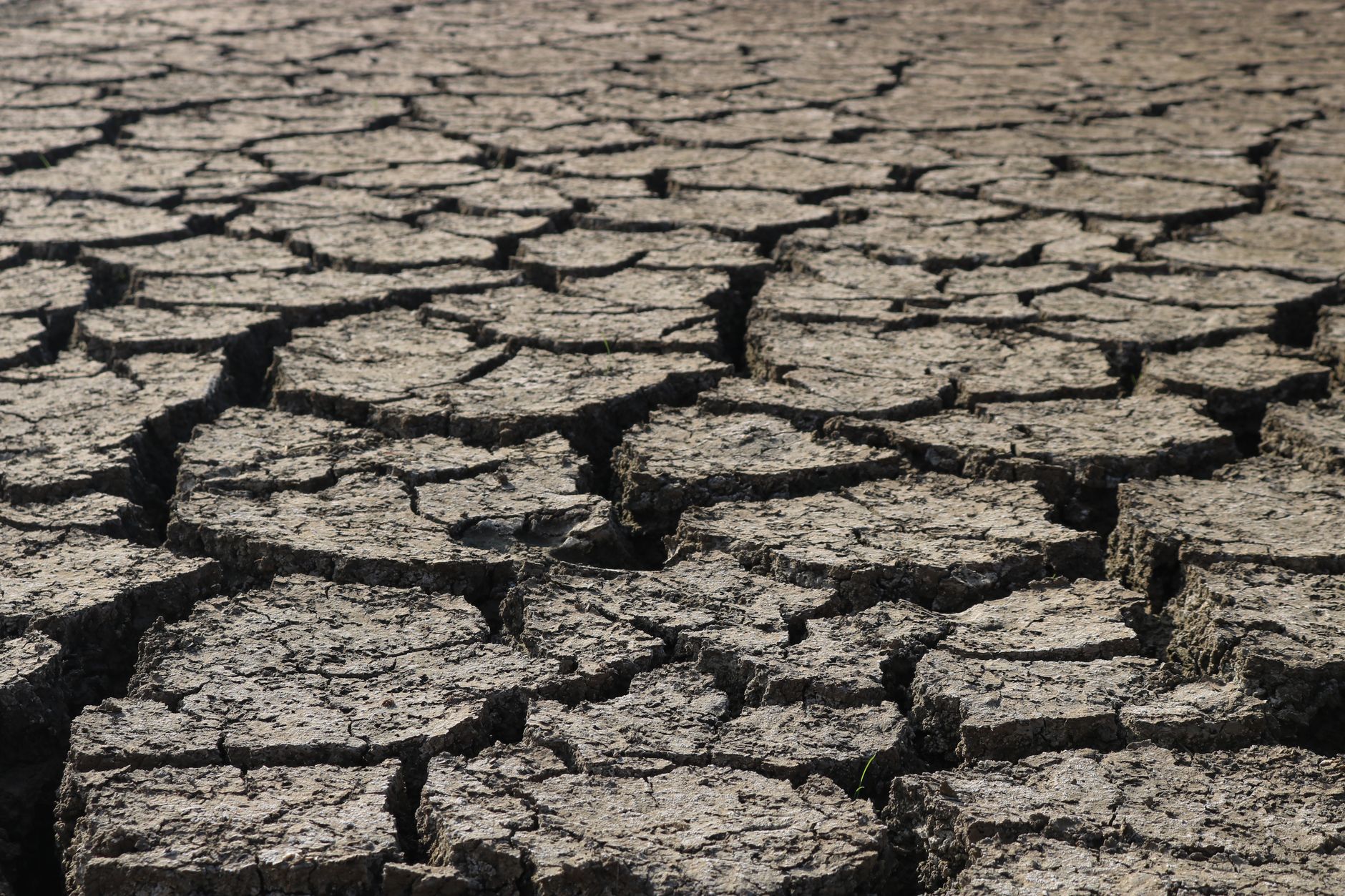
The data centre, projected to have an installed capacity of 1 GW, has raised alarms over its potential impact on local resources. Chief among the concerns is water consumption. In a region already grappling with water scarcity, the fear is that the data centre could exacerbate these issues, diverting precious resources from the community.
Adding fuel to the fire, Instagram has restricted posts related to the data centre, sparking a fresh debate on digital censorship. Environmental Reporting Collective's video on the subject was among the content affected. Critics argue that such restrictions stifle important discussions about the environmental and social implications of global tech expansions.
Google's development, while positioned as a leap towards digital progress, highlights a broader dilemma faced by developing nations: the balancing act between technological advancement and sustainable development. As countries strive to stay competitive in the digital age, the environmental and social costs of such projects become a growing concern.
Meanwhile, local authorities have sanctioned 550 MW for Sify's first AI data centre, also in Visakhapatnam, underscoring the region's emerging role as a tech hub. Yet, this rapid development raises questions about the long-term sustainability of such ventures.
As the debate continues, the spotlight remains on whether the economic gains justify the environmental trade-offs. With the world watching, Visakhapatnam's unfolding story serves as a microcosm of the global conversation about development, resource management, and the digital future.