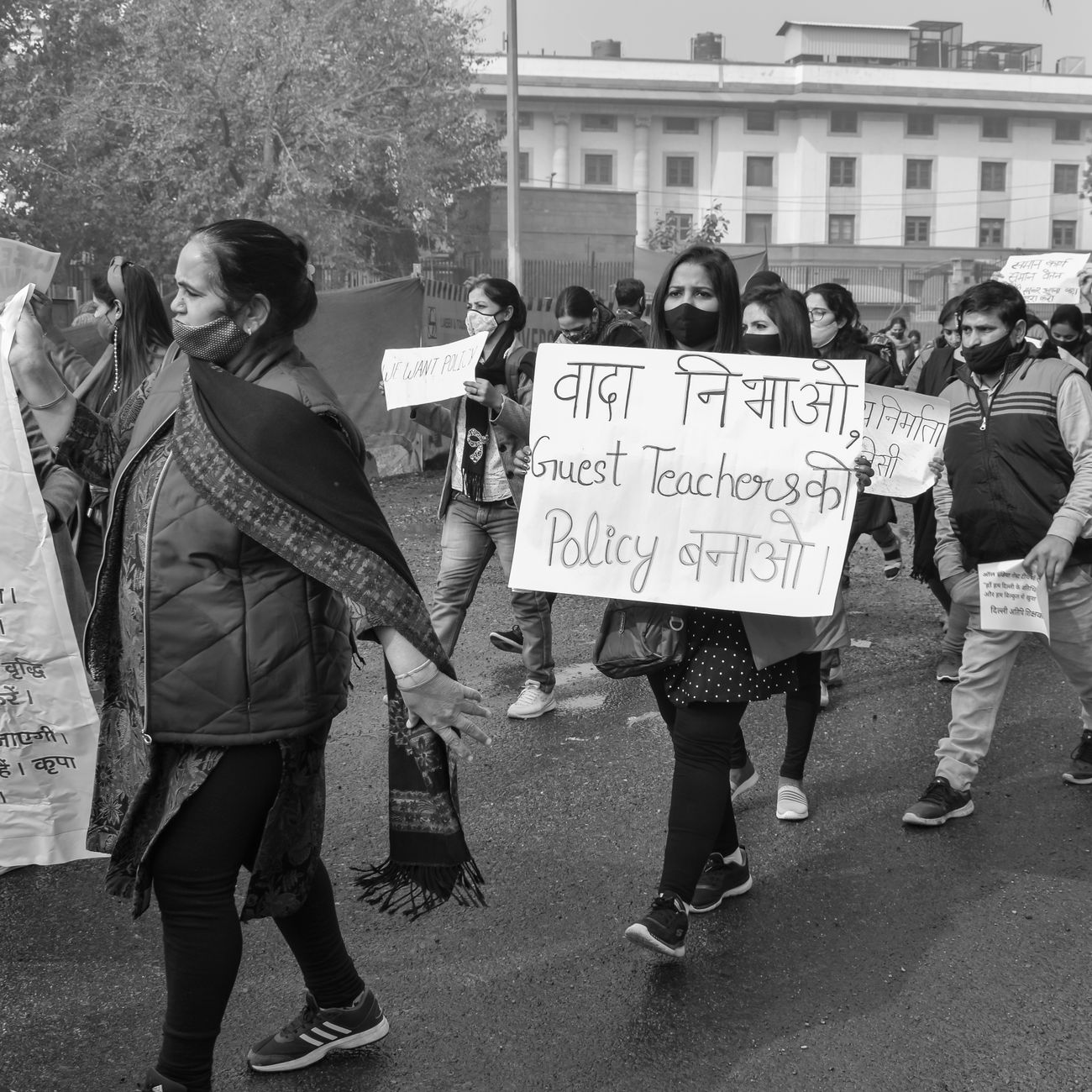
Government Plans to Implement Comprehensive Sex Education in Schools
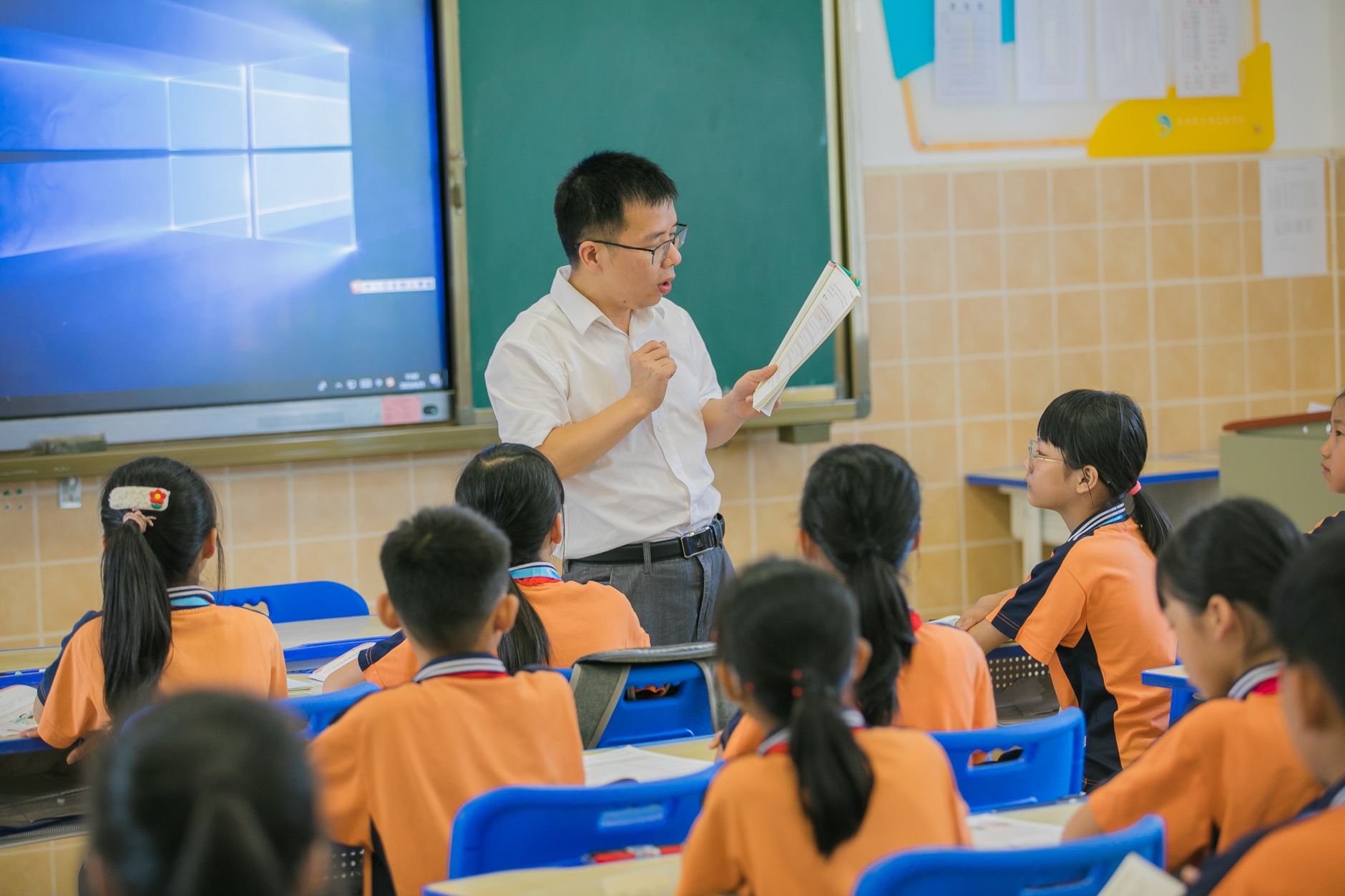
The government has set the wheels in motion for the introduction of comprehensive sex education in schools, a move that promises to stir both enthusiasm and controversy. In a statement to the Supreme Court, officials confirmed their commitment to this educational reform, which aims to equip students with fundamental knowledge about sexual health, relationships, and personal safety.
This development comes at a time when discussions around sex education are gathering momentum globally. While some hail it as a necessary evolution in the educational sphere, others remain sceptical, fearing it might clash with cultural and moral values. The proposed curriculum seeks to address topics ranging from reproductive health to consent, with a focus on fostering respectful and informed attitudes among young people.
Educational and Social Implications
Introducing comprehensive sex education is not without its challenges. Critics argue that such topics should remain within the purview of family discussions. However, advocates insist that a structured educational programme is crucial to address misinformation and promote sexual well-being among adolescents. The initiative could mark a significant shift towards a more open and informed discourse on sexuality in schools.
Moreover, the government's decision aligns with international trends, where many countries have integrated similar programmes into their educational systems. Such initiatives are often credited with reducing rates of teenage pregnancies and sexually transmitted infections, highlighting their potential public health benefits.
Navigating Opposition
Despite the potential advantages, the road ahead may not be smooth. Resistance from conservative groups could pose significant hurdles. The government, therefore, faces the delicate task of balancing educational objectives with societal concerns.
In conclusion, as the government forges ahead with its plans for comprehensive sex education, the focus will inevitably remain on how effectively it can implement this policy amidst diverse opinions. The measure not only reflects a commitment to modernising education but also underscores the importance of preparing the younger generation for the complexities of adult life.