Great Nicobar Project Sparks Accusations of Environmental Ruin
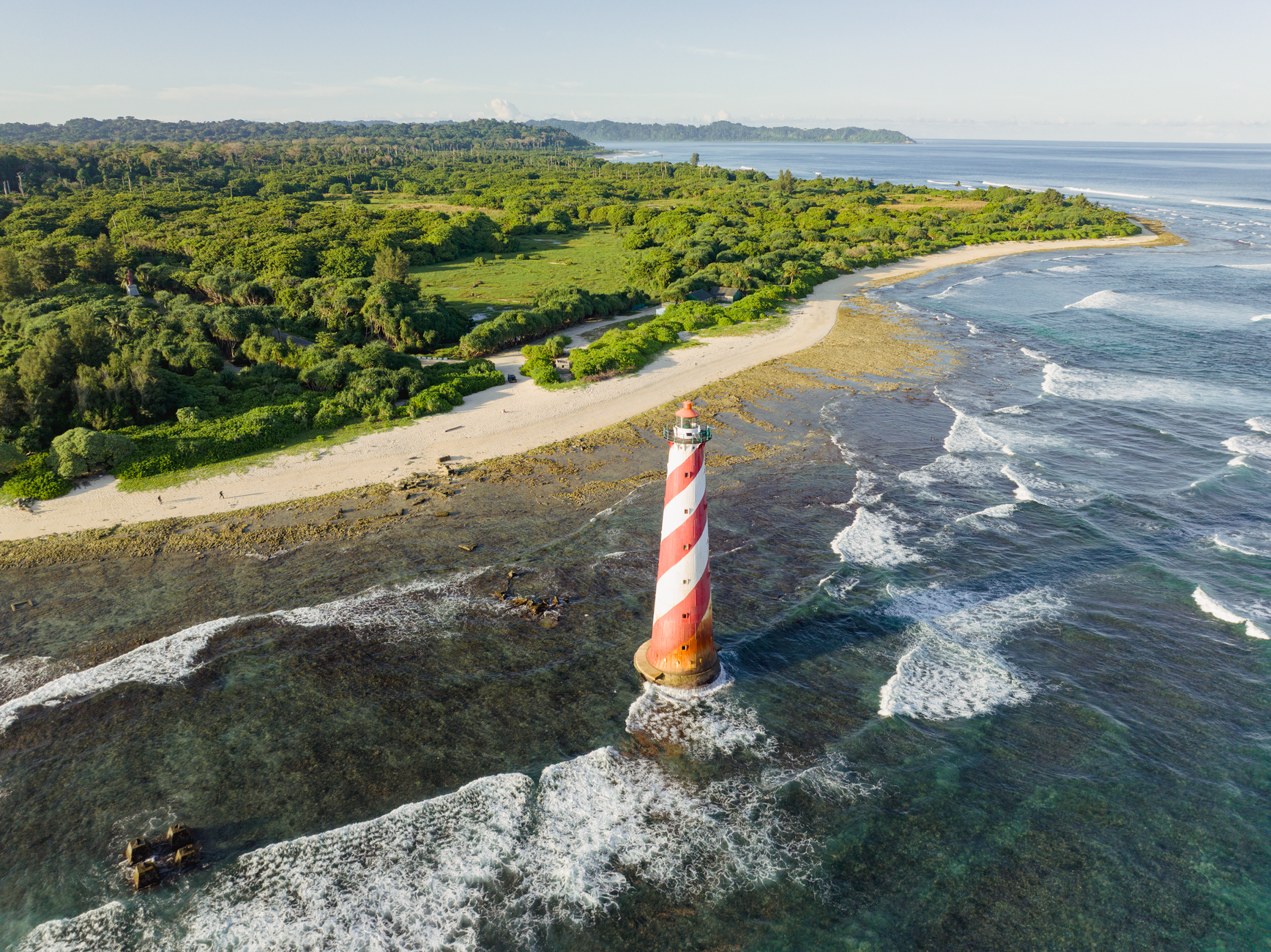
The pristine shores of Great Nicobar Island have become the latest battleground in a fierce political and environmental debate. Congress leader Jairam Ramesh has launched a scathing critique of Prime Minister Narendra Modi, accusing him of advancing a project that risks plunging the region into an 'environmental disaster'.
At the heart of the controversy lies the Great Nicobar Island Project, an ambitious endeavour that promises economic development but faces staunch opposition from environmentalists and local communities. Ramesh, a vocal advocate for ecological sustainability, claims that the project flouts multiple environmental laws and the Forest Rights Act, endangering the island's rich biodiversity.
Ecological Concerns
Great Nicobar, an island known for its unique biodiversity and indigenous communities, has been thrust into the limelight as plans for development progress. Critics argue that the project's environmental impact assessment was inadequate, raising fears about the possible destruction of critical habitats for endangered species.
The island's dense forests and coastal ecosystems are home to a wealth of flora and fauna, some of which are found nowhere else on earth. Ramesh's concern is that the project's execution could irreversibly damage these delicate ecosystems, thus threatening the survival of numerous species.
Legal and Public Resistance
The project has not only faced legal hurdles but also widespread public discontent. Activists and local residents have rallied to voice their concerns, staging protests and filing lawsuits to halt the development. They demand greater transparency and adherence to environmental norms, accusing the government of sidelining community interests in favour of rapid industrialisation.
Amidst these tensions, Ramesh has called for a thorough re-evaluation of the project, urging the government to prioritise ecological stability over short-term economic gains. His appeal echoes a broader sentiment within environmental circles that sustainable development should not come at the cost of environmental degradation.
As the debate rages on, the future of Great Nicobar hangs in the balance. Whether the project proceeds or is reined in by public and legal pressure remains uncertain. What is clear, however, is that the island's fate will serve as a crucial test of India's commitment to balancing development with environmental stewardship.