Great Nicobar Project Sparks Ecological Concerns Amidst Political Row
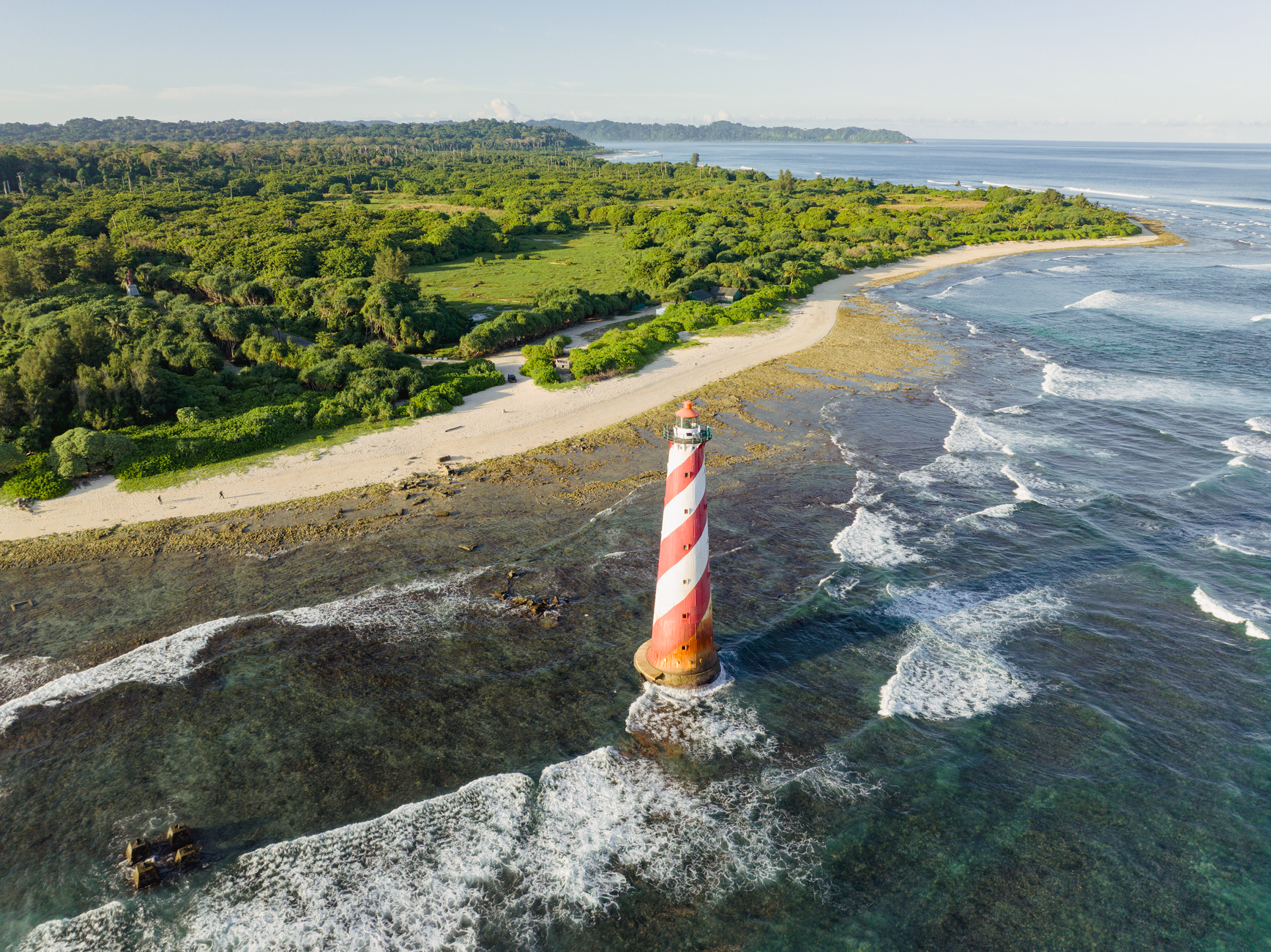
The air around the Great Nicobar Island is thick with tension, not just from the lush canopies but from a political tempest brewing over the archipelago's future. Congress leader Jairam Ramesh has sounded the alarm, accusing Prime Minister Narendra Modi of leading the nation towards an 'environmental disaster' with plans to develop the region.
Ramesh, a former environment minister, is no stranger to ecological crusades. He contends that the proposed infrastructural expansion poses a grave threat to the island's delicate ecosystem and its indigenous communities. His series of letters to Environment Minister Bhupender Yadav highlights what he calls 'ecological havoc'.
At the heart of the controversy is a development project that aims to transform the island into a bustling economic hub. The government argues that this will bring employment and development, but critics say it overlooks the environmental cost.
Ecological Concerns
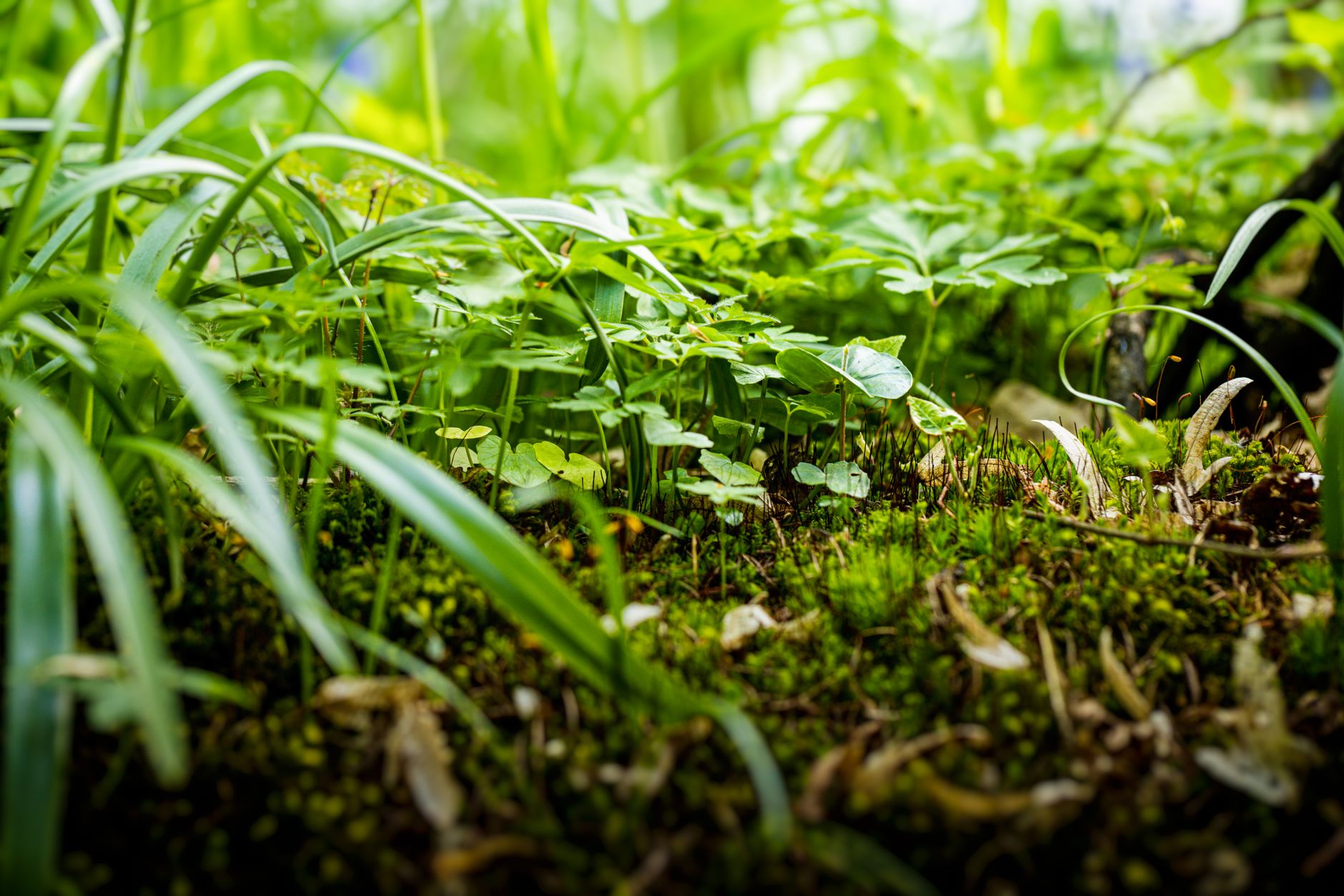
The island is home to unique biodiversity, including endangered species, and plays a crucial role in maintaining ecological balance. Environmentalists argue that large-scale construction could irreversibly damage this fragile environment. Ramesh's concerns find resonance amongst conservationists who worry about deforestation, habitat destruction, and the impact on marine life.
Moreover, the indigenous communities, who have resided there for centuries, face displacement. Their traditional way of life, closely intertwined with the natural environment, hangs in the balance.
Government's Defence
The government, however, stands firm on its plans. Officials argue that the project will enhance connectivity and economic prospects in the region. They assert that sustainable development practices will be employed to mitigate environmental damage.
This ongoing debate poses a critical question for India: Can economic growth and environmental conservation coexist? As the nation strides towards modernisation, finding a balance between development and ecological preservation remains a formidable challenge.