Green Light for Arunachal's Naying Hydro-Power Project Amid Environmental Concerns
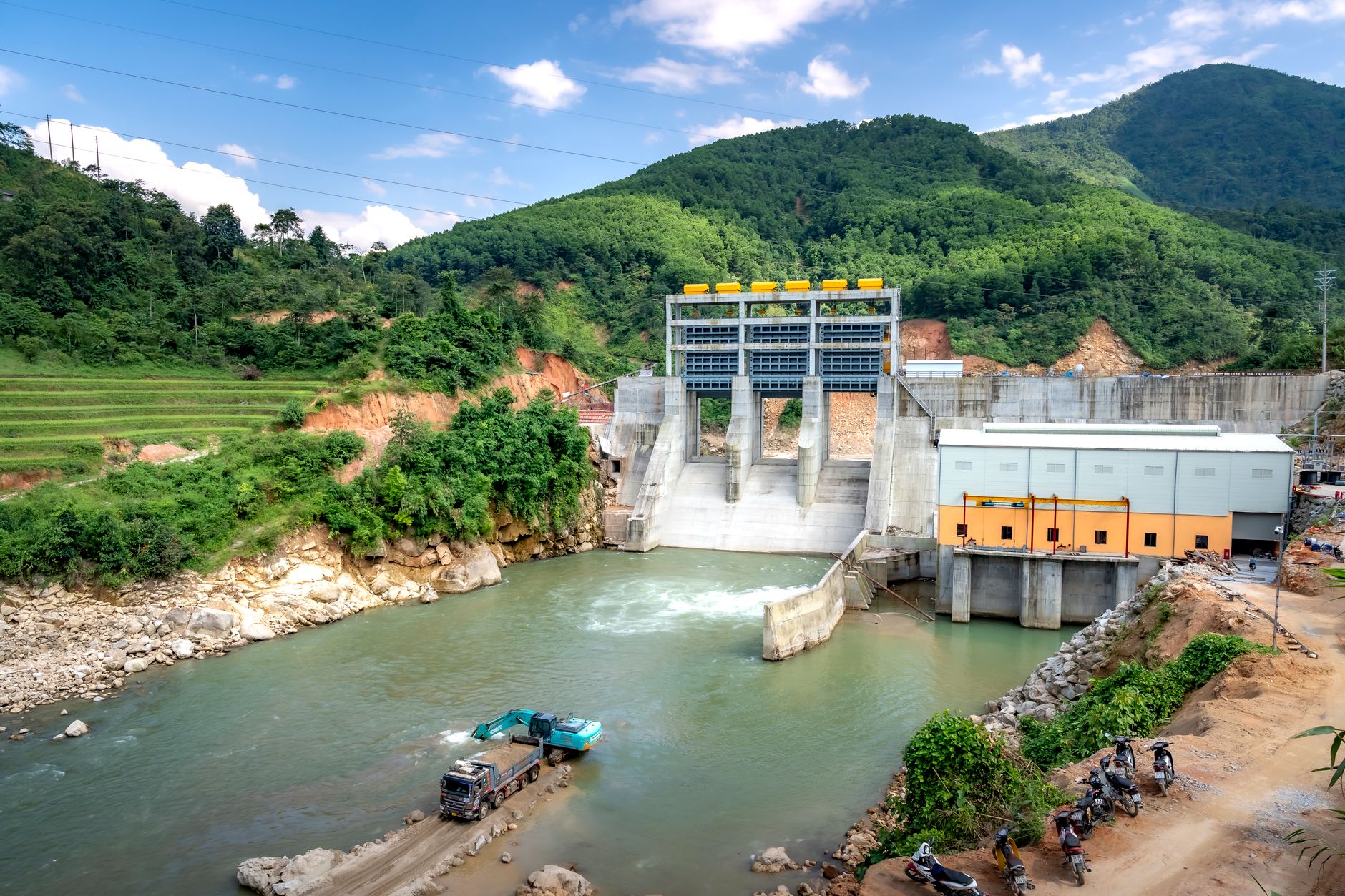
In the verdant hills of Arunachal Pradesh, a new chapter in India's renewable energy narrative is set to unfold. The Union environment ministry's expert appraisal committee has green-lit the 1,000 MW Naying hydro-electric project, a decision that could signal a shift towards greater energy independence for the region.
However, this approval is not without its caveats. The project, located on the Siyom River in the Siang and Shi-Yomi districts, requires the felling of an alarming 2.3 million trees. This stark reality has not been lost on the expert panel, which has called for robust mitigation strategies to offset the environmental damage.
The Environmental Cost
The clearance for the Naying project underscores a familiar tension in India’s development story: the balancing act between economic growth and environmental preservation. The vast number of trees that need to be felled symbolises a significant ecological loss, one that poses a challenge to biodiversity and local ecosystems.
Mitigation measures, such as afforestation and the establishment of wildlife corridors, have been proposed. Yet, critics argue that these efforts may not fully compensate for the ecological void left by such extensive deforestation.
Strategic Significance
Despite these environmental concerns, the strategic importance of the Naying project cannot be understated. As a run-of-the-river scheme, it promises a more sustainable approach to power generation compared to traditional dam-based projects, which often inundate large areas.
Furthermore, in the broader context of India's renewable energy ambitions, this project is a step towards meeting the country's commitment to increasing its renewable capacity. It also holds the promise of enhancing energy security in the Northeast, a region often plagued by power shortages.
As the project moves forward, it will be crucial to monitor the implementation of the proposed environmental safeguards. The success of such initiatives could serve as a blueprint for future projects, marrying development with sustainability in a region rich in natural beauty and resources.