Harnessing Nature: The Rise of Passive Cooling in Architecture
In an era where energy efficiency is no longer a mere preference but a pressing necessity, passive cooling techniques in architecture are gaining unprecedented attention. As temperatures rise and climate change challenges our built environments, the architectural world is turning to age-old wisdom coupled with modern ingenuity.
Passive cooling, at its core, relies on the principle of minimising heat gain and enhancing heat dissipation without the need for mechanical cooling systems. By harnessing natural processes such as convection, radiation, and conduction, architects are designing buildings that remain cool, even as the mercury climbs.
Designing with Nature
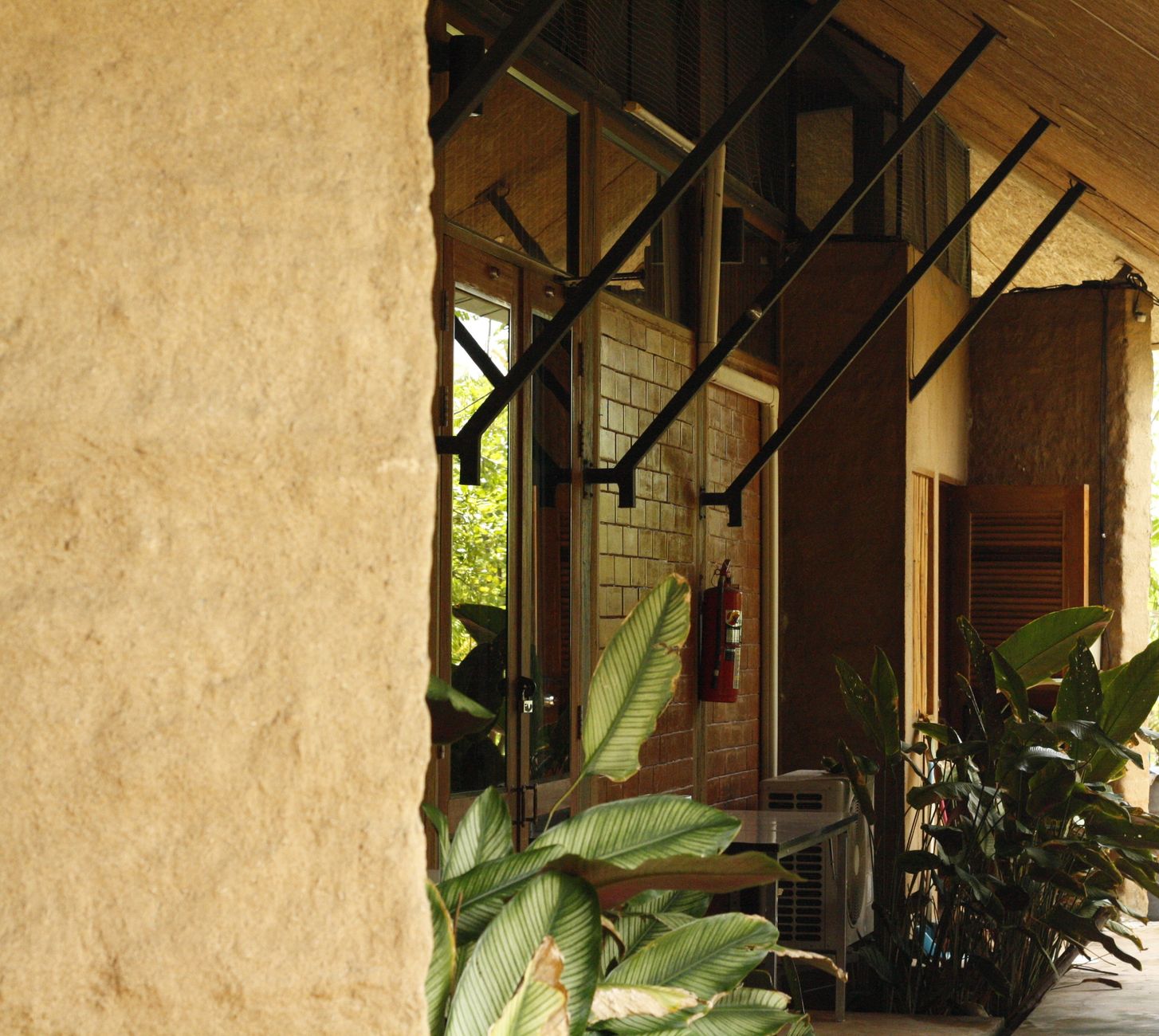
The key to passive cooling lies in the design of the building envelope. This includes careful consideration of materials, window placement, and building orientation. For instance, the U-values of materials determine how well a building can insulate against heat, while the Solar Heat Gain Coefficient (SHGC) of windows informs how much solar radiation they let in. Strategic use of shading devices and landscape elements further aids in reducing thermal loads.
Moreover, passive cooling strategies often incorporate the use of thermal mass. Buildings with high thermal mass can absorb heat during the day and release it at night, thereby stabilising indoor temperatures. This is particularly effective in regions with significant diurnal temperature variations.
The Economic and Environmental Case
While the environmental benefits of passive cooling are evident, the economic advantages cannot be overstated. Reduced reliance on air conditioning translates to lower energy bills, offering significant cost savings for both residential and commercial property owners. Furthermore, buildings designed with passive cooling principles often enjoy increased resale value owing to their sustainable credentials.
As urban planners and architects continue to grapple with the complex challenges posed by urban heat islands and rising temperatures, passive cooling remains a vital tool in the quest for sustainable, livable cities. The adoption of these techniques not only addresses current climate challenges but also sets a precedent for future architectural practices.