Harnessing Technology for Precise Crop Insurance Payouts in India
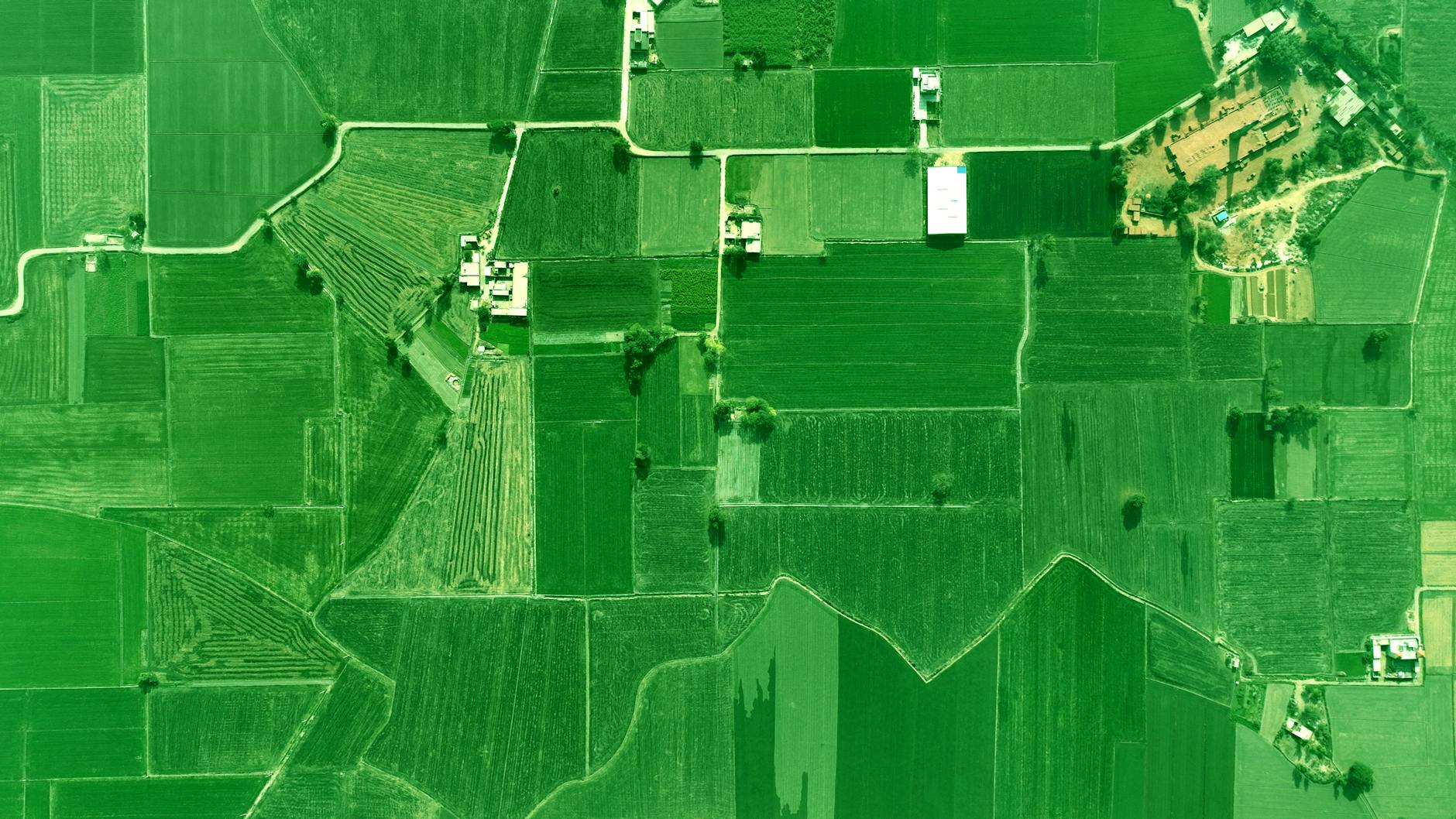
In an unprecedented move, India's agricultural sector is poised to witness a technological transformation aimed at enhancing the precision of crop insurance payouts. A state government has begun deploying satellite technology to assess crop losses, a development that could significantly bolster the accuracy and speed of insurance claims under the Pradhan Mantri Fasal Bima Yojana (PMFBY).
In a recent discussion hosted by the Centre for Science and Environment in Delhi, experts underscored the critical need for accurate crop-loss estimation. This precision not only ensures fair compensation for the farmers but also stabilises the agricultural economy by providing timely financial support in the wake of natural calamities.
Satellite Technology: A New Dawn
The use of satellite imagery marks a significant departure from traditional methods of crop assessment, which often relied on manual surveys and historical data analysis. By harnessing real-time data, satellite technology enables a more dynamic and responsive approach to evaluating crop damage. This could be particularly transformative in a country like India, where agriculture is vulnerable to erratic weather patterns and natural disasters.
Historically, the challenge has been to match premium rates with the actual risk of loss, a task assigned to NABARD's empanelled actuaries and the Agriculture Insurance Company of India (AIC). By integrating satellite data, these bodies can refine their models to better reflect the realities faced by farmers on the ground.
The Broader Implications
While the technological shift promises greater accuracy, it also raises questions about the accessibility of such technologies to small and marginal farmers, who are often most in need of timely payouts. Policymakers must ensure that the benefits of this satellite-driven approach are equitably distributed across all farming communities.
As India embraces these advancements, the focus must remain on creating a balanced system that not only integrates cutting-edge technology but also addresses the socio-economic challenges faced by the agricultural sector. The success of this initiative could set a precedent for other countries grappling with similar issues, underscoring the role of technology in safeguarding the future of farming.