Harnessing Technology to Feed a Growing World Population
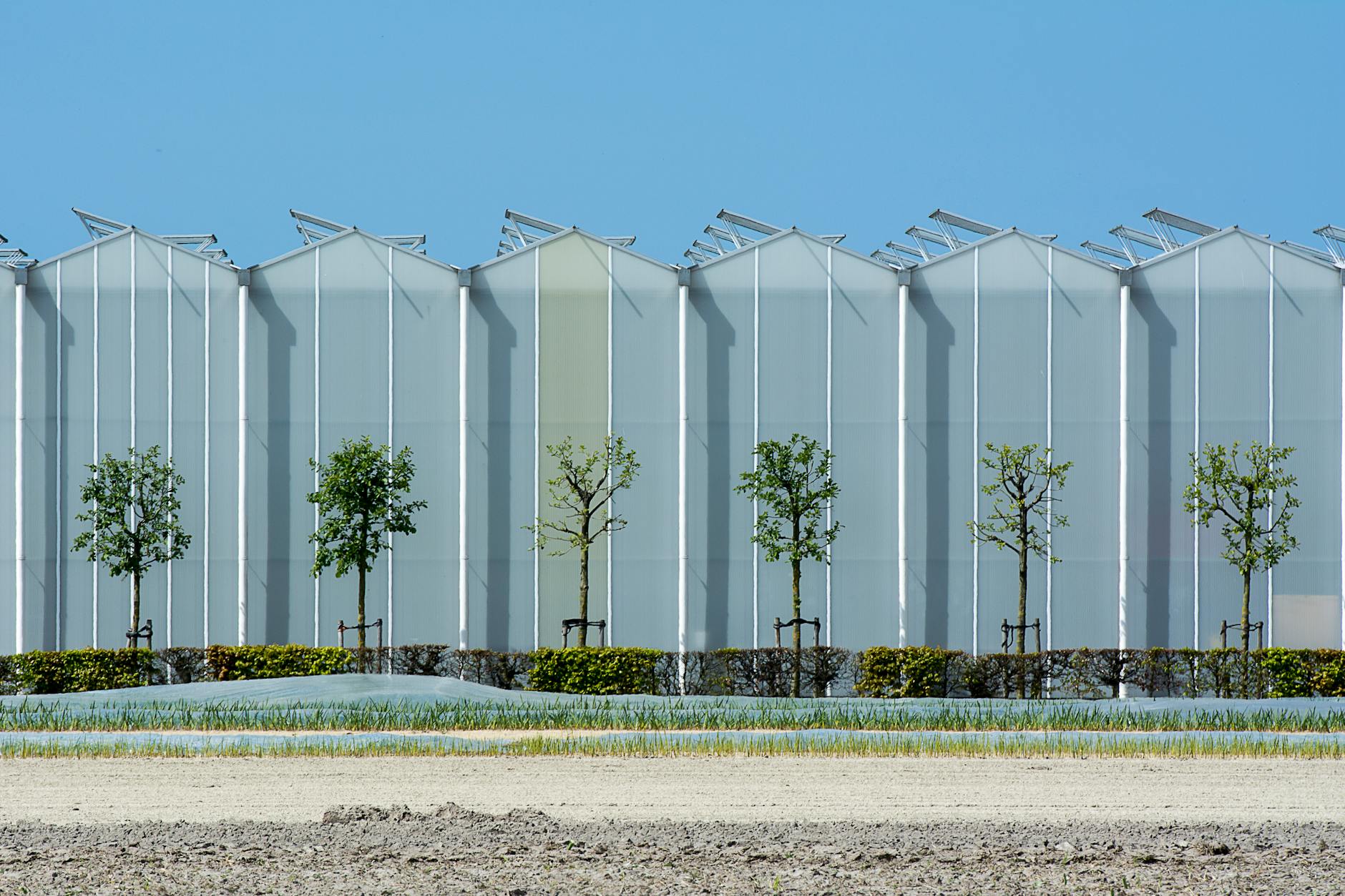
In a world where the population is set to reach 10 billion by 2050, the need for innovation in agriculture has never been more pressing. An intriguing mix of technology and tradition might just hold the key to feeding the planet's growing number of mouths sustainably.
Recent years have seen a surge in global investment in agrifood technology, spurred by the pandemic's disruption of food supply chains. This investment leapt from $22 billion in 2019 to an impressive $55 billion in 2021, signalling a significant shift in how we approach food production. Adam Anders, managing partner of Anterra Capital, a venture capital firm focused on agritech, noted, "Volatility is very bad for people who want to eat, but good for tech adoption."
One innovative approach gaining traction is vertical farming, which uses aeroponic technology to grow plants in stacked layers. This method requires a fraction of the land traditionally used and significantly less water, aligning well with the United Nations' Sustainable Development Goals. Meanwhile, scientists are exploring chemical additives like 3-nitrooxypropan, which have shown promising results in reducing methane emissions from ruminants by up to 30%.
Technological Advances and Their Impact
Technological advances aren't just about increasing yields but also about protecting the environment. For instance, integrating DNA-encoded libraries with machine learning models has been pivotal in developing new pest-resistant crops, reducing the need for harmful pesticides.
Furthermore, enhancing the productivity of livestock not only boosts food production but also mitigates climate change impacts. By increasing meat and milk yield per kilogram of feed, technology helps decrease methane emissions, a significant greenhouse gas contributor.
A Sustainable Path Forward
To sustainably feed the burgeoning population, a shift towards plant-based diets and reducing food waste is essential. These changes, coupled with technological advancements, could transform agriculture into a more efficient and environmentally friendly sector.
In conclusion, feeding 10 billion people by 2050 is a colossal challenge, but with sustained investment in agrifood technology and a commitment to sustainable practices, it is a challenge that can be met. The future of food production may well depend on our ability to innovate and adapt, ensuring that the world's growing population can be fed without compromising the health of our planet.