Haryana's Environmental Guardians: Citizens Steer Sustainability
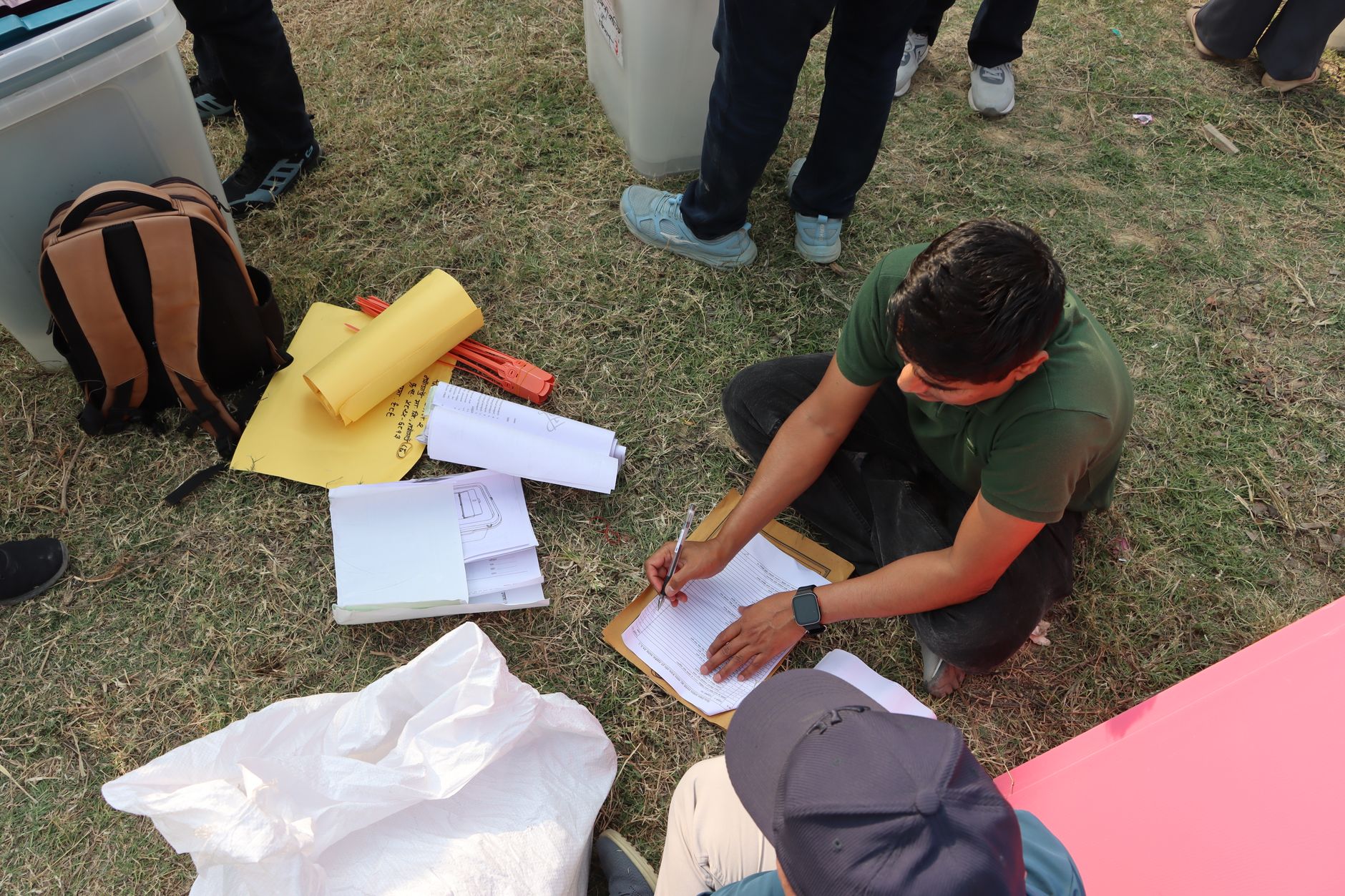
In the bustling state of Haryana, where skyscrapers jostle with lush green fields, an unlikely group of heroes is emerging. These are not the usual bureaucrats or politicians but ordinary citizens, passionately dubbed the 'citizen warriors'. They are leading the charge in the battle against environmental degradation, stepping into roles that the state has been sluggish to fulfil.
These citizen warriors have taken up the mantle of environmental stewardship, orchestrating community clean-ups, spearheading tree plantation drives, and educating their peers about sustainable practices. In cities like Gurugram and Faridabad, where air quality often plummets to hazardous levels, their initiatives are proving to be a breath of fresh air.
The State's Stuttering Steps
Despite the Haryana government unveiling its ambitious Environment Plan 2025, promising a cleaner and greener future, the reality on the ground tells a different story. While the plan aims to integrate climate priorities and promote sustainable agriculture, its implementation has been patchy at best. Bureaucratic delays and a lack of tangible outcomes have left citizens disillusioned.
In contrast, local communities have shown remarkable innovation and resolve. They have taken it upon themselves to address their immediate concerns, particularly in areas most affected by pollution and environmental neglect. By harnessing social media and forming tight-knit networks, these groups have mobilised support and resources effectively.
Civic Engagement: The New Green Revolution
What makes Haryana’s citizen warriors truly unique is their ability to galvanise diverse groups — from schoolchildren to corporate employees. They have turned environmental protection into a communal effort, often organising events that blend education with action. Whether it’s a weekend river clean-up or a series of workshops on waste management, the emphasis is always on participatory engagement.
Their success poses an important question: why are citizens leading the charge instead of the state? The answer lies partly in the immediacy of their actions. While governmental policies are often mired in red tape, citizens can act swiftly, responding to environmental challenges as they arise. Moreover, their grassroots approach ensures that solutions are tailored to local needs, rather than being imposed from above.
As Haryana moves forward, the role of its citizens in environmental protection cannot be overstated. They have not only become the state's environmental conscience but also its most effective agents of change. Their story is a testament to the power of civic engagement, reminding us all that sometimes, the most profound changes begin at the grassroots.