How a Simple Chalk is Helping France Combat Heatwaves
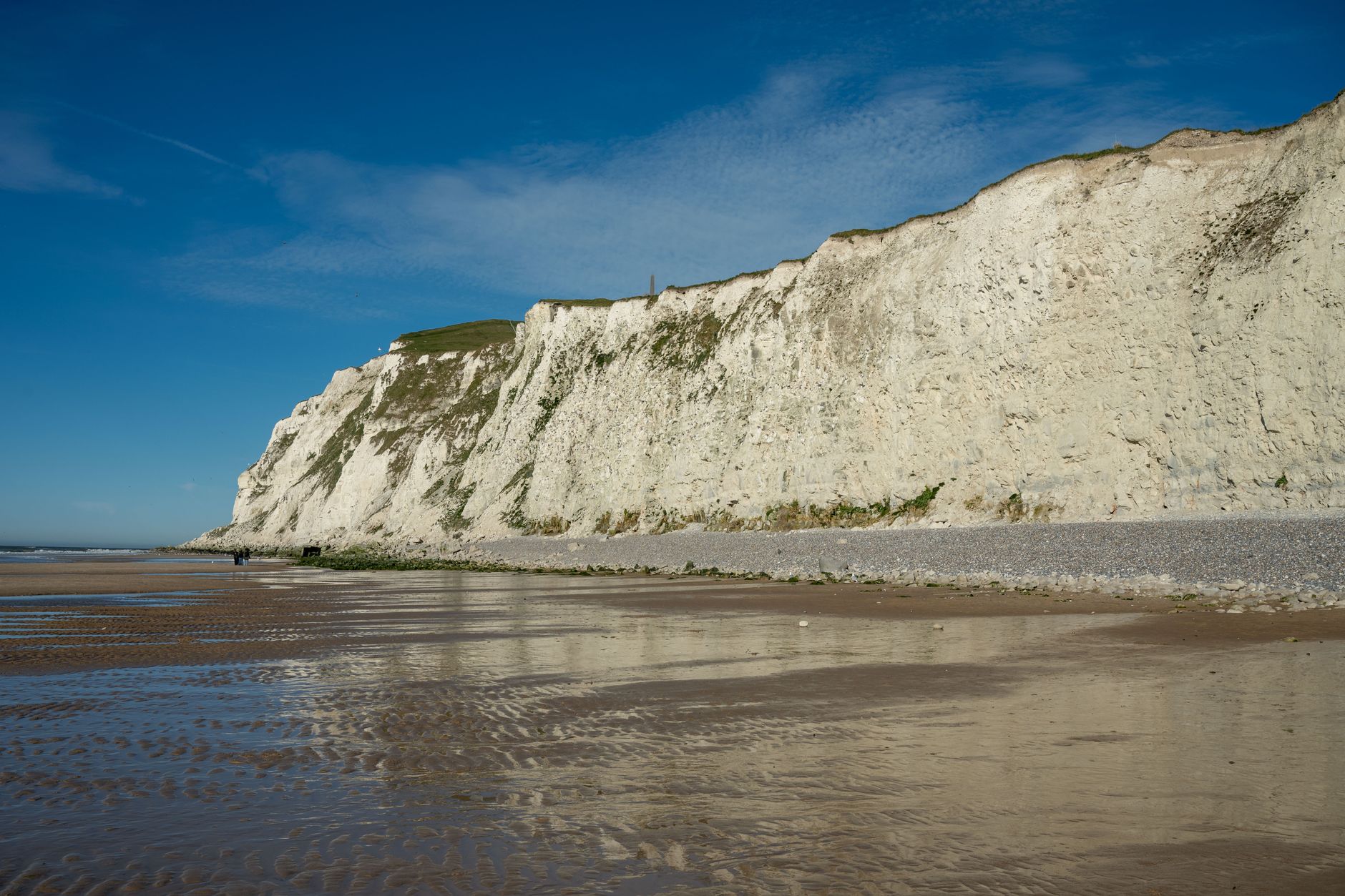
In the midst of a relentless heatwave, the French have turned to a most unexpected ally: chalk. Specifically, a product known as Blanc de Meudon, or Meudon whiting, has become a staple in the fight against rising temperatures. This humble, chalky powder is being snapped up from DIY stores across the nation, as residents seek respite from the sweltering sun.
Blanc de Meudon, traditionally used in cleaning and paint-making, is being mixed with water and painted onto windows. The science behind this technique is straightforward yet effective. By reflecting sunlight, the chalky coating helps reduce the amount of heat entering buildings, thereby lowering indoor temperatures. It’s a method as old as it is simple, harking back to eras before the advent of air conditioning.
A Low-Tech Solution in a High-Tech World
The charm of this approach lies in its simplicity. As climate change drives temperatures higher, innovations need not always be technologically advanced. Sometimes, the best solutions are those that have been right under our noses all along. In cities like Nantes, schools have adopted this method, covering their windows in the chalky concoction to protect students from the oppressive heat.
Reports suggest a surge in demand for Blanc de Meudon, with some shops barely keeping it in stock. This run on the product reflects a broader trend: the increasing awareness and application of traditional, eco-friendly methods to tackle modern problems.
The Broader Implications
The use of chalk to beat the heat serves as a reminder of the importance of sustainable practices in mitigating climate impacts. As Europe grapples with record-breaking temperatures, solutions like this offer a glimpse into how societies can adapt using resources that are both economical and environmentally benign.
In the grand scheme of things, Blanc de Meudon may not single-handedly solve the climate crisis, but it represents a step towards more sustainable living. It highlights the potential of integrating simple, historical techniques with contemporary environmental challenges.