How Birds' Traits Shape Their Responses to Environmental Change
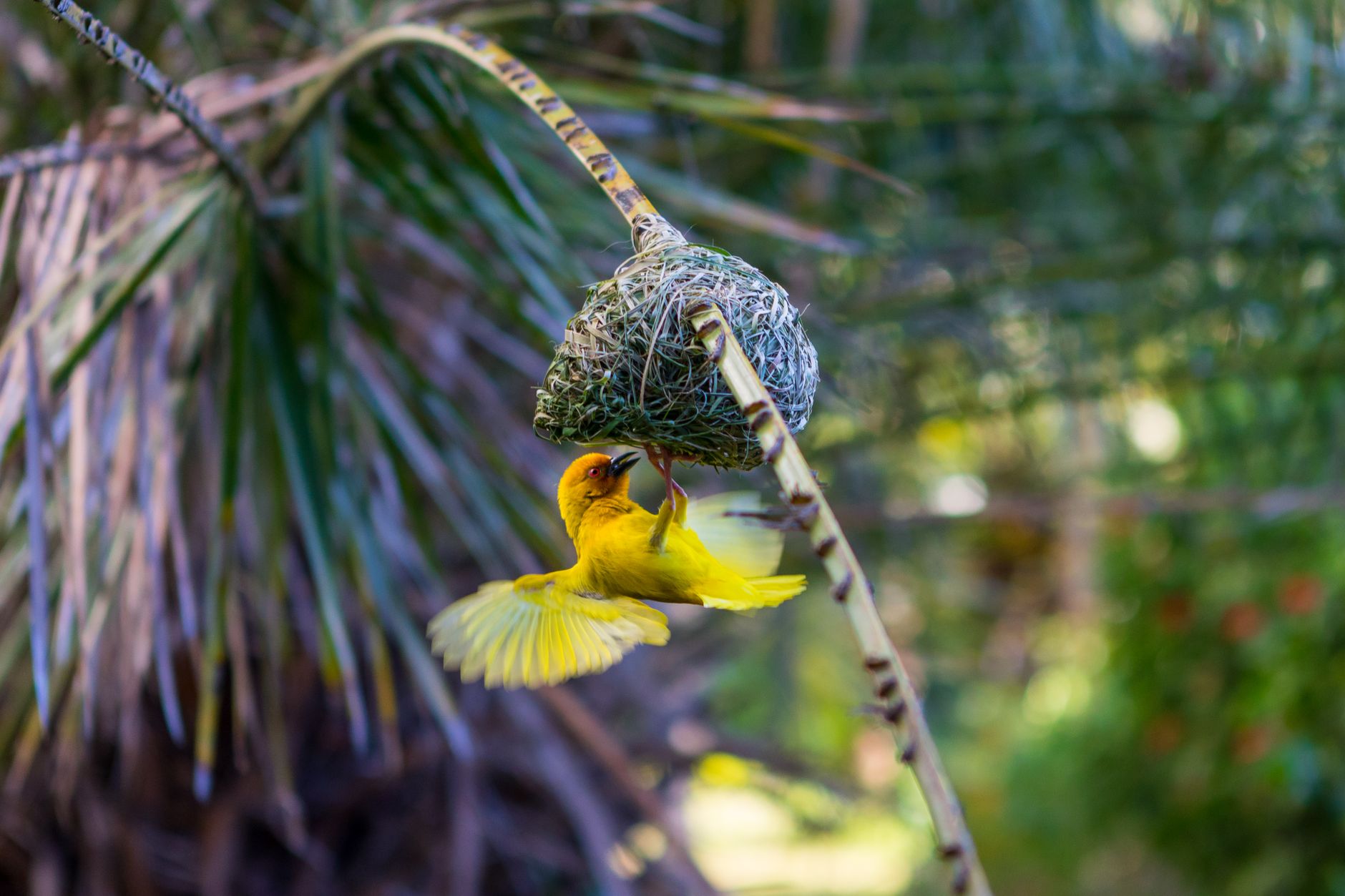
In the realm of avian adaptation, not all birds are created equal. A recent study has unveiled the intricate ways in which different species respond to environmental changes, shedding light on the role of individual traits in these reactions. While some birds soar above the challenges presented by a shifting climate, others falter.
At the heart of these differences are traits such as vision, flight behaviour, and climate preference. These characteristics are more than biological curiosities; they are the keys to understanding how birds might fare in an increasingly unpredictable world.
Unveiling Evolutionary Pressures
One of the most compelling aspects of the study is its exploration of evolutionary pressures. By examining how specific traits influence birds' responses to environmental changes, researchers can identify the selective pressures that may have shaped these traits over time. This knowledge is invaluable for predicting how birds will adapt—or fail to adapt—to future changes.
For instance, a bird species with a penchant for colder climates might struggle as temperatures rise, whereas those with a broader climate tolerance might thrive. The study’s insights are not just academic; they hold practical implications for conservation efforts, which often rely on generalised models that may not account for such nuanced differences.
Beyond the Bird's Eye View
The study also highlights the importance of looking beyond traditional indicators. Many conservation efforts focus on a handful of species, hoping to extrapolate findings to entire ecosystems. However, this research suggests that such generalisations may overlook critical variations among species.
In a world where environmental changes occur at an unprecedented pace, understanding these nuances is more crucial than ever. As scientists continue to unravel the complex tapestry of avian adaptation, the hope is to not only protect these species but also to gain insights into the broader ecological impacts of climate change.