Humanoid Robots to Revolutionise BMW Car Manufacturing
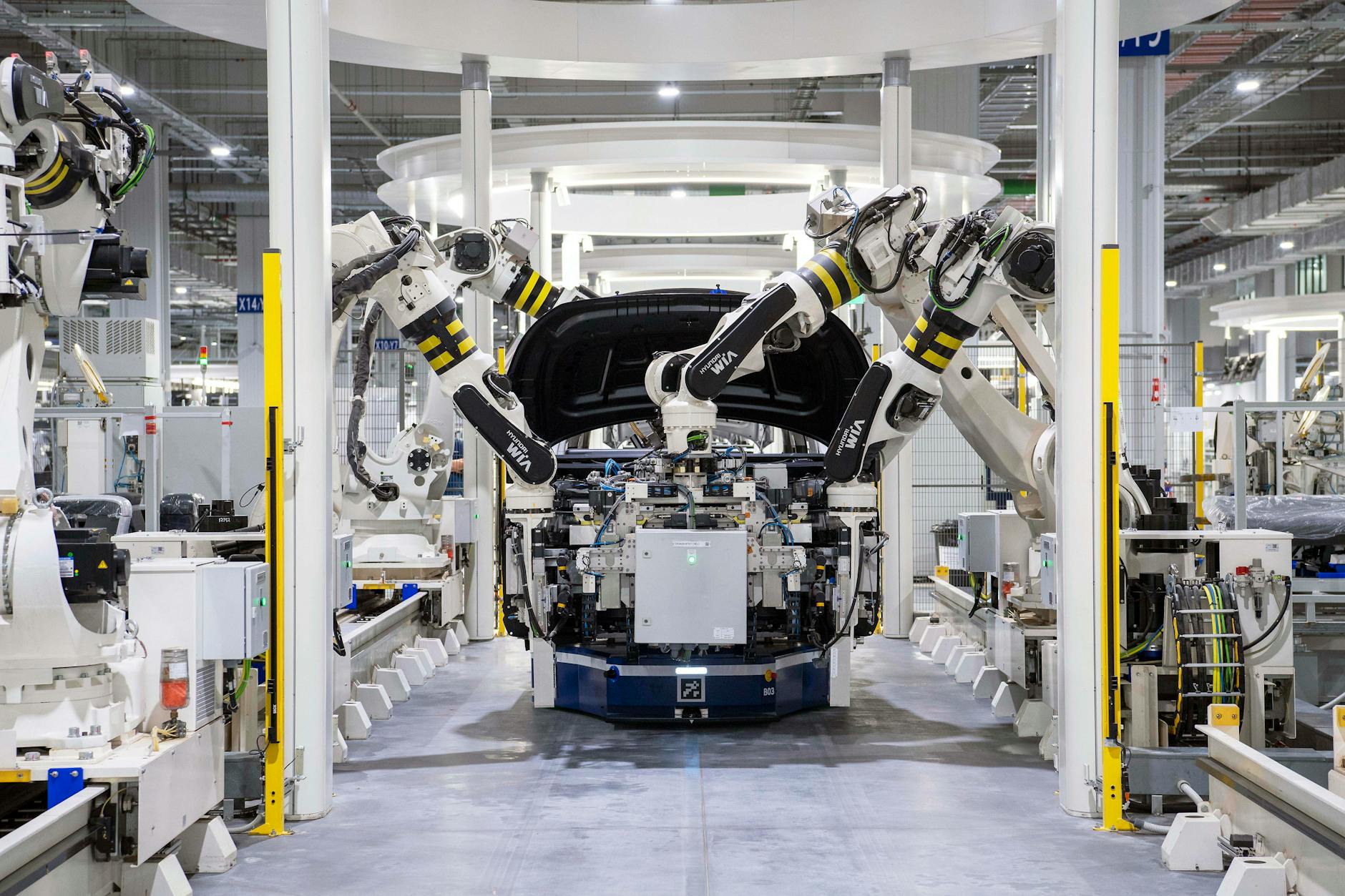
In what might seem like a scene from a science fiction film, BMW is poised to revolutionise its manufacturing operations with the introduction of humanoid robots at its Leipzig plant in Germany. This bold move is not merely an experiment but a strategic decision aimed at integrating advanced robotics into the very fabric of car production.
The two humanoid robots, developed by Hexagon Robotics, are scheduled to begin their duties in the summer, marking a significant shift in how cars are assembled. Milan Nedeljković, Board Member for Production with BMW AG, asserts, 'With an early test operation, we are now determining possible applications for humanoid robots in production.'
The Role of Humanoid Robots
Traditionally, car manufacturing has relied heavily on human labour and conventional machinery. However, the integration of humanoid robots signifies a new era of automation where AI steps out of the digital realm and into the physical world of manufacturing. These robots, designed to mimic human movements, could handle tasks ranging from simple assembly to complex component installation, potentially increasing efficiency and reducing labour costs.
Brett Adcock, the founder and CEO of Figure, which collaborates with Hexagon, describes the Figure 02 as 'the most advanced humanoid robot in the world to reach the market so far'. The implications of this development extend beyond mere novelty; they represent a paradigm shift in how industrial tasks are approached.
Strategic Implications and Future Prospects
While some may view this as a futuristic vision, BMW's initiative is grounded in a pragmatic strategy. The automotive giant is not just looking to enhance production but also to explore potential applications in battery production and component manufacturing. The potential to streamline processes and achieve higher precision could give BMW a competitive edge in a rapidly evolving industry.
The pilot project at Leipzig is expected to serve as a model for future operations. If successful, it could pave the way for broader adoption of humanoid robotics in other plants, including those outside Europe. This move underscores BMW's commitment to innovation and its willingness to embrace new technologies that promise to redefine the automotive manufacturing landscape.
As the world watches, BMW's foray into humanoid robotics could very well set a precedent for other manufacturers, signalling that the future of car making might indeed be more 'human' than ever imagined, albeit with a robotic twist.