ICRC’s Ambitious Plan: Reducing Emissions and Addressing Climate Risks
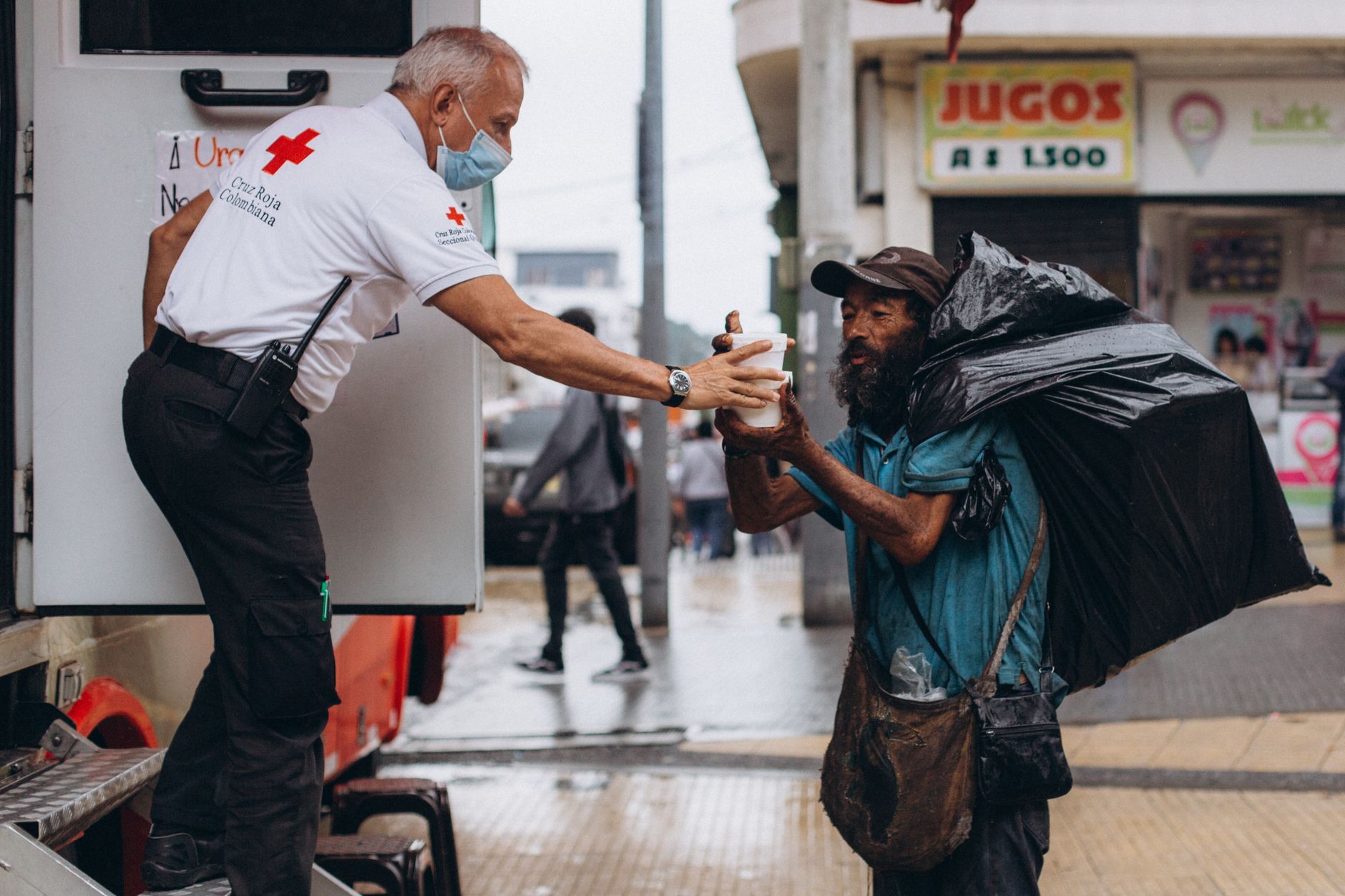
The International Committee of the Red Cross (ICRC) has unveiled a robust plan to integrate climate and environmental factors into its humanitarian operations, as part of its 2025-2027 action plan. The ICRC, in its earnest attempt to mitigate the exacerbating impacts of climate change, has committed to a substantial 50% reduction in its greenhouse gas emissions by the decade's end.
This ambitious target is not merely a numbers game. It reflects a broader strategy to ensure that all its programmes account for the climate risks that increasingly intertwine with humanitarian needs. By 2025, the ICRC aims to have these risks systematically factored into their operations, underscoring the organisation's recognition of the dual challenge posed by environmental degradation and humanitarian crises.
Decarbonising Humanitarian Aid
Since joining the Climate Action Accelerator in 2021, the ICRC has been at the forefront of developing methodologies for decarbonisation. The collaborative effort began in earnest in 2022 and represents a significant shift in how humanitarian organisations approach their environmental responsibilities. The ICRC is not alone in this endeavour; it is part of a growing trend among international humanitarian bodies to adopt more sustainable practices.
ICRC's plan is not just about reducing emissions. It is about transforming the entire humanitarian landscape to better prepare for and respond to the future challenges posed by climate change. This involves rethinking logistics, sourcing sustainable materials, and fostering localised solutions to reduce the carbon footprint of aid delivery.
The Humanitarian Imperative
As climate change intensifies, the humanitarian sector finds itself on the front lines of a rapidly evolving crisis. The ICRC's action plan is a timely reminder of the urgent need to adapt and innovate. The intertwining of climate and humanitarian issues demands a response that is both principled and pragmatic. The ICRC's roadmap serves as a blueprint for how such an approach can be realised, setting a precedent for others to follow.
This strategic shift by the ICRC is not only about fulfilling immediate humanitarian needs but also about safeguarding the future of vulnerable communities worldwide. As natural disasters become more frequent and severe, the need for a coordinated, environmentally-conscious response is more pressing than ever.