ICRC's Bold Plan to Implement Environmental Charter
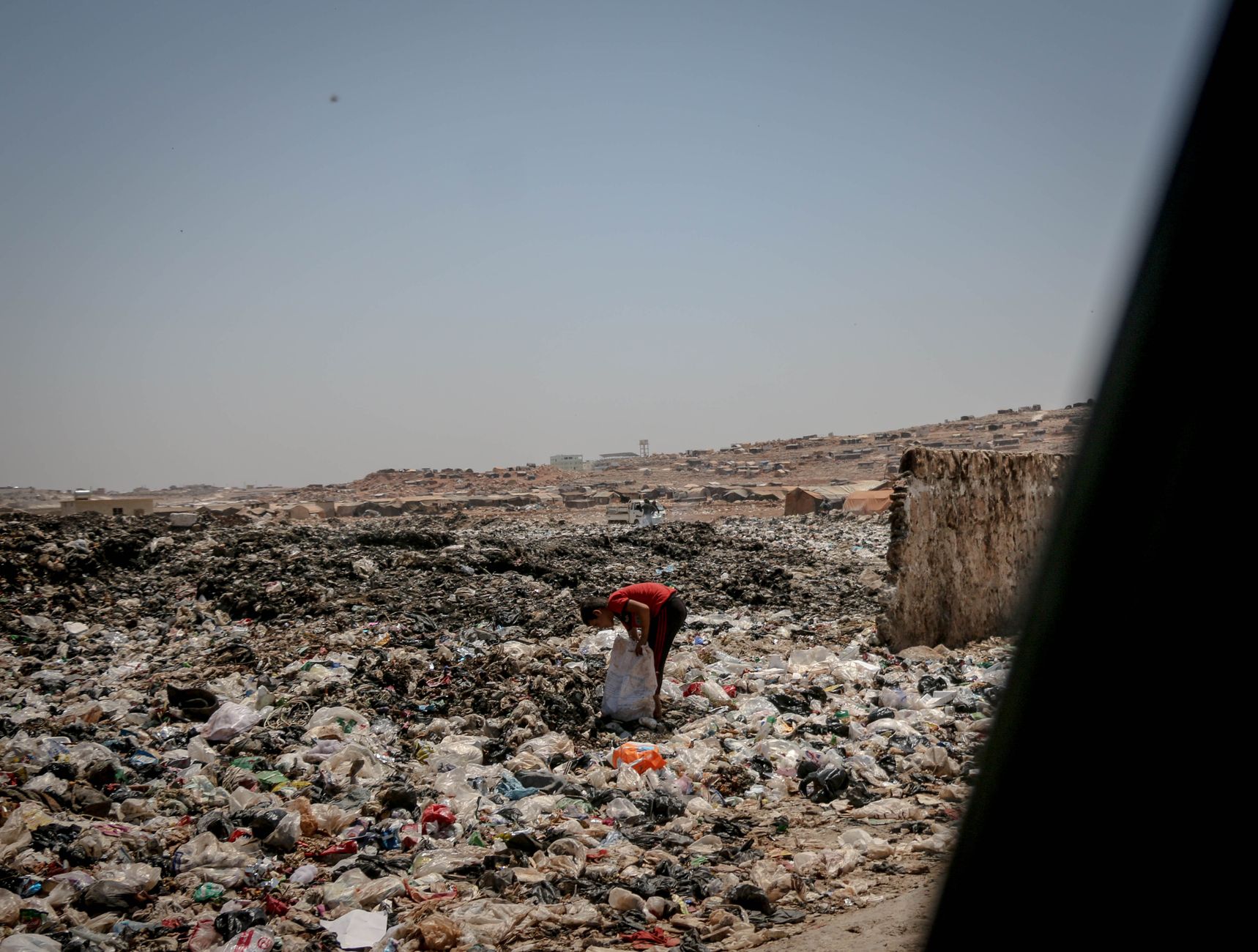
In a world grappling with the dual crises of climate change and humanitarian need, the International Committee of the Red Cross (ICRC) has taken a decisive step. Their Plan of Action 2025-2027+ aims to translate the lofty ambitions of the Climate and Environment Charter for Humanitarian Organizations into tangible outcomes. This initiative, unveiled recently, outlines a roadmap for aiding communities ravaged by conflict to adapt to an increasingly unpredictable climate.
The Charter, which gained momentum since its adoption in 2021, represents a sector-wide acknowledgment of the urgent need for environmental stewardship in humanitarian efforts. It is not merely an aspirational document; it is a call to action, urging organisations to incorporate climate considerations into their operations. The ICRC's plan is particularly noteworthy for its dual focus: assisting vulnerable communities and mitigating its own environmental impact.
Strategic Implementation
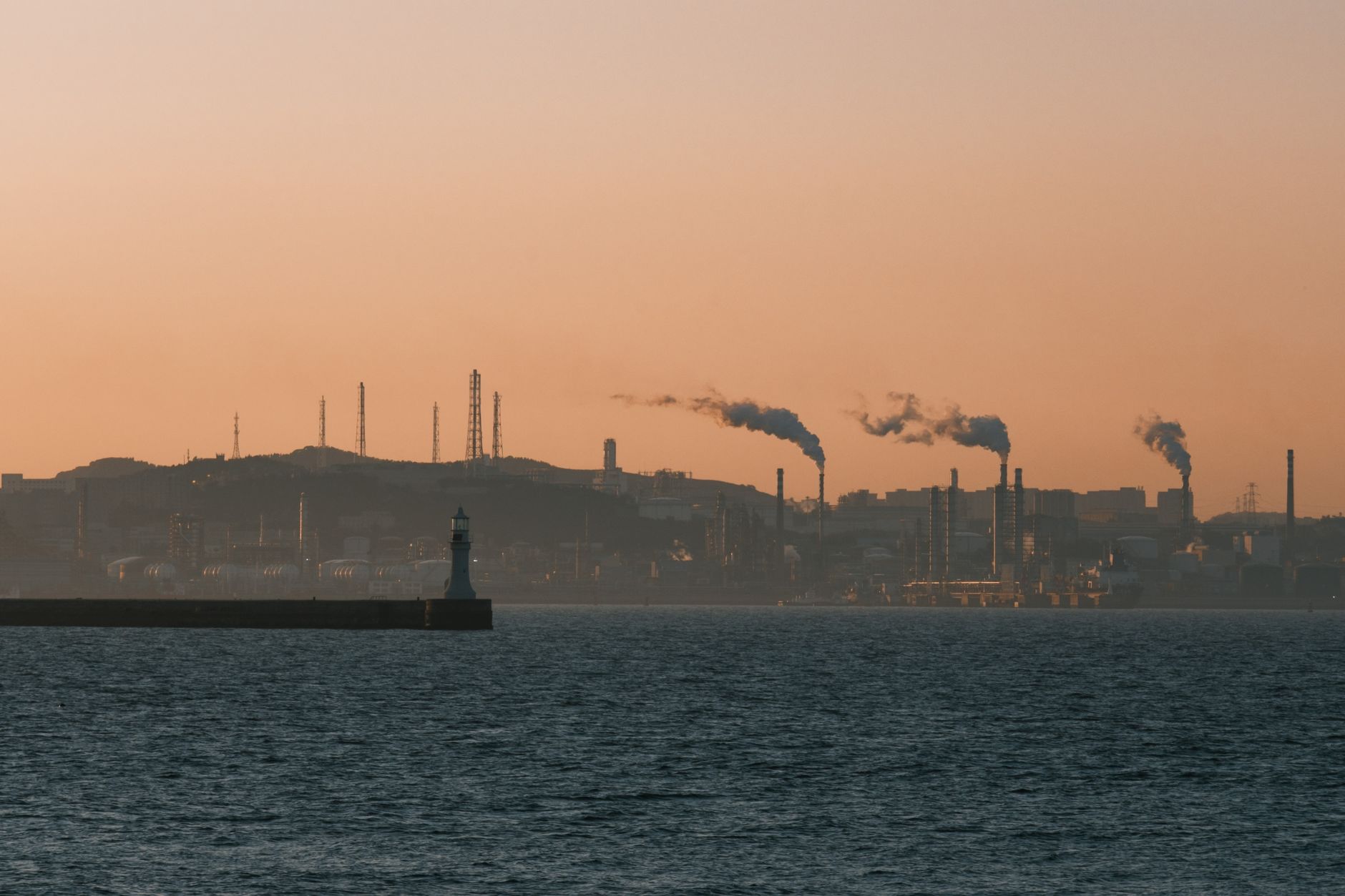
The plan includes specific strategies aimed at reducing the ICRC's carbon footprint. This involves implementing sustainable practices in logistics, energy consumption, and resource management. Key measures include transitioning to renewable energy sources for field operations and adopting eco-friendly technologies to minimise waste.
Moreover, the ICRC is committed to capacity building within communities. By providing resources and training, the organisation hopes to equip local populations with the tools necessary to withstand environmental shocks and stresses. This approach not only addresses immediate needs but also fosters long-term resilience against climate-related adversities.
Collaborative Efforts
Central to the Charter's success is the collaboration among humanitarian organisations. The Charter Secretariat, established in 2024, plays a pivotal role in facilitating these partnerships. It serves as a hub for sharing best practices and guiding organisations in translating commitments into real-world actions.
As the ICRC embarks on this ambitious plan, it highlights the broader imperative for humanitarian agencies to rethink their roles in a changing world. The intersection of conflict, climate, and humanitarian need demands a holistic approach, one that balances immediate relief with sustainable development.
While the challenges are formidable, the ICRC's commitment to implementing the Charter underscores a growing recognition that humanitarian and environmental goals are not mutually exclusive. By aligning these priorities, the ICRC is setting a precedent for others in the sector, demonstrating that with strategic planning and collaboration, meaningful progress is indeed possible.