ICRC's Strategic Climate Charter: A Vision for 2025 and Beyond
The International Committee of the Red Cross (ICRC), a stalwart in humanitarian assistance, is setting its sights on a greener future. With the unveiling of its Climate and Environment Charter for Humanitarian Organizations, the ICRC aims to weave environmental sustainability into the very fabric of its operations for the years 2025 to 2027 and beyond.
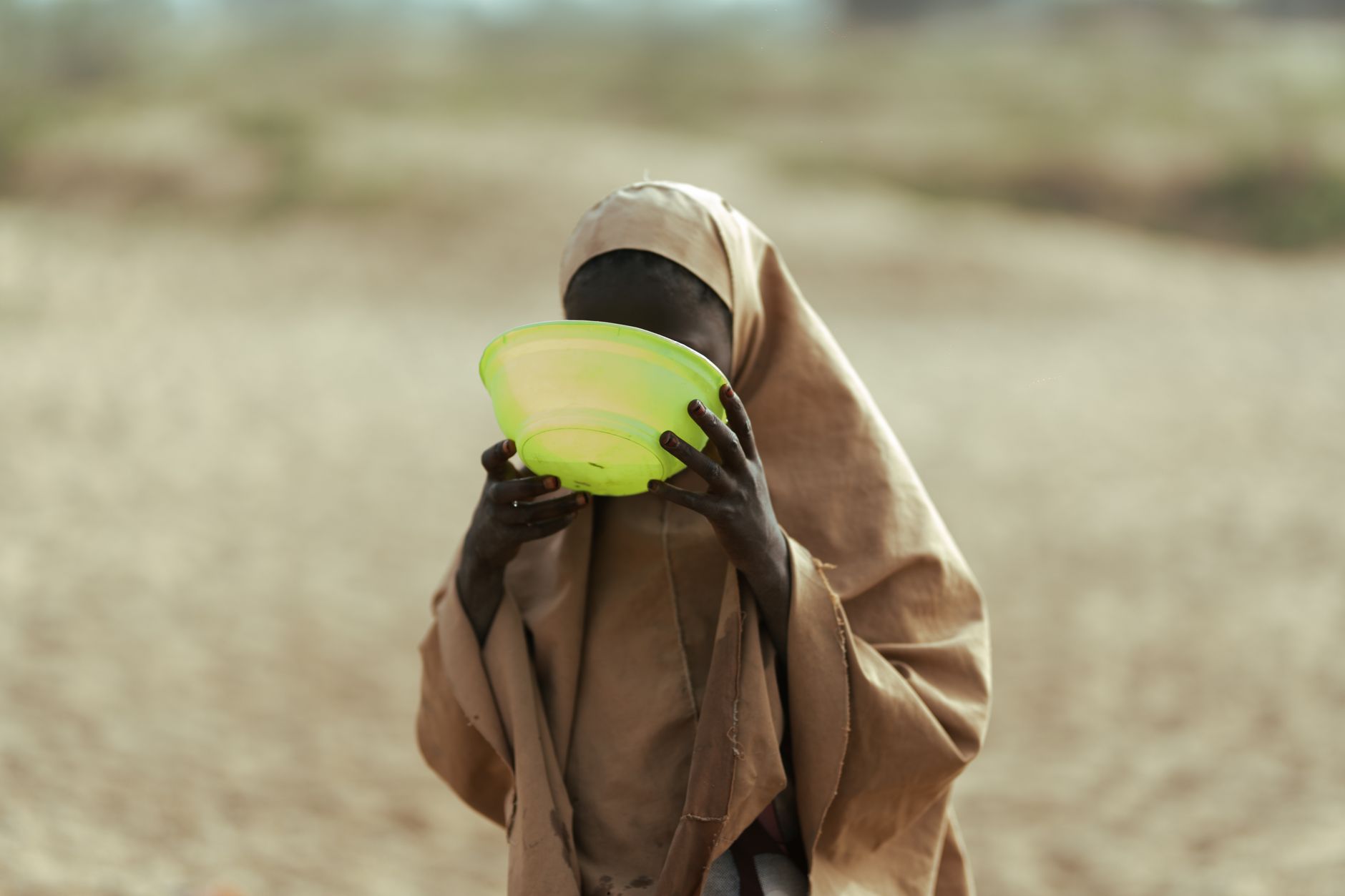
Climate change is no longer a distant threat; it is a present-day crisis impacting millions. Humanitarian organisations are often on the frontline of this crisis, witnessing firsthand the devastation wrought by extreme weather events and environmental degradation. In response, the ICRC's latest initiative seeks to not only mitigate their environmental impact but also enhance the resilience of communities vulnerable to climate change.
Commitment to Change
The Climate and Environment Charter is more than a document; it is a call to action. The ICRC is pledging to reduce its carbon footprint and minimise the ecological impact of its aid operations. Central to this is the integration of sustainable practices, from energy-efficient logistics to the responsible sourcing of materials.
Peter Maurer, President of the ICRC, emphasised, "Our humanitarian efforts must align with environmental stewardship. We cannot afford to ignore the environmental dimensions of our work." This reflects a broader acknowledgment within the humanitarian sector that aid must be delivered in a manner that respects and preserves the environment.
Adaptive Strategies
The ICRC's action plan includes adaptive strategies designed to address the unique challenges posed by climate change. This includes collaborating with local communities to develop context-specific solutions. For instance, in areas prone to flooding, the ICRC is exploring innovative flood defence systems that utilise natural barriers rather than concrete levees.
Moreover, the charter encourages the use of renewable energy sources in field operations, reducing reliance on diesel generators. Such measures not only lessen the environmental impact but also serve as a model for sustainable practices in crisis-affected regions.
As the world grapples with the realities of climate change, the ICRC's proactive approach sets a precedent for others in the humanitarian field. By prioritising environmental considerations, the ICRC is not only responding to immediate needs but also investing in a sustainable future for generations to come.