IIT Bombay Study Explores Print and Digital Learning Impact
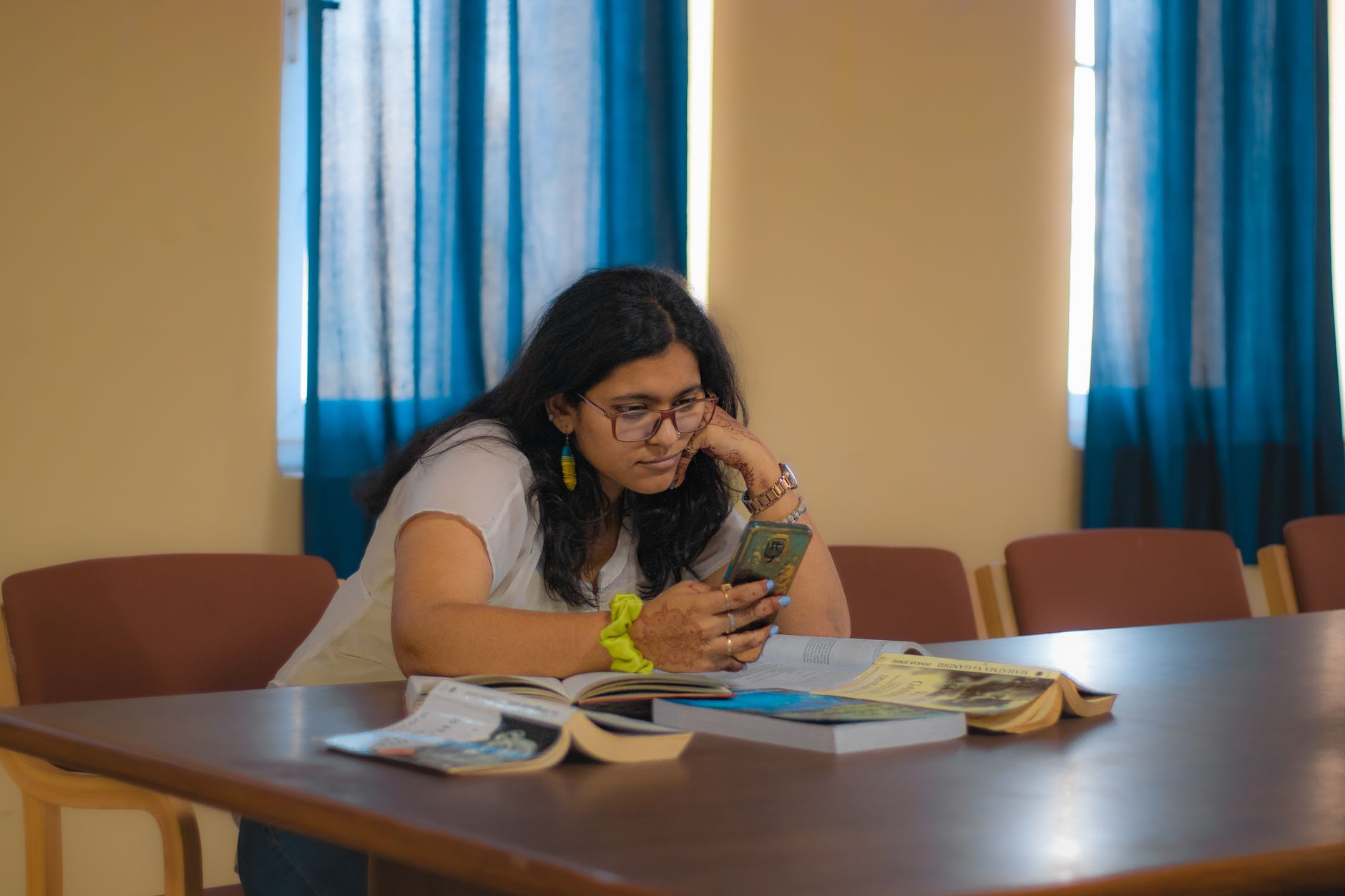
In a world increasingly dominated by screens, the age-old debate between print and digital learning has taken a new turn. Researchers at IIT Bombay have uncovered intriguing insights into how these two mediums impact cognitive load. The study, employing the NASA-TLX scale, suggests that a blend of traditional print and digital learning could be the key to reducing cognitive strain on students.
While digital tools have become ubiquitous in classrooms, the study reveals that students often find these technologies less intuitive to use. This lack of familiarity, rather than the tools themselves, may be contributing to increased cognitive load. The researchers observed that students who regularly employ a mix of both print and digital resources tend to navigate their learning environment more effectively.
But why does this matter? Cognitive load, the mental effort required to process new information, can significantly affect learning outcomes. When students are overwhelmed, their ability to absorb and retain information diminishes. By understanding the nuances of how different learning tools impact cognitive load, educators can tailor their teaching strategies to ensure students are not only engaged but also comprehending material efficiently.
The study's findings resonate with the 'technological reserve' hypothesis, which posits that diverse digital experiences can preserve cognitive functions. However, the researchers emphasise that without adequate practice and familiarity, digital tools might hinder rather than help.
In essence, the takeaway from IIT Bombay's research is a call for balance. Schools and universities might do well to blend the tactile reassurance of print with the dynamic possibilities of digital tools. This approach could prepare students better for a future where both mediums coexist, each playing to its unique strengths.