Inclusive Education Rights for Children with Cleft Palate
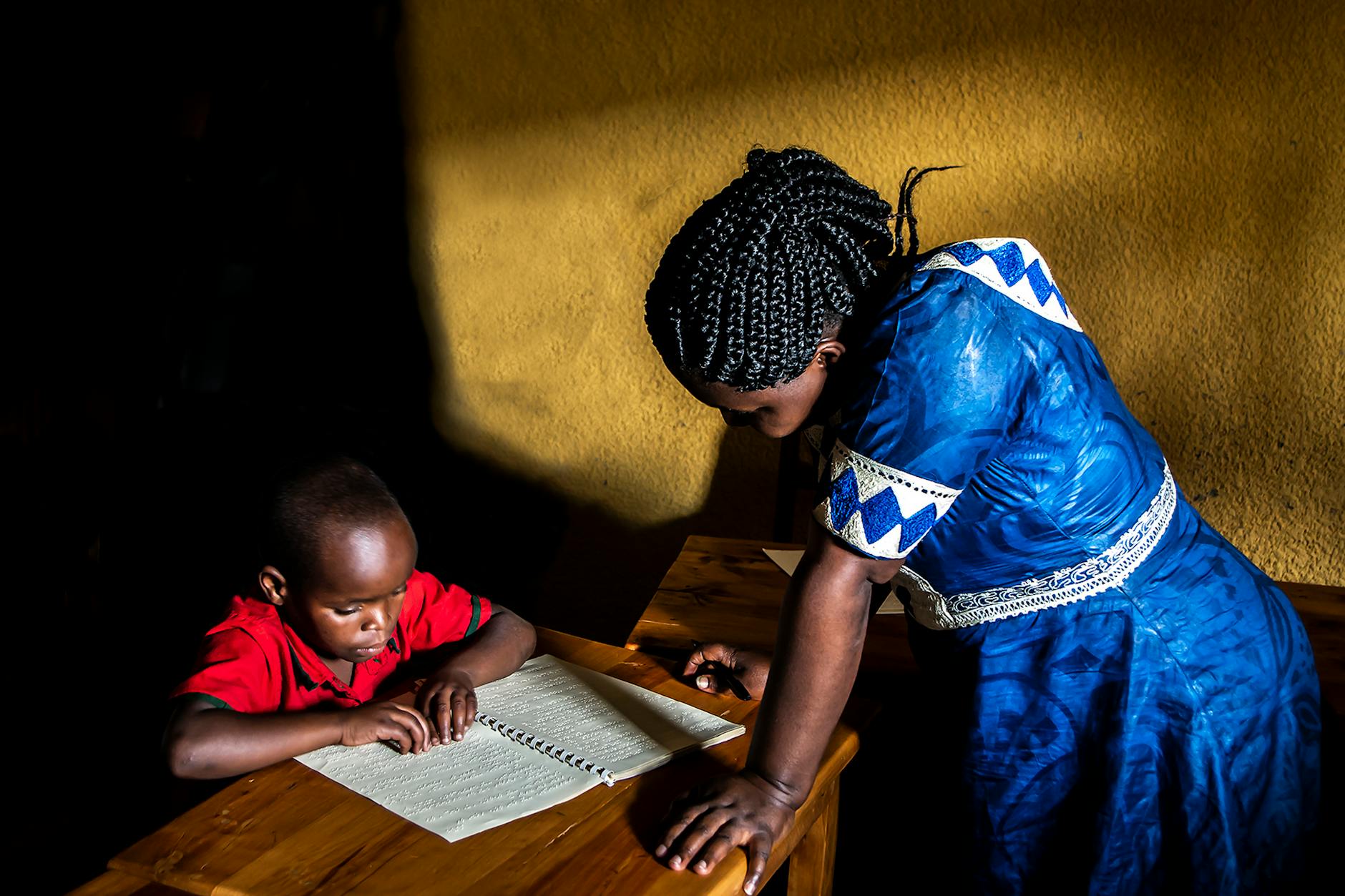
In a significant step towards educational equality, Health Minister Dinesh Gundu Rao announced that children with cleft-related speech disabilities in Mysuru are now entitled to inclusive education. This move, revealed on Thursday, underscores the government's commitment to ensuring that all children, regardless of physical challenges, can access quality education.
Cleft palates, characterised by an opening in the roof of the mouth, have long posed challenges beyond the physical. Speech difficulties, hearing issues, and social integration hurdles have notably impacted educational attainment. Historically, children with orofacial clefts have struggled academically, often due to social stigmatisation and impaired communication skills.
The minister's declaration is a nod to the United Nations Convention on the Rights of the Child, which asserts every child's right to education without discrimination. By aligning with global standards, India is taking a crucial step in bridging the educational gap faced by these children.
Addressing Educational Disparities
Educational disparity among children born with non-syndromic orofacial clefts has been well-documented. Lower-than-average academic performance has often been attributed to a mix of genetic factors and the adverse social and developmental environments these children face. This initiative aims to dismantle the barriers that have historically hindered their educational journey.
By facilitating an inclusive educational framework, the government seeks not only to improve academic outcomes but also to foster an environment of acceptance and understanding. This decision could potentially serve as a template for other regions grappling with similar challenges.
A Step Towards Inclusion
The Education for All (EFA) initiative, which India is part of, emphasises the importance of quality education for every child. This recent development is a testament to the country's dedication to this cause. It is a reminder of the transformative power of education, not just in terms of knowledge acquisition, but as a tool for social change.
As India moves forward, the hope is that such measures will pave the way for a more inclusive society, where children are valued not for their physical perfection but for their potential to contribute meaningfully to the community.