India Embraces Future with Autonomous Vehicle Safety Approval
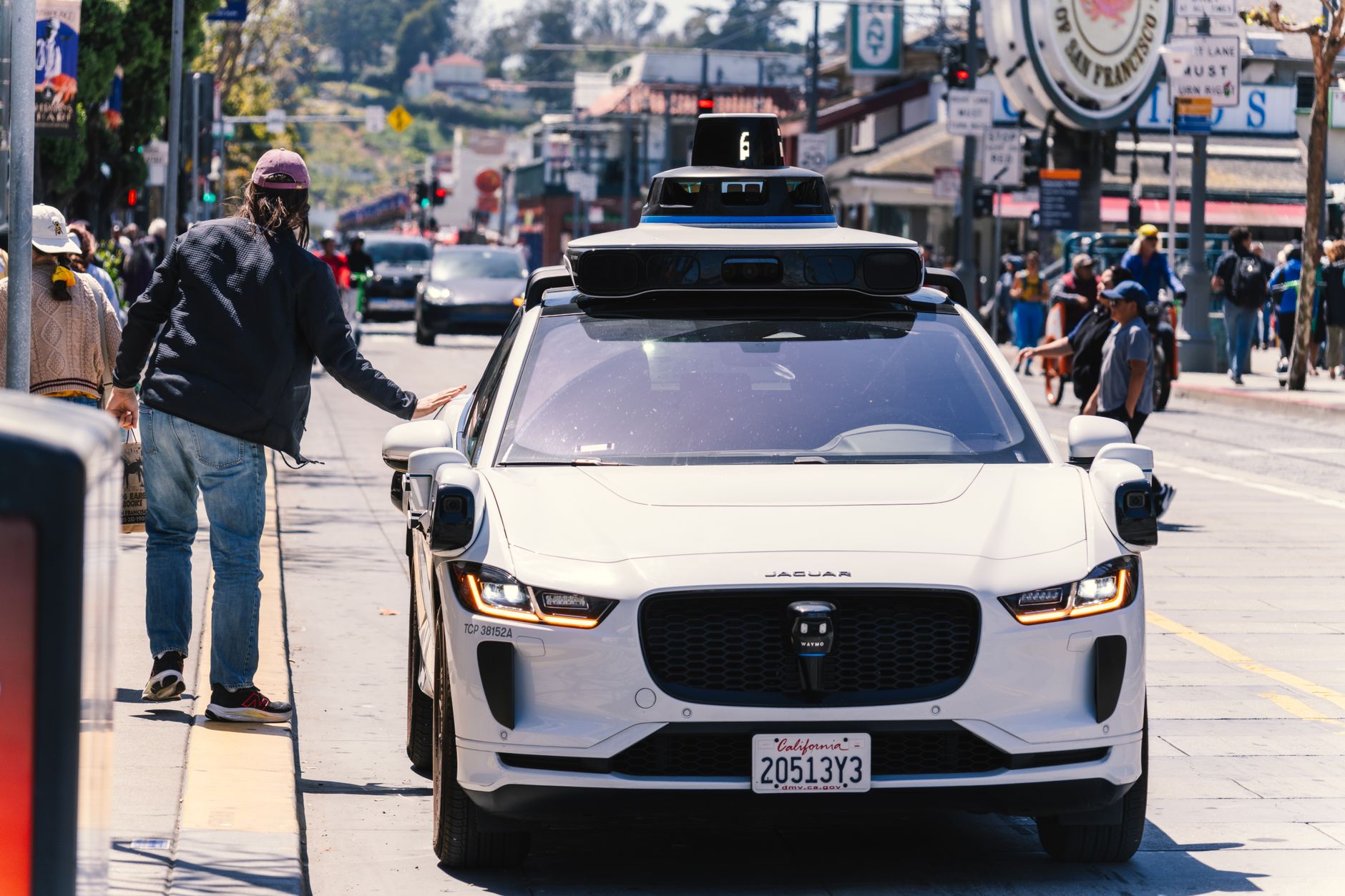
In a momentous decision that could reshape the future of transport in one of the world's most populous countries, India has approved new safety technology for autonomous vehicles. This approval is seen as a green light for the introduction of self-driving cars on the bustling and often chaotic roads of India.
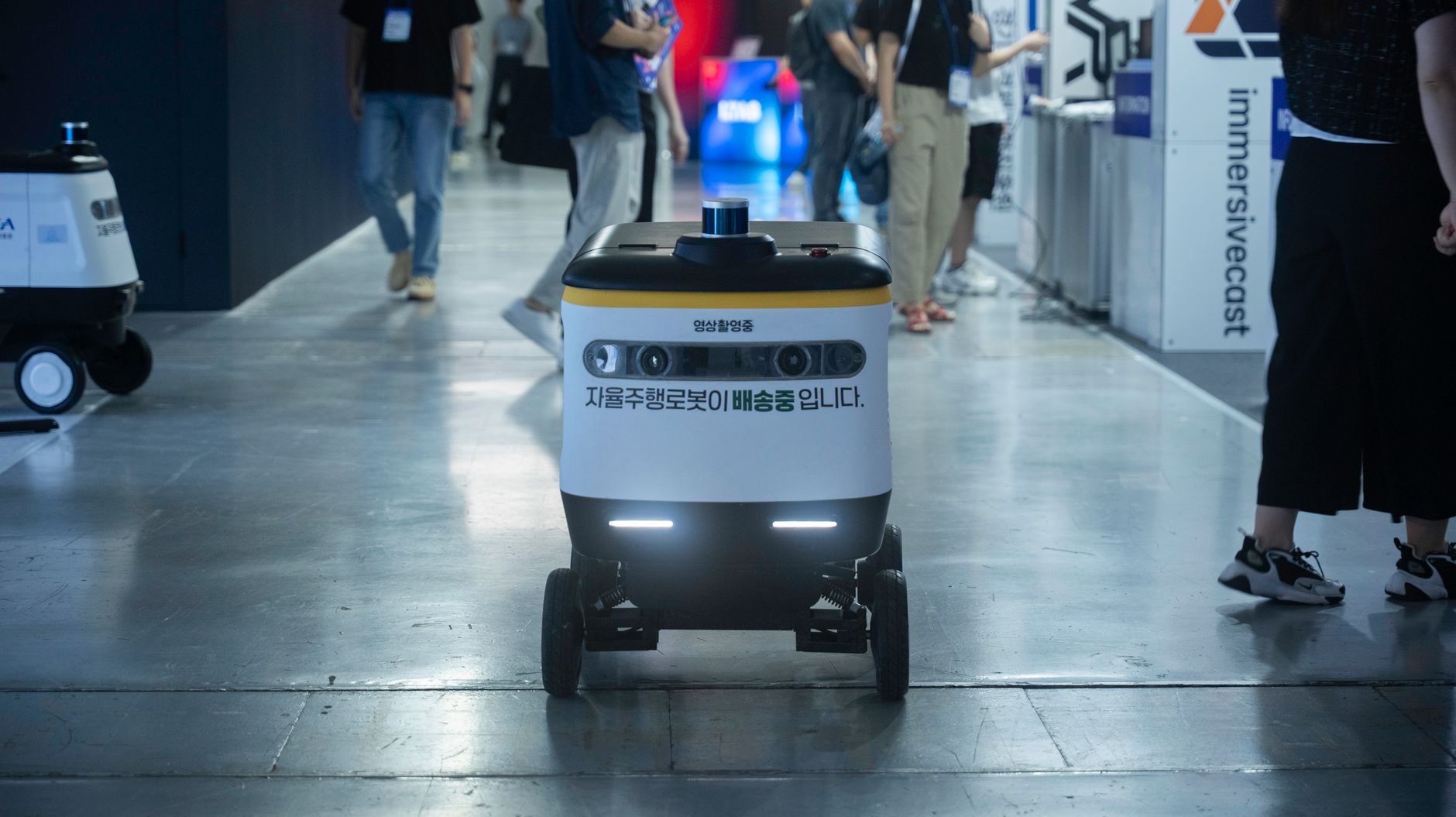
Autonomous vehicles, equipped with advanced 3D AI systems for navigation and obstacle recognition, promise to reduce the number of traffic accidents—many of which are attributed to human error. In a country where road fatalities have reached alarming levels, the integration of such technology offers a glimmer of hope.
The Technology Behind the Wheel
Self-driving cars utilise a combination of sensors, cameras, and artificial intelligence to navigate roads and interpret traffic signals. This technology allows vehicles to operate with minimal human intervention, adapting to the dynamic conditions of Indian traffic. The recent approval focuses on enhancing these systems' safety capabilities, ensuring they can effectively handle the complexities of India's road environments.
A Global Testbed
India's move towards autonomous vehicles could have significant implications on a global scale. As the country begins to integrate these technologies, it could serve as a critical testing ground for autonomous vehicle manufacturers worldwide, given its unique challenges such as dense traffic and diverse terrain.
The government's support for this technology indicates a clear recognition of its potential to revolutionise transport and improve road safety. However, it also raises questions about infrastructure readiness and the need for regulatory frameworks to manage this transition effectively.
While the journey towards fully autonomous vehicles on Indian roads is just beginning, the approval of new safety technology marks a promising start. It remains to be seen how quickly India can adapt to this transportation evolution, but the prospects are undeniably exciting.