India Mulls Expanding Petroleum Storage in Coastal Zones
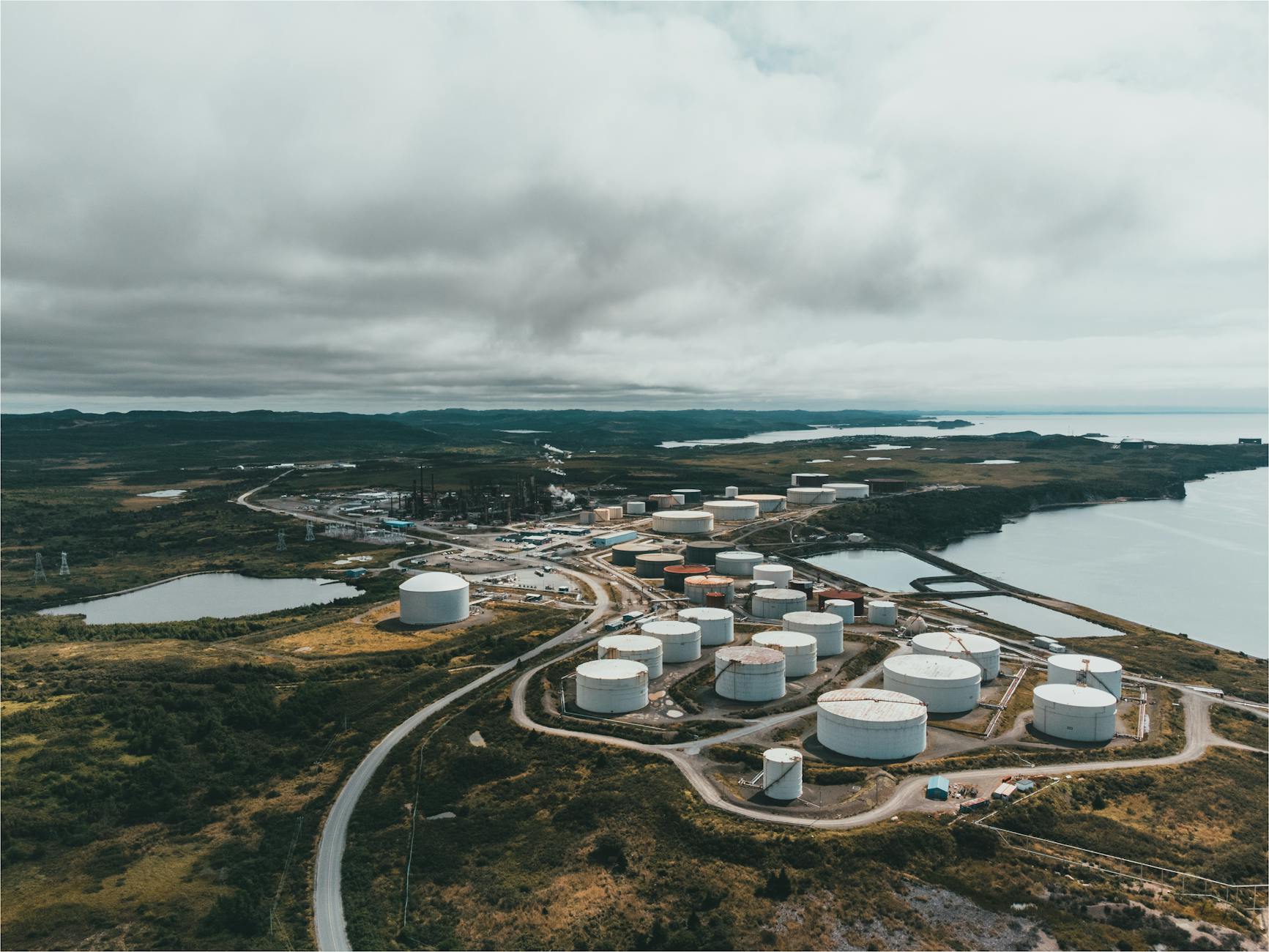
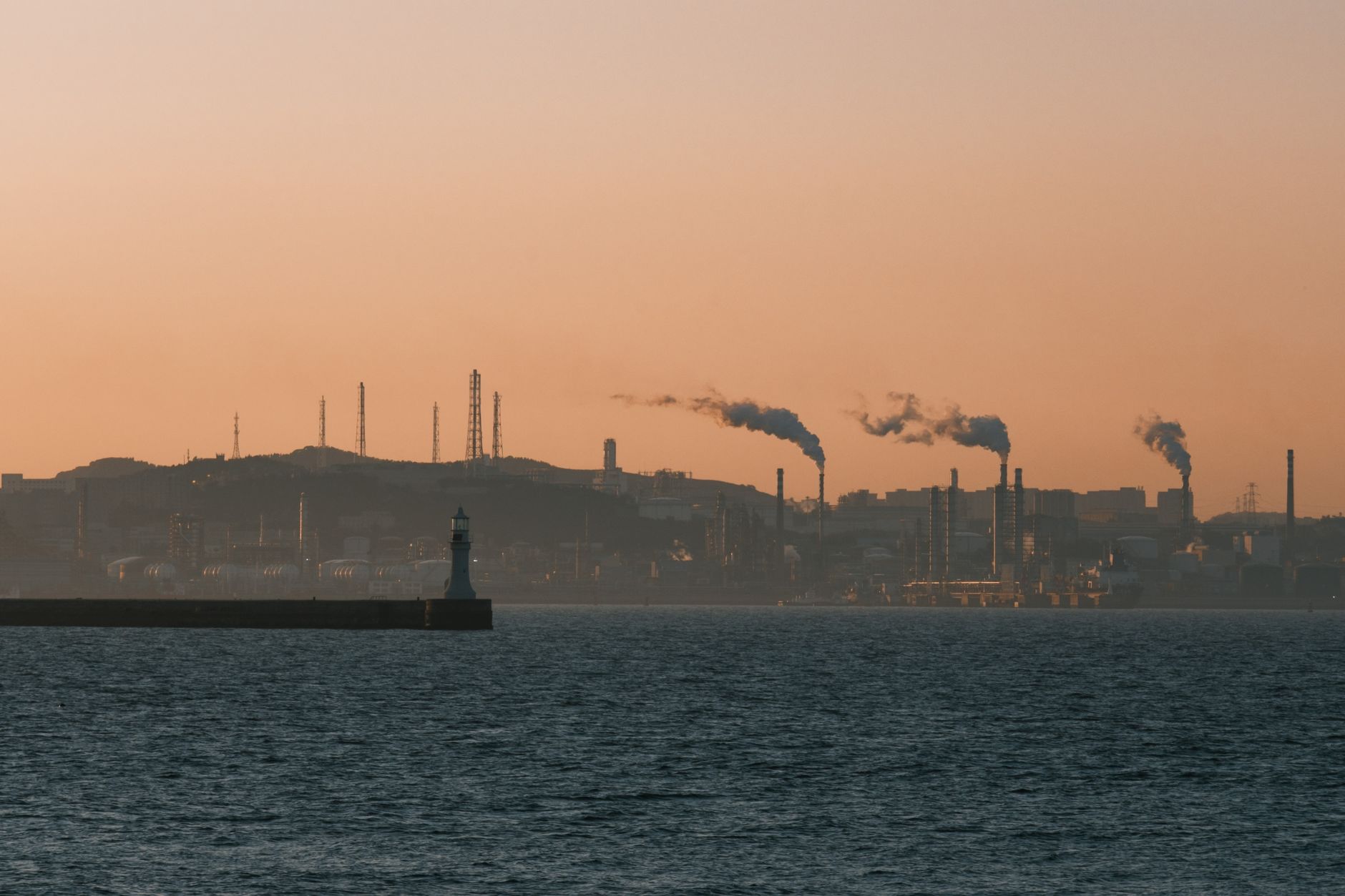
In a move that could reshape India's coastal industrial landscape, the Environment Ministry is considering allowing greater storage of petroleum products within designated Coastal Regulation Zones (CRZ). This potential policy shift has been prompted by recommendations from the National Coastal Zone Management Authority (NCZMA), which recently deliberated on the subject.
The proposal has sparked a flurry of reactions. Industry stakeholders are enthusiastic about the economic opportunities such an expansion could unlock, particularly in sectors reliant on petroleum derivatives. However, environmentalists raise alarms about the potential ecological impact on already fragile coastal ecosystems.
Balancing Growth and Conservation
The CRZ regulations, first introduced in 1991, were designed to protect India's diverse and vulnerable coastal environments from unchecked industrialisation. These zones impose restrictions on activities like construction and hazardous material storage within a certain distance from the shoreline.
The NCZMA's recent recommendation specifically excludes the most ecologically sensitive areas, known as CRZ-IA, from any storage expansion. Yet, concerns persist about the broader environmental implications.
Proponents argue that with stringent safeguards and modern technology, the environmental risks can be mitigated. The ministry's draft notice suggests that increased storage capacity could bolster the nation's energy security and support economic growth, particularly in coastal states.
Environmental Concerns
Critics, however, warn that even with modern safety measures, the threat of spills and leaks poses significant risks to marine biodiversity and coastal livelihoods. Past incidents of pollution in coastal areas have left lasting damage, underscoring the need for cautious advancement.
The conversation now turns to whether economic benefits can be achieved without compromising environmental integrity. The Ministry of Environment, Forest and Climate Change (MoEFCC) is expected to take a decision soon, with both industry and environmental groups keenly watching.
As India grapples with its dual goals of economic development and environmental stewardship, this decision could set a precedent for future policy directions.