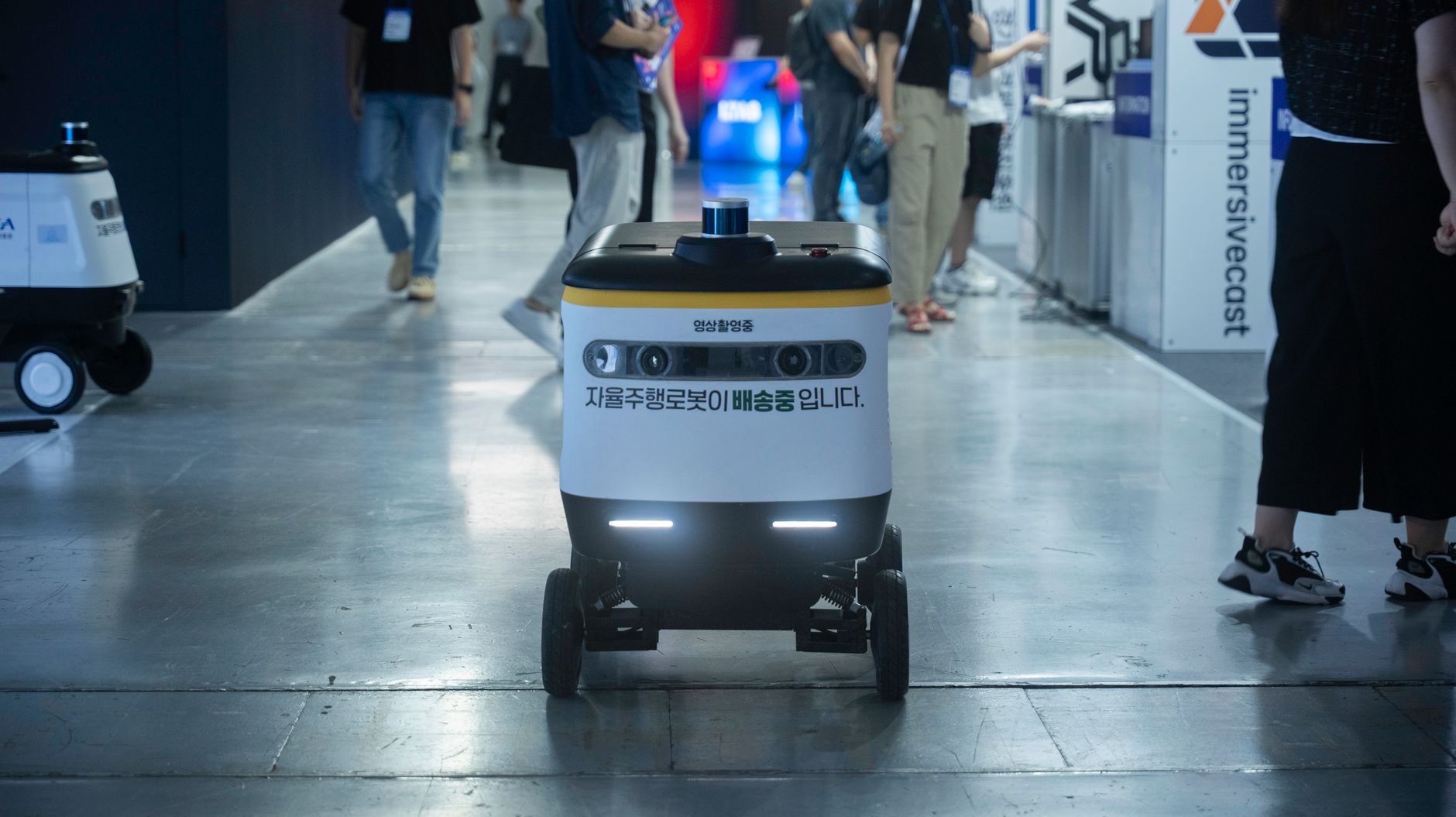
India Paves the Way for Driverless Cars with Regulatory Shift
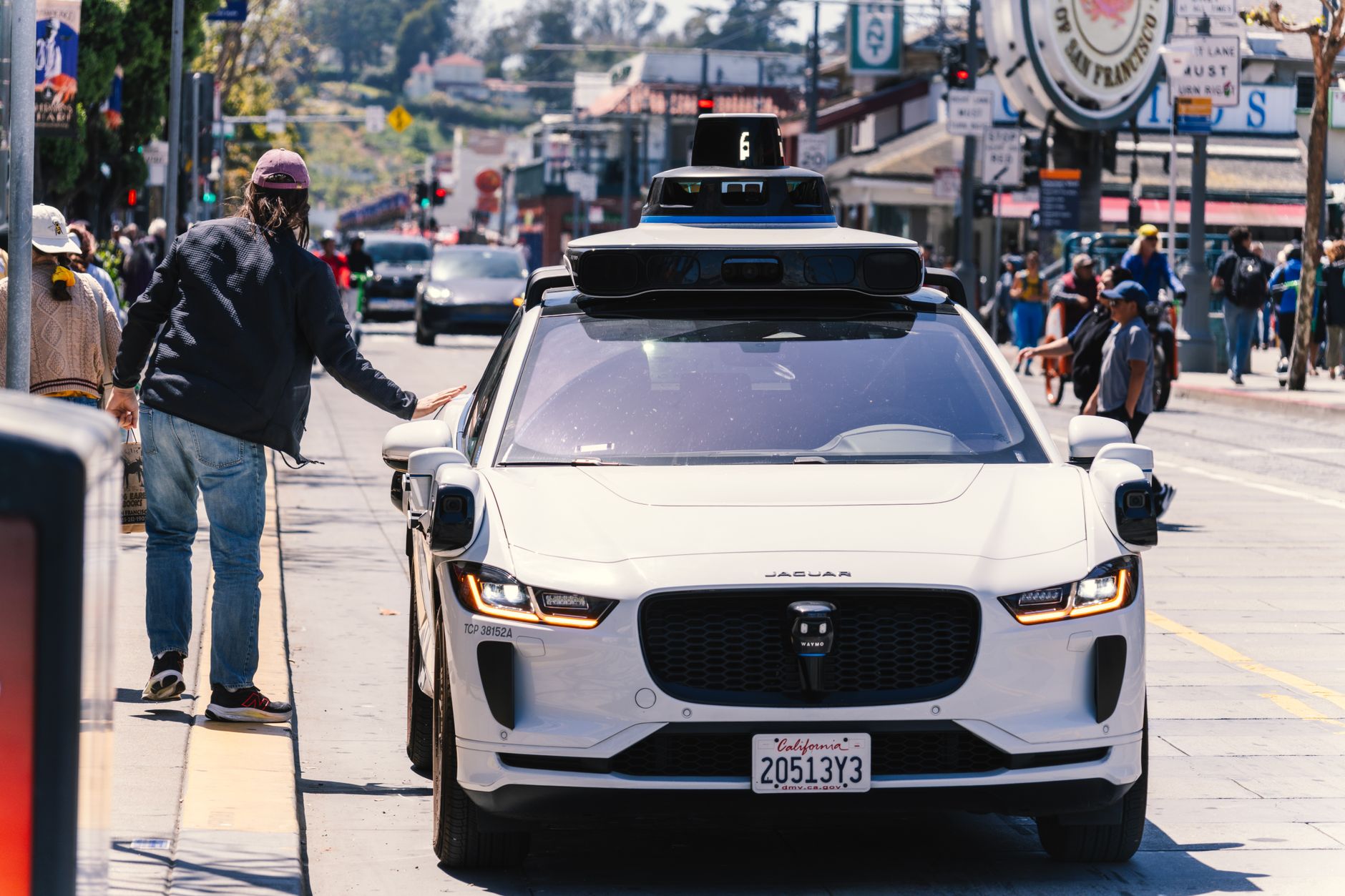
In a move that could reshape India's automotive landscape, the government has scrapped spectrum licensing requirements for critical automotive radar and V2X communication systems. This regulatory shift, announced just yesterday, is poised to accelerate the rollout of autonomous vehicles, aligning India with the United States and European Union where such frequencies are already standardised for vehicular use.
The decision unveils a new era for Indian roads, where driverless cars and advanced driver assistance systems (ADAS) could soon become a commonplace reality. Radar sensors, which are pivotal for features like emergency braking, adaptive cruise control, and blindspot detection, will now find it easier to be integrated into vehicles sold within the country.
Previously, the stringent licensing protocols had been a bottleneck, stifling innovation and delaying the adoption of cutting-edge safety technologies. By removing these barriers, India not only opens the doors to technological advancements but also takes a decisive step towards enhancing road safety.
Industry experts have lauded the government's decision, noting that autonomous and connected-car technologies have the potential to significantly reduce traffic accidents and improve traffic flow. The Indian automotive industry, which is one of the largest in the world, stands to benefit immensely from these advances.
Moreover, the deregulation is expected to spur investments in the sector, potentially leading to new partnerships and collaborations with global tech firms and automakers. As India embraces these technologies, it could serve as a blueprint for other developing nations looking to modernise their transport infrastructures.
While the road ahead is far from devoid of challenges — infrastructural readiness and public acceptance of autonomous vehicles remain key hurdles — this policy shift is undeniably a leap towards a tech-driven future. The government is optimistic that the changes will not only modernise India's automotive sector but also pave the way for a safer, more efficient transport system.