India Pioneers Hydrogen Production Using Nuclear Heat
Amidst the global quest for cleaner energy sources, India has unveiled a pioneering facility at Kalpakkam. This plant, the first of its kind, uses heat from a nuclear reactor to produce hydrogen, sidestepping the traditional reliance on electricity. The development has stirred excitement among scientists who view it as a beacon of hope for sustainable energy.
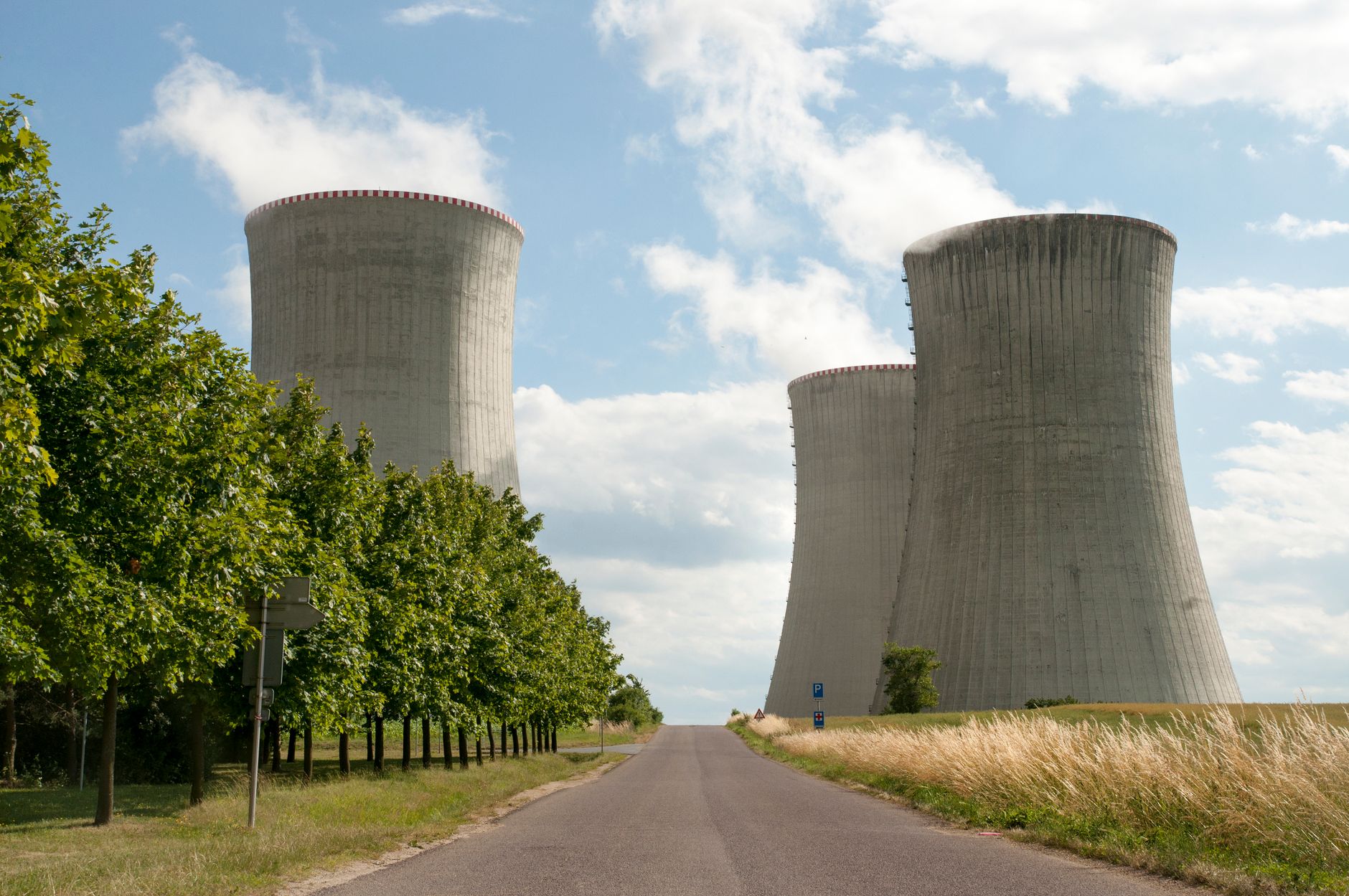
The facility, developed by the Bhabha Atomic Research Centre (BARC) and the Indira Gandhi Centre for Atomic Research (IGCAR), leverages the Fast Breeder Test Reactor's heat. This method, known as the copper-chlorine cycle, promises a cleaner and more efficient way to produce hydrogen—a fuel touted as pivotal for a carbon-neutral future.
A Clean Energy Breakthrough
Hydrogen, often hailed as the 'fuel of the future', is particularly appealing for sectors that are notoriously hard to decarbonise. Traditionally, producing hydrogen requires significant electricity, often derived from fossil fuels, thus negating some of its environmental benefits. However, India's nuclear heat route circumvents this issue, offering a truly green solution.
This initiative is not merely a technological triumph but also a strategic move in India's clean energy agenda. By reducing dependency on fossil fuels, the nation takes a significant stride towards meeting its climate commitments. The implications are vast, not just for India but for the global energy landscape.
Implications for Global Energy
The significance of this development cannot be overstated. As nations grapple with the urgent need to cut carbon emissions, India's success in using nuclear heat for hydrogen production sets a precedent. It showcases the untapped potential of nuclear energy, extending its use beyond electricity generation to play a crucial role in the green energy transition.
With this breakthrough, India positions itself as a leader in innovative clean energy solutions. The world will be watching closely as this technology evolves, potentially paving the way for similar initiatives globally. Indeed, this endeavour may well define the future contours of sustainable energy practices.