India to Enhance Digital Literacy by Hiring 3,000 Computer Science Teachers
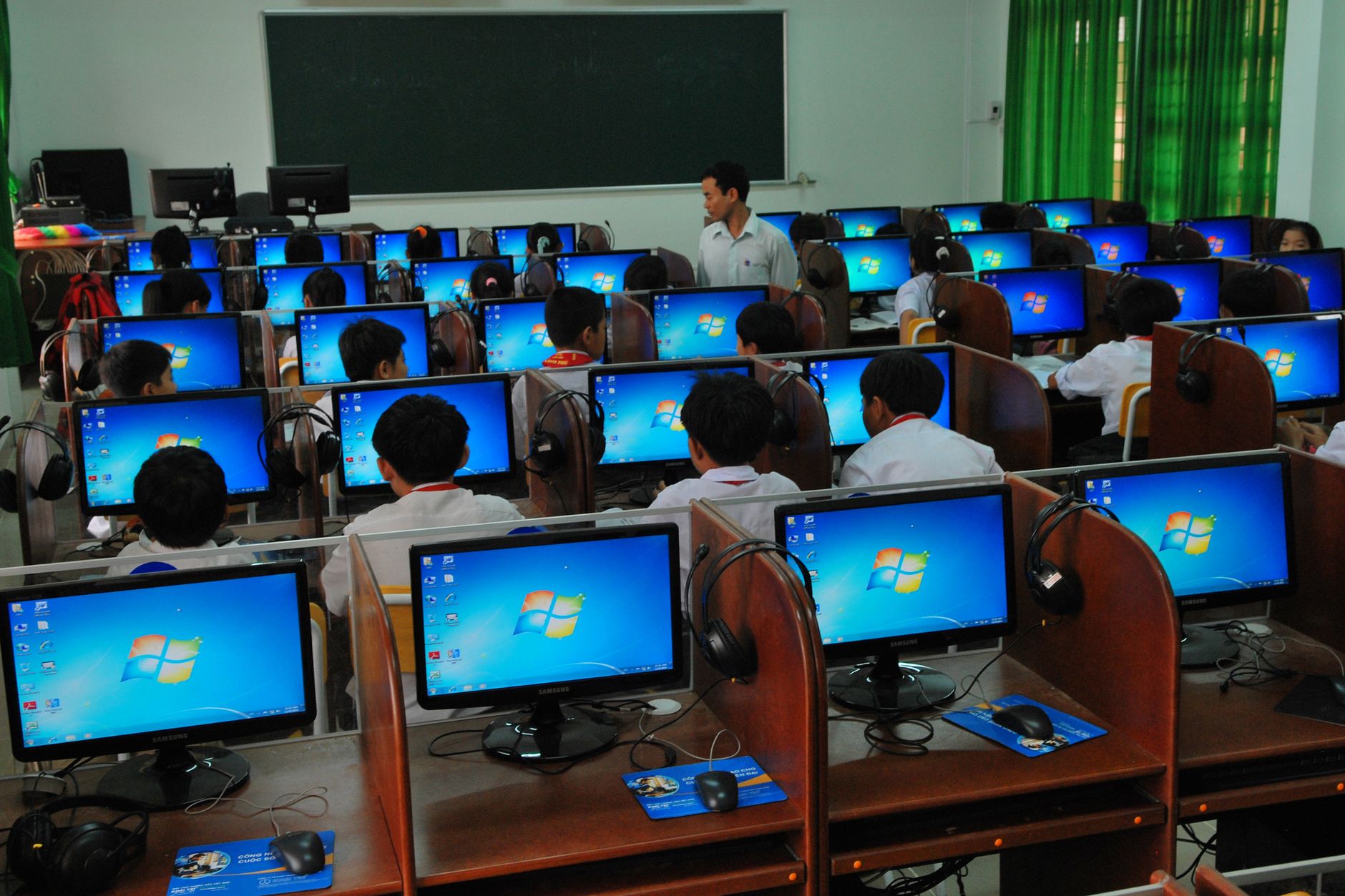
In an ambitious effort to integrate technology into the fabric of Indian education, the Department of School Education and Literacy (DSEL) has unveiled plans to appoint approximately 3,000 computer science teachers across government schools. This recruitment drive, aimed at teaching students from class 1 to 10, is poised to revolutionise the way technology is perceived in classrooms.
The initiative is part of a broader strategy to equip young minds with the skills necessary to navigate an increasingly digital world. By introducing computer science at an early stage, the government hopes to not only enhance digital literacy but also foster a generation of technologically adept individuals. This move is expected to bridge the digital divide that persists in many parts of the country.
Government teaching positions have long been coveted in India, offering job security and a chance to make a significant impact on society. The demand for skilled educators, particularly in the field of computer science, has seen a marked increase, reflecting the growing importance of technology in everyday life. Prospective candidates are likely to find these positions highly attractive, given the pivotal role they will play in shaping the future of India's educational landscape.
A Step Towards Digital Empowerment
This recruitment drive aligns with larger governmental initiatives such as School Education Shagun, which aims to improve the school education system across the nation. The term 'Shagun' itself embodies the union of schools ('Shala') and good ('Gun'), symbolising the vision of a comprehensive educational framework.
Moreover, this decision comes at a time when digital skills are increasingly becoming prerequisites for various career paths. By investing in computer science education at the grassroots level, the government is taking a proactive approach to ensure students are not left behind in a rapidly evolving digital economy.
Challenges and Opportunities
While the initiative is commendable, it does not come without its challenges. Recruiting such a large number of qualified teachers in a short span is a formidable task. The government will need to ensure that the recruitment process is efficient and transparent to attract the best talent available.
Furthermore, there is the question of infrastructure. Adequate facilities and resources must be in place to support the new curriculum. Schools, particularly in rural areas, may require significant upgrades to accommodate computer science classes effectively.
Despite these hurdles, the potential benefits are immense. With a robust computer science education programme, students will gain critical thinking skills and problem-solving abilities, preparing them for future challenges. This initiative, if successful, could serve as a model for other nations grappling with similar educational challenges.