Indian Citizen Scientists Illuminate Cosmic Mystery
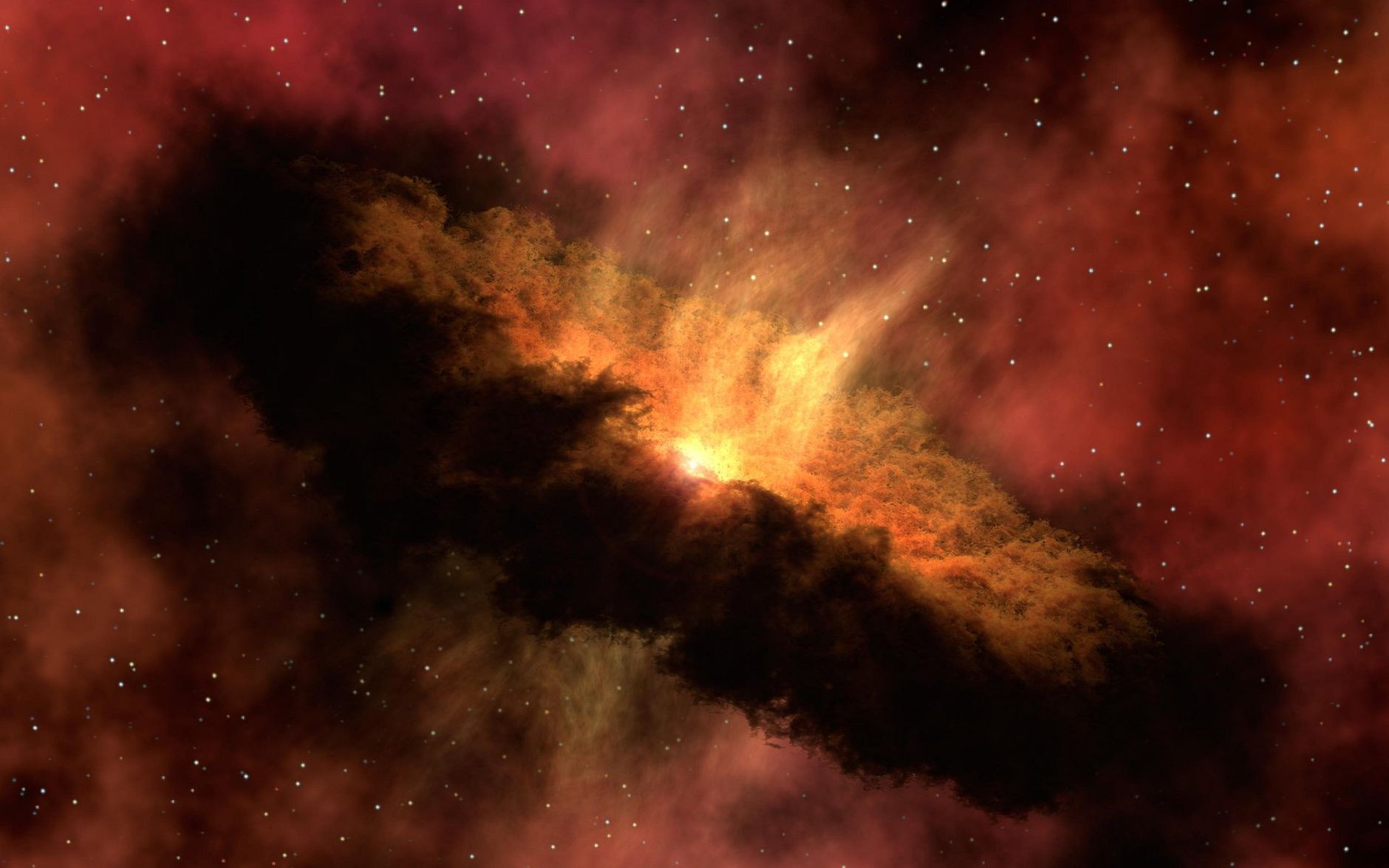
In a remarkable confluence of curiosity and technology, a network of Indian citizen scientists has brought to light a cosmic phenomenon that has evaded clear observation until now. This revelation, which has sent ripples through the global scientific community, underscores the power of collective human intellect and the democratisation of science.
The Power of Collective Curiosity
Armed with little more than enthusiasm and basic astronomical tools, these citizen scientists form a part of a growing movement that blurs the lines between professional and amateur in the scientific realm. Their recent achievement highlights how ordinary individuals can make extraordinary contributions when curiosity is combined with community effort.
Using innovative data collection methods, these amateur astronomers have succeeded where sophisticated technologies have faltered. Their findings were not merely serendipitous; they stem from meticulous planning and collaboration, illustrating the potential of crowdsourcing in science.
Implications for Science and Society
Beyond the immediate scientific implications, this discovery serves as a potent reminder of the importance of public participation in science. It challenges the notion that significant scientific discoveries are the sole domain of professionals with advanced degrees and expensive equipment. Instead, it advocates for a more inclusive approach to scientific inquiry.
The phenomenon observed, though technical in nature, has been made accessible to a wider audience, further bridging the gap between science and society. This could inspire a new generation of citizen scientists, eager to contribute to the expanding frontier of human knowledge.
As the details of this cosmic revelation continue to unfold, the Indian citizen science network stands as a testament to the untapped potential of citizen-led scientific exploration. Their success not only enriches our understanding of the universe but also redefines the boundaries of who can contribute to science.