Indian Housewives Pioneering AI Training for Household Robots
In the bustling town of Karur, Tamil Nadu, a curious scene unfolds each day in the home of Nagireddy Sriramyachandra. With a smartphone perched on her head, she meticulously films herself as she slices through ripe mangoes, chops vegetables, and performs other household tasks. This is not a quirky social media trend but a deliberate effort to train the next generation of AI-powered robots.
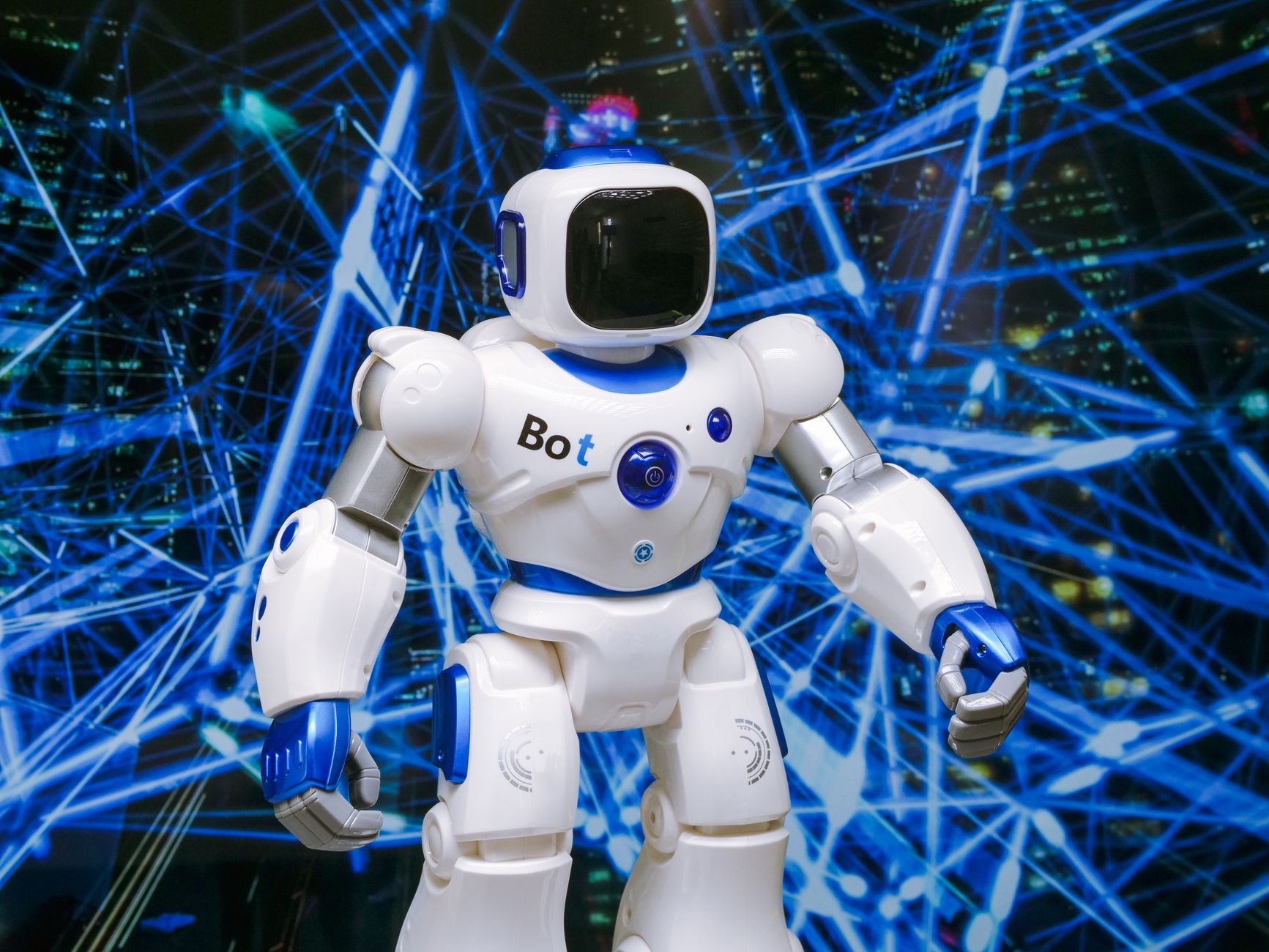
These videos, capturing the nuances of domestic chores, are part of a burgeoning initiative to programme robots capable of mimicking human actions. The idea is simple yet profound: replicate the dexterity and decision-making of humans in robots to eventually offload mundane tasks.
Redefining Household Roles
This initiative is not just about convenience. As AI technology advances, it is poised to redefine traditional household roles. The prospect of robots managing everyday chores may liberate many from repetitive tasks, offering more time for personal pursuits. However, this shift also raises significant questions about the future of human labour, especially in a country like India where domestic help is commonplace.
Supporters of this technological leap argue that it can lead to an enhancement in quality of life, transforming how individuals spend their time. Detractors, however, worry about the potential implications for employment and the erosion of certain skills.
The Broader Implications
While the focus remains on domestic environments, the implications of such technology extend far beyond. As these AI systems become more sophisticated, their use in various industries could revolutionise how tasks are performed, leading to increased efficiency and productivity. Yet, this revolution comes with the challenge of ensuring that the workforce adapts accordingly.
For now, women like Nagireddy continue to document their daily routines, contributing to a project that might one day change the fabric of household life. Whether this will indeed lead to a utopian vision of leisure remains to be seen, but the wheels of innovation are undoubtedly in motion.