Indian Innovations Tackle Antibiotic Resistance with Global Backing
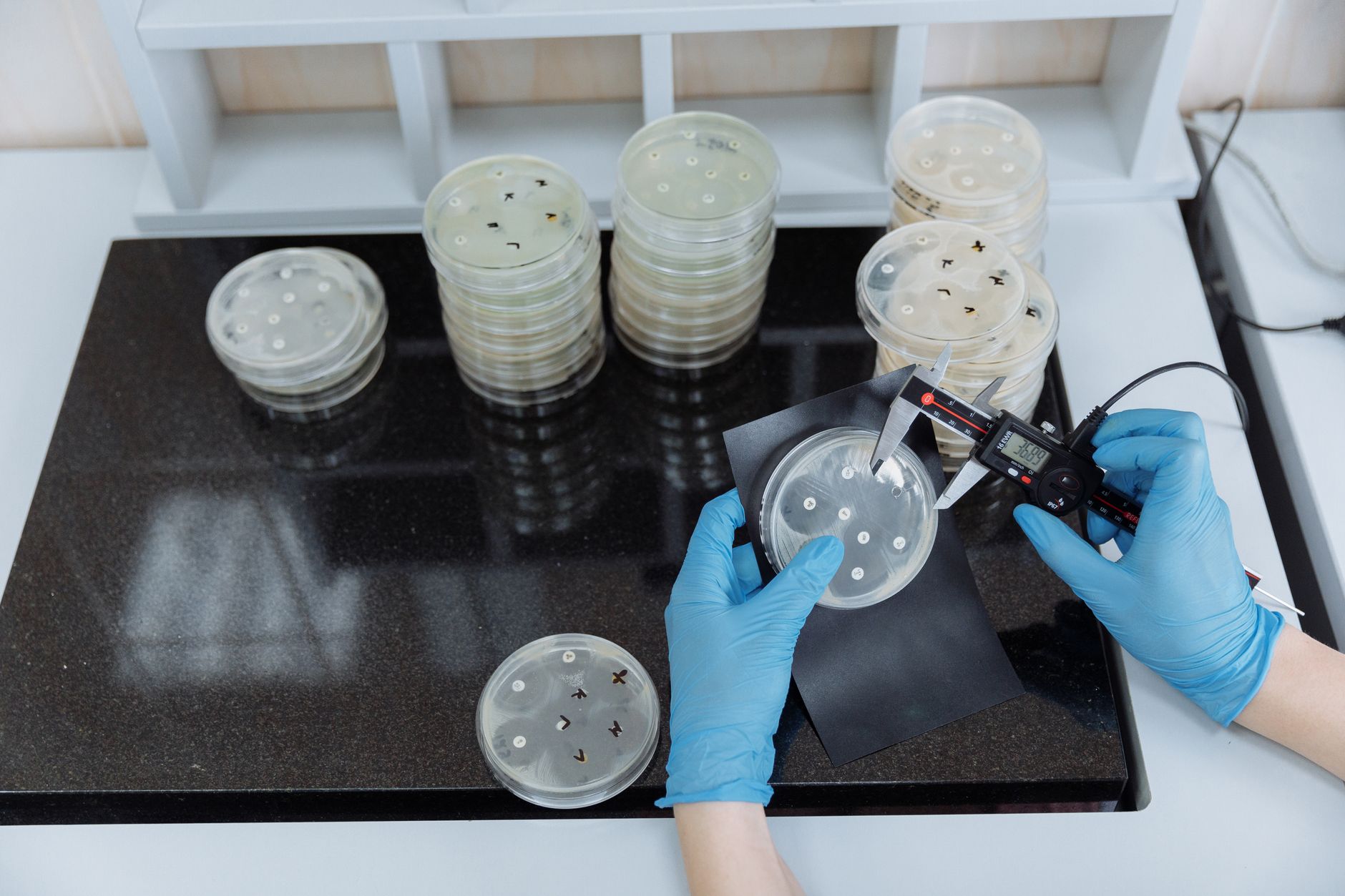
Antimicrobial resistance (AMR) has emerged as a formidable challenge, threatening to undo years of medical progress. In a bid to stem this tide, the Global AMR Fund has selected twelve Indian innovations for funding and mentorship, marking a pivotal step in the battle against antibiotic resistance.
The chosen projects, which include both startups and research institutions, have been handpicked under a collaborative India-UK programme designed to foster technological advancements aimed at tackling AMR in the environment. This initiative comes on the heels of the UN General Assembly's recent deliberations on AMR, underscoring the global urgency of the issue.
India, grappling with some of the highest resistance rates worldwide, faces a daunting challenge. The rampant misuse and overuse of antibiotics, coupled with a high burden of infectious diseases and inadequate healthcare infrastructure, have exacerbated the problem. The Global AMR Fund's support is poised to galvanise efforts in curbing this menace.
Innovation at the Forefront
Amongst the selected are solutions ranging from waste management technologies to novel drug development methods. These innovations not only promise to mitigate environmental AMR but also hold the potential to revolutionise how antibiotic resistance is addressed globally.
Henry Skinner, the head of the AMR Fund, expressed optimism about the programme's potential impact. "India's contributions in this arena are crucial, given the scale of the problem here. These innovations could set a precedent for other nations battling similar issues," he remarked.
A Broader Perspective
The significance of this initiative extends beyond its immediate goals. AMR not only compromises the effectiveness of life-saving antibiotics but also poses a threat to global health security. By investing in innovative solutions within low- and middle-income countries like India, the Global AMR Fund is addressing the root causes of resistance in resource-limited settings.
As the world watches, these twelve Indian projects stand at the forefront of a critical movement to safeguard the efficacy of antibiotics for future generations. The collaboration between India and the UK serves as a model for international cooperation in the face of shared global health threats.