Indian Ministers Face Scrutiny Over Children Studying Abroad
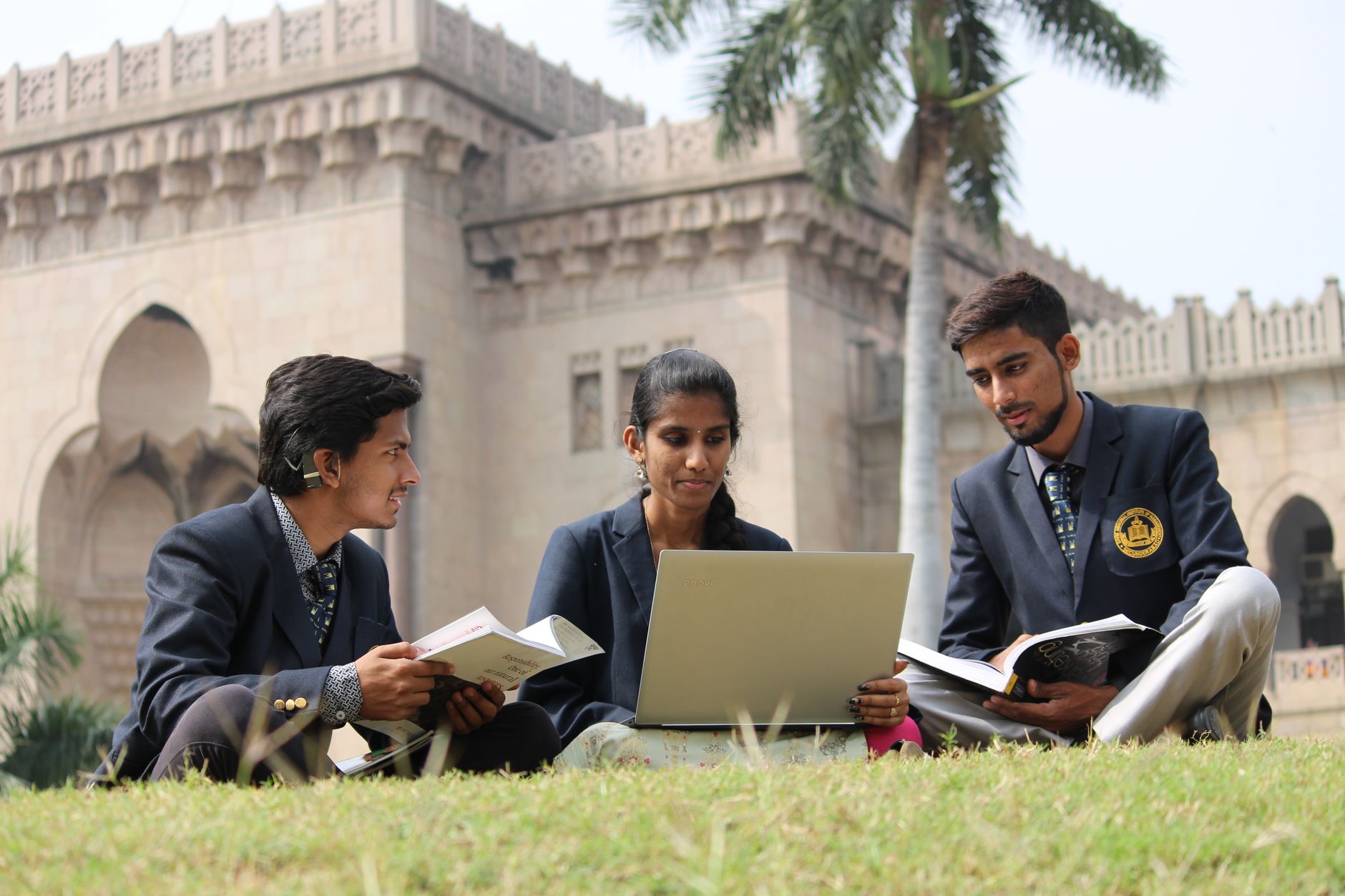
In the shadow of India's ongoing education crisis, a conspicuous trend has emerged: the children of cabinet ministers opting for foreign universities over domestic institutions. This choice, while not illegal, has sparked widespread criticism and debate about the accessibility and quality of India’s higher education system.
For years, the chaos surrounding India's entrance exams has driven many to seek educational refuge abroad. The recent statistics reveal a significant jump in Indian students choosing to study in the United States, with numbers rising by nearly 30% within a year. This surge has been accompanied by a decline in students opting for domestic higher education, despite government initiatives aimed at promoting local institutions.
The Growing Divide
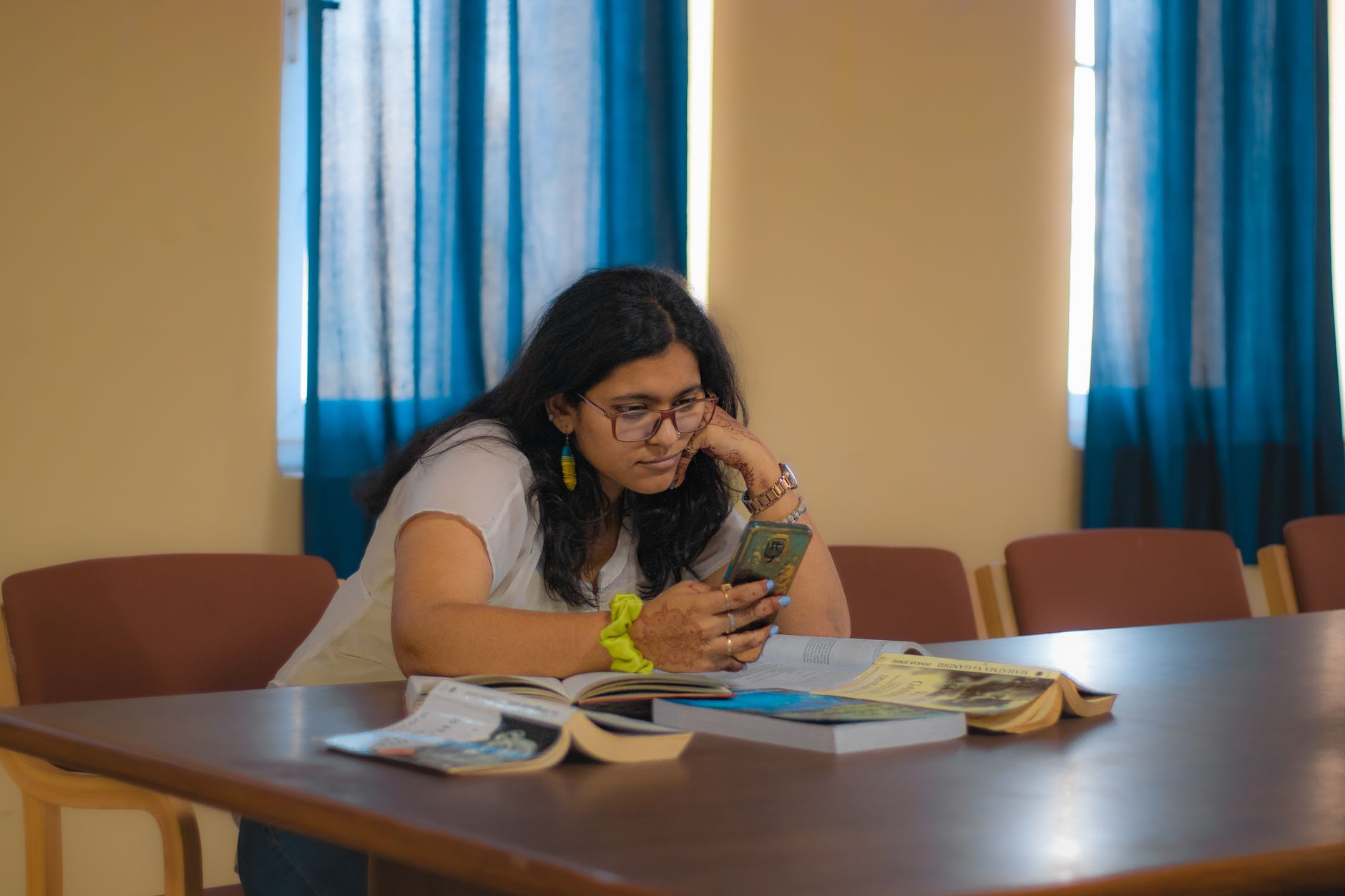
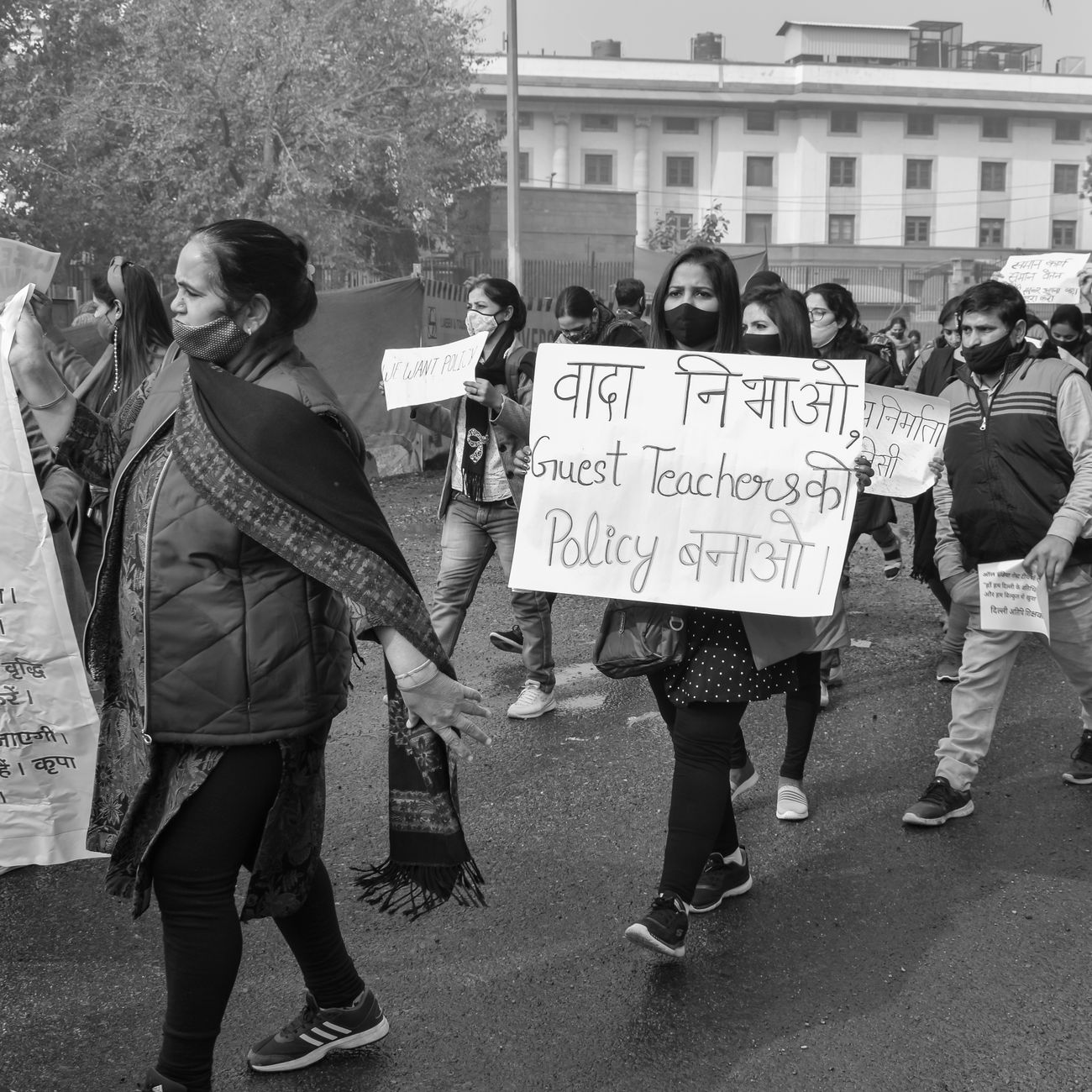
The allure of studying abroad is not limited to the offspring of politicians. It reflects a broader trend among India’s youth, who are increasingly disillusioned with the systemic issues plaguing their own education system. From unpredictable exam schedules to allegations of corruption, the challenges are manifold.
Yet, when the children of those in power choose foreign universities, it signals a troubling lack of confidence in the very system they are meant to oversee. Critics argue that this trend underscores a larger problem: if India's leaders do not trust the education system, how can they expect ordinary citizens to do so?
Policy and Perception
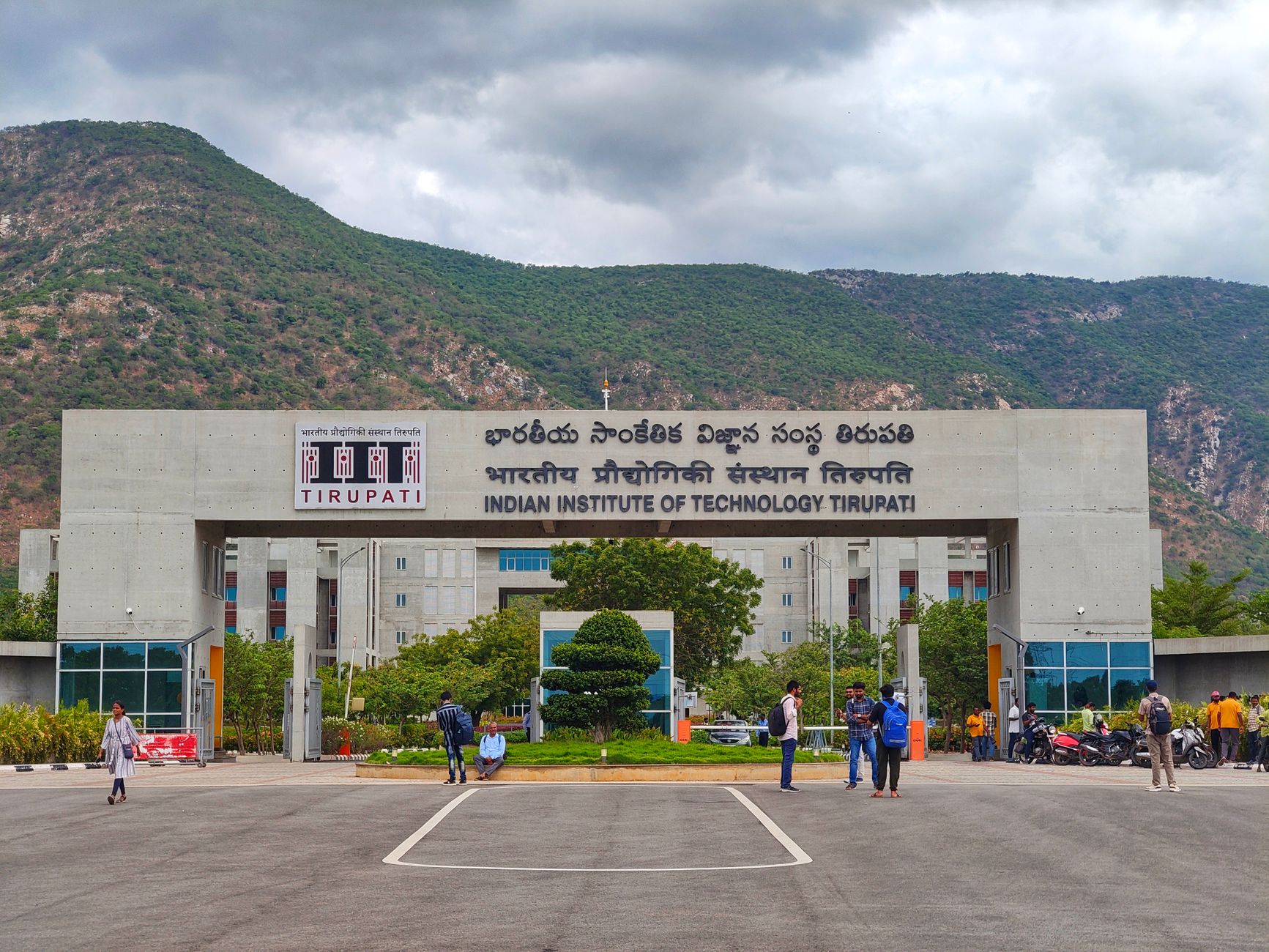
The government has made attempts to rectify the situation with programmes that offer scholarships and fee concessions at Indian institutions. However, these measures have had limited success in reversing the tide. The perception of a superior quality of education abroad continues to draw students away from India.
In response to the growing criticism, some ministers have defended their choices, citing the global exposure and diverse opportunities that foreign universities offer. Yet, this defence does little to address the underlying issues. Until the domestic education system is reformed to match international standards, such criticisms are likely to persist.
Ultimately, the question remains: can India build an education system that not only retains its students but also earns the trust of its leaders?