Indian Ministers Face Scrutiny Over Children's Overseas Education

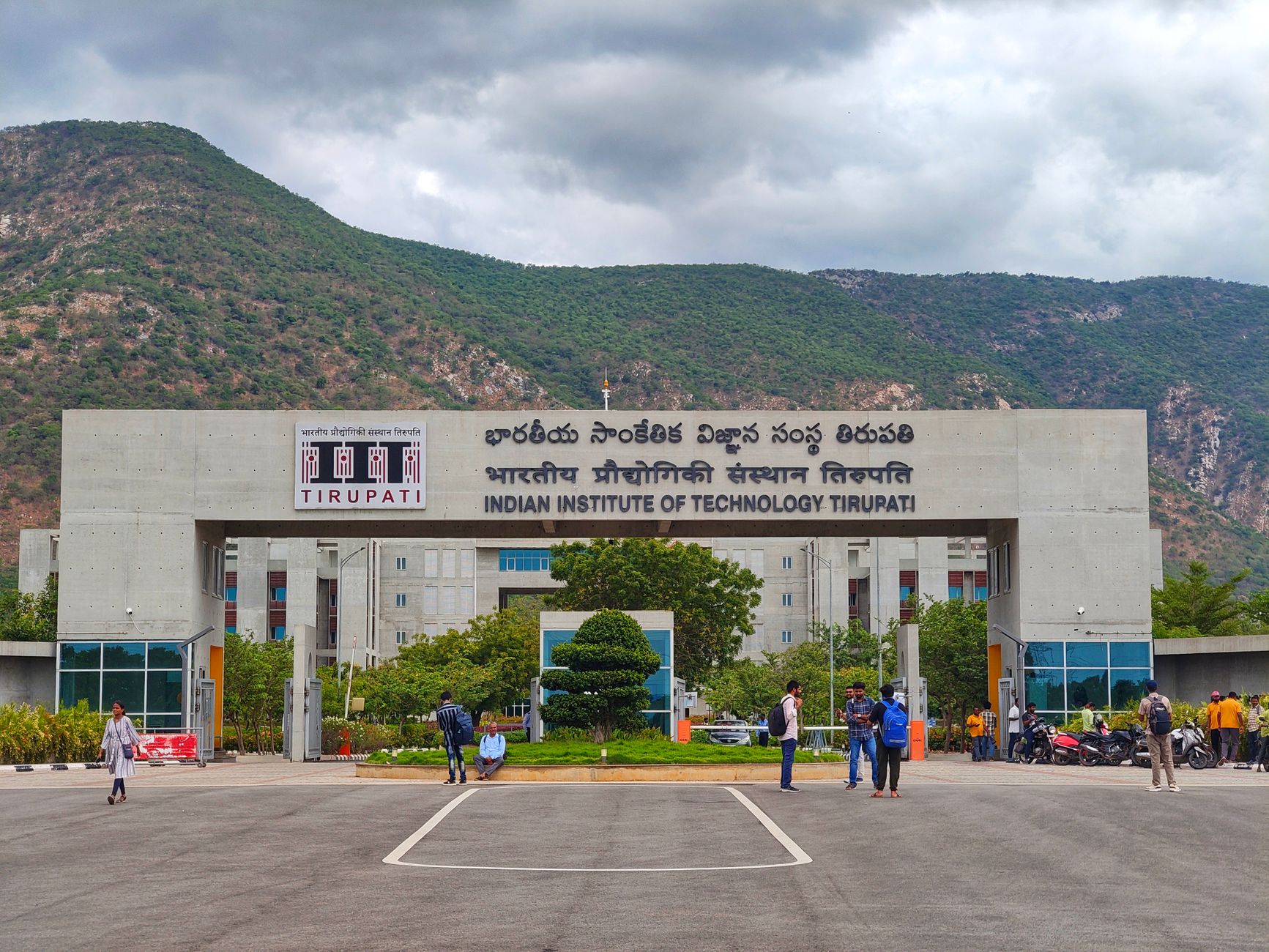
In a scene reminiscent of a satire, Indian cabinet ministers extol the virtues of the nation's universities, while their own progeny pack their bags for the likes of Oxford, Harvard, and Stanford. This dichotomy has become a focal point in debates over the state of education in India. The situation is not merely a matter of personal choice but a reflection of systemic issues within the Indian educational framework.
A recent report highlighted that 20-30% of children of Indian politicians and celebrities seek higher education abroad. This trend prompts a critical examination of the quality and global competitiveness of Indian institutions. While the government touts initiatives to bolster domestic education, the preference for foreign universities by those in power suggests a lack of faith in these efforts.
What Drives the Exodus?
The allure of international exposure, perceived superior quality of education, and better career prospects are often cited as reasons for this academic exodus. Yet, it paints a paradoxical picture when juxtaposed with the government's 'Study in India' campaigns. The irony is not lost on the public, who are left questioning the sincerity of these endorsements.
Moreover, this trend underscores broader socio-economic disparities. For many Indian families, sending a child abroad is a distant dream due to financial constraints. In contrast, the political elite's ability to afford such education abroad further widens the gap between different social strata.
Implications for India's Educational Future
The choices of these ministers could potentially shape public perception and policy. If India is to genuinely become a global educational hub, it must address the root causes that drive students away. This includes improving infrastructure, fostering research and innovation, and ensuring that Indian universities are equipped to offer world-class education.
Ultimately, the dual narrative of advocating for local education while opting for foreign alternatives exposes a critical fault line. As India aspires to be a global leader, it must reconcile these inconsistencies and work towards a more robust and inclusive educational system.