India's Ambitious Plan to Reintroduce Tigers in West Bengal
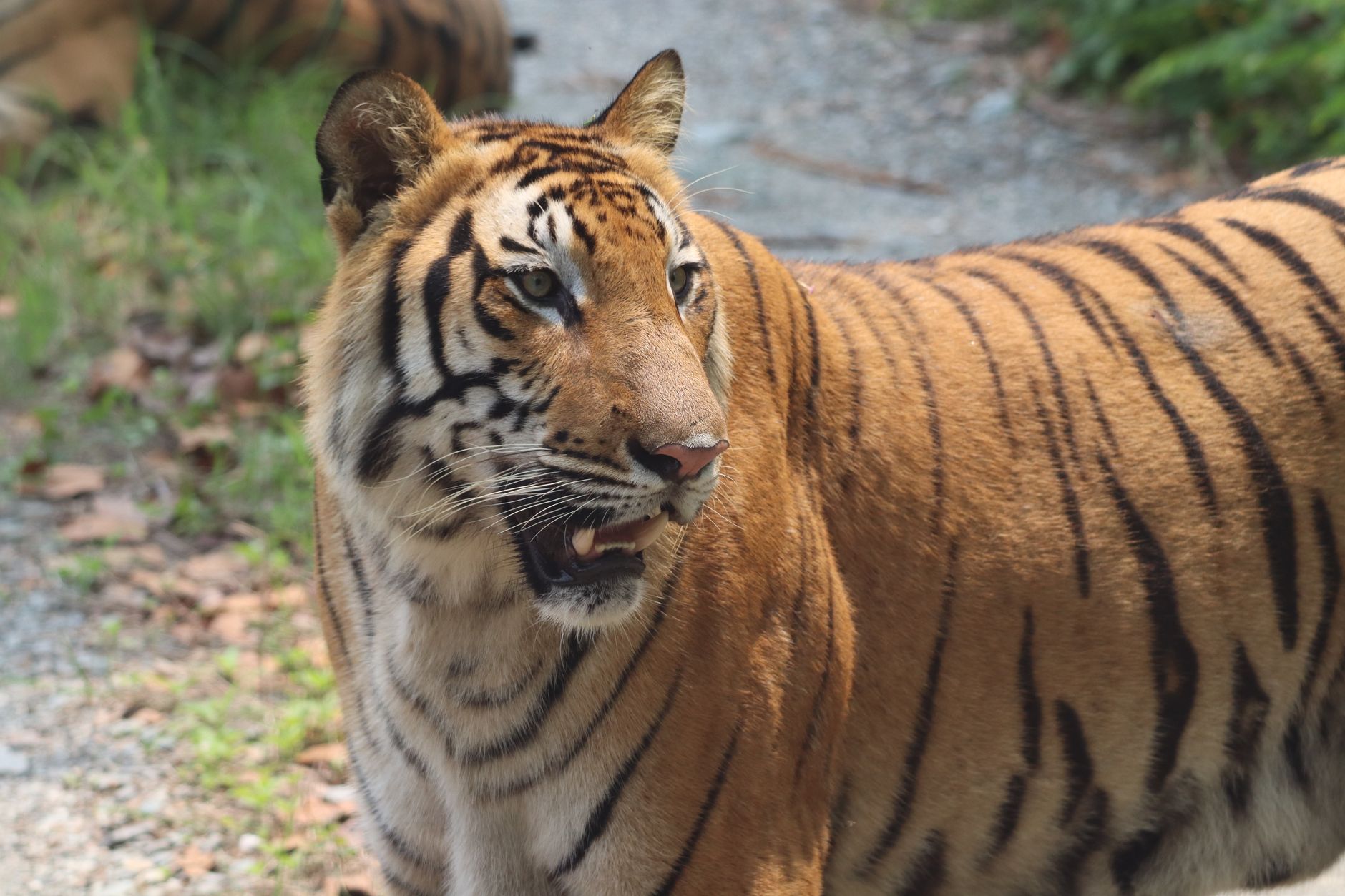
In a bold move that could reshape the ecological landscape of West Bengal, the Indian government is contemplating the reintroduction of tigers into the state's verdant habitats. Union Environment Minister Bhupender Yadav announced this potential initiative, emphasising that it would be grounded in meticulous scientific planning and conducted in close consultation with wildlife experts.
The prospect of tigers roaming once more in West Bengal stirs both excitement and a touch of apprehension. Tigers, once native to the region, have seen their numbers dwindle due to habitat loss and poaching. Reintroducing this apex predator could restore the balance in the ecosystem, offering a lifeline to the state's rich but endangered biodiversity.
Scientific Planning at the Forefront
Minister Yadav assured that any reintroduction effort would be approached with caution. “We will ensure every step is backed by scientific evidence and expert advice,” he stated. This methodology is crucial, given the complexities of reintroducing a species as majestic and powerful as the tiger. The initiative would likely involve identifying suitable habitats and ensuring that local communities are prepared and involved in the process.
Potential Benefits and Challenges
The potential benefits of reintroducing tigers are manifold. Besides bolstering biodiversity, the move could stimulate eco-tourism, providing economic benefits to the region. However, the challenges are equally significant. Ensuring that tigers have enough prey and territory to thrive, while also managing human-wildlife conflict, will require careful planning and continuous monitoring.
The initiative comes at a time when the conservation of tigers has taken on global significance. India, home to the majority of the world's wild tigers, has been at the forefront of tiger conservation efforts. The success of this programme could serve as a model for similar initiatives in other regions.
As the Centre explores this ambitious plan, the eyes of conservationists around the world will be watching closely. If successful, the reintroduction of tigers in West Bengal could signal a new era in wildlife conservation, one that balances ecological needs with human interests.