India's Bisleri Shines at SACEP Forum in Nepal
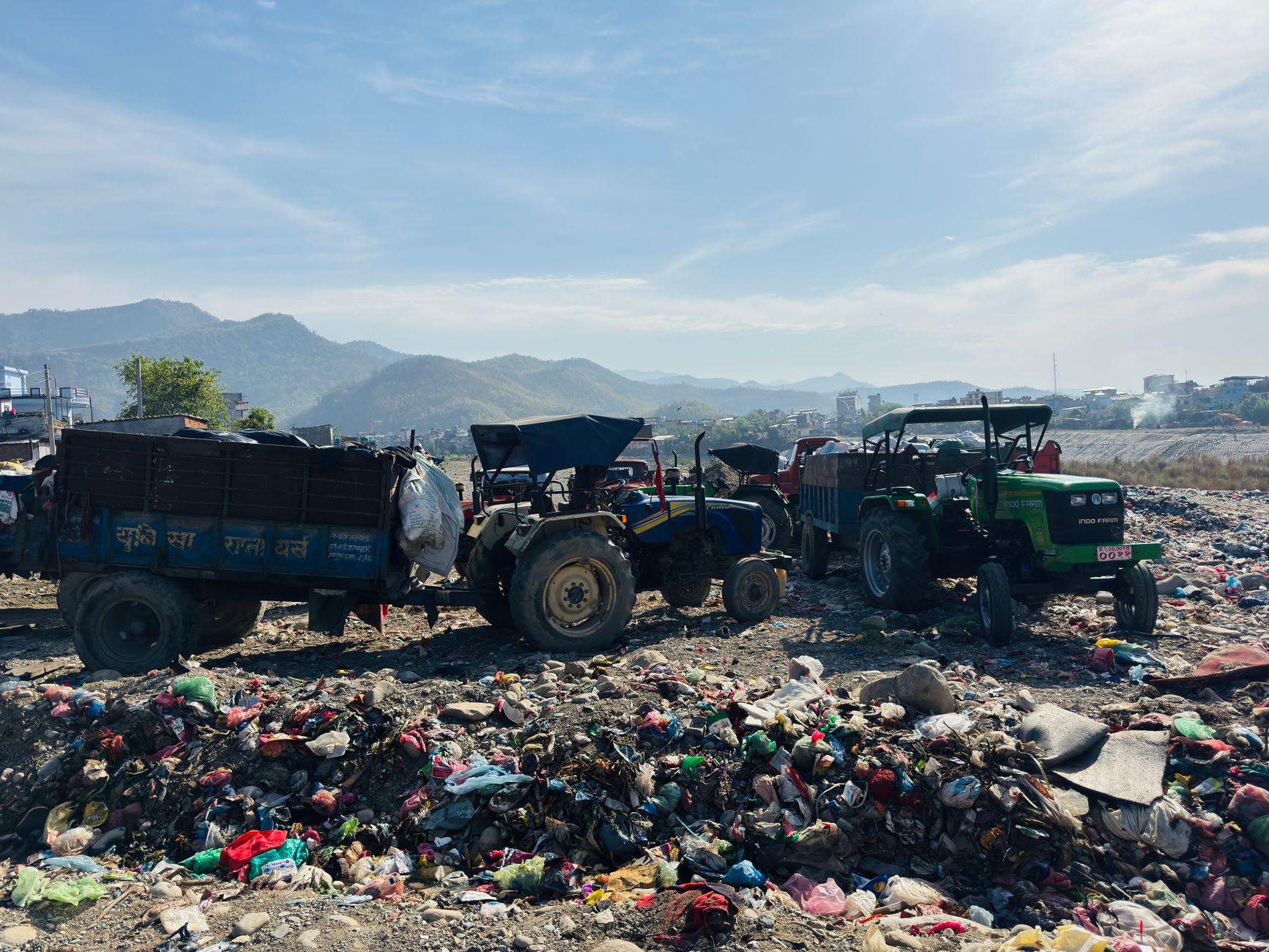
In the heart of Kathmandu, amidst the blend of tradition and modernity, the South Asia Co-operative Environment Programme (SACEP) convened, bringing together environmental representatives from across the region. Amongst them, India's Bisleri stood out, not merely as a participant but as a vocal advocate for transformative environmental policies.
Mr. Ganesh, representing Bisleri, addressed the forum with a focus on the circular economy, a model gaining traction for its potential to reduce waste and promote sustainability. His presentation on Extended Producer Responsibility (EPR) regulations and their alignment with emerging plastic credit mechanisms was met with keen interest.
Aligning EPR with Plastic Credits
The discussion was timely, given the increasing global scrutiny over plastic pollution. EPR mandates that producers are accountable for the entire lifecycle of their products, especially in terms of waste management. By integrating plastic credit systems, companies can offset their plastic footprints, fostering an environment where economic and ecological interests align.
Bisleri's involvement in such high-level discourse underscores India's growing role in regional environmental leadership. Mr. Ganesh's insights provided valuable perspectives on implementing practical solutions to combat the scourge of plastic pollution, a challenge that transcends borders.
A Regional Effort
The SACEP meeting, funded by entities like the World Bank and Parley for the Oceans, forms part of the broader Plastic Free Rivers and Seas for South Asia (PLEASE) initiative. This initiative aims to catalyse actions that reduce plastic waste flowing into oceans, a critical concern for both coastal and landlocked nations in the region.
As part of this collaborative effort, countries like Afghanistan, Bhutan, and Nepal, which are key watersheds, play an essential role in this environmental crusade. Their participation highlights the interconnected nature of ecological issues in South Asia, where actions in one country have ripple effects across the region.
In conclusion, as SACEP continues to foster environmental cooperation, the role of industry players like Bisleri becomes increasingly crucial. Their engagement not only helps shape regional policies but also sets benchmarks for sustainable practices that can inspire global change.