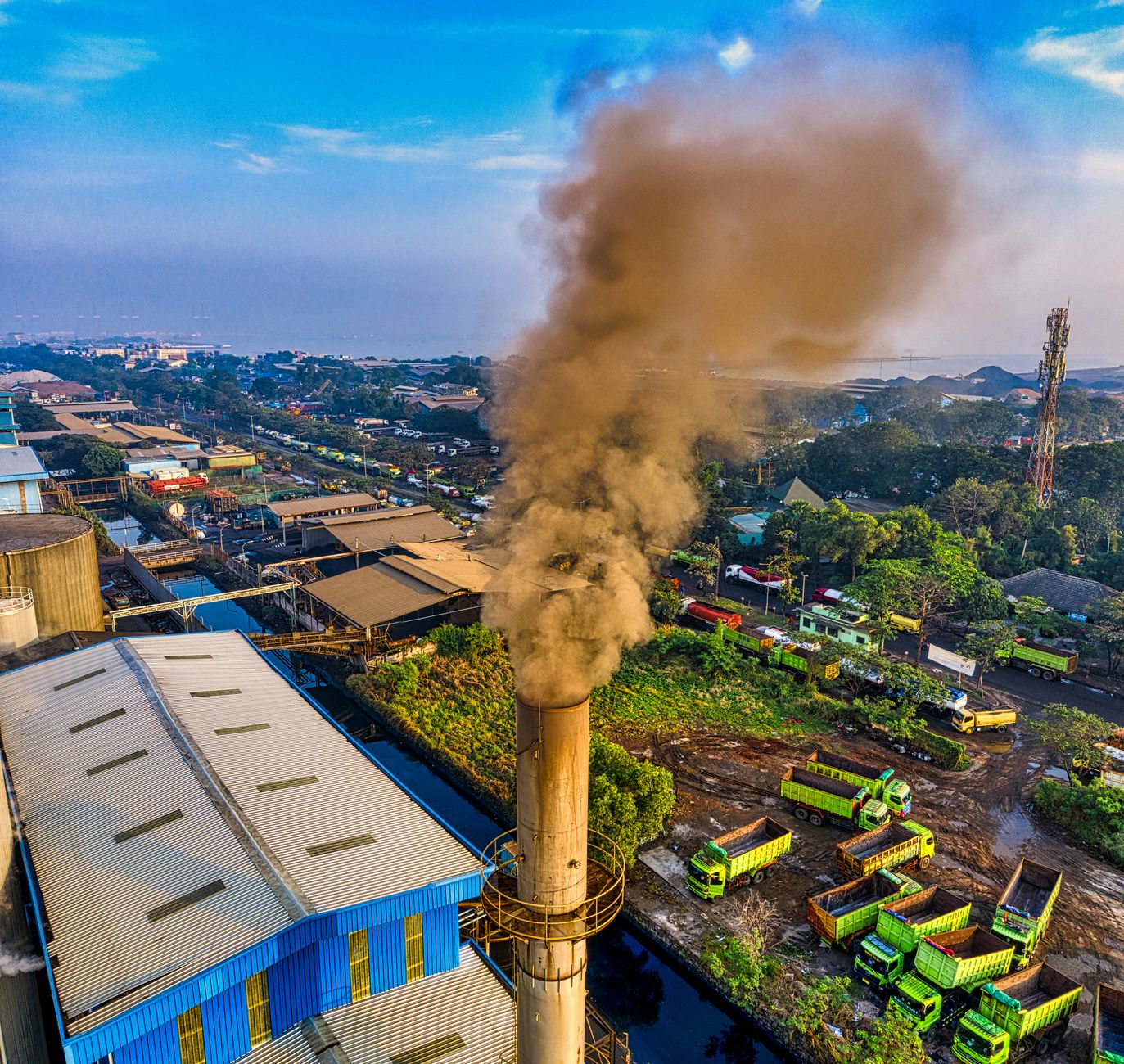
India's Environment Ministry Greenlights Defence and Infrastructure Projects
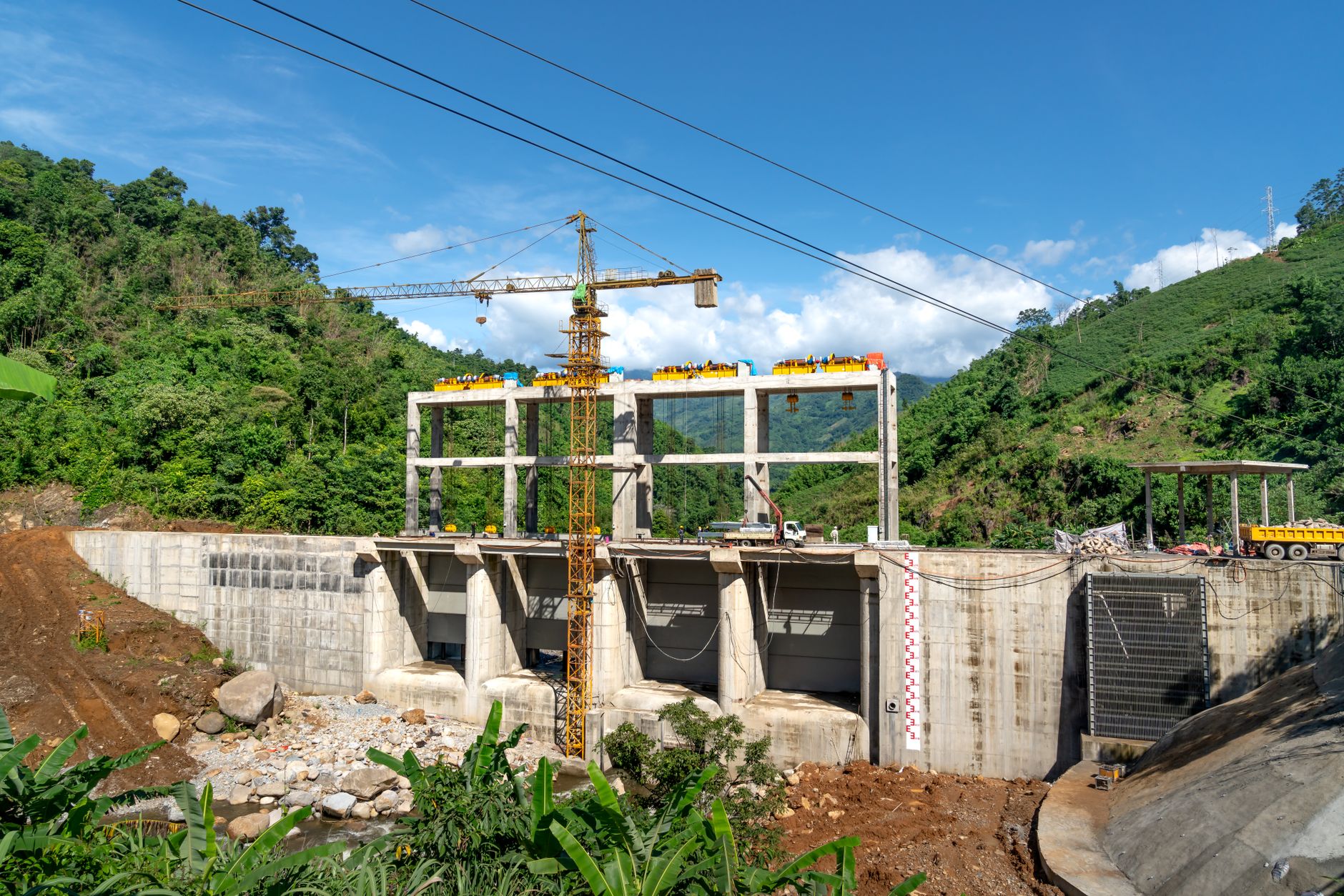
In a move that highlights the intricate balancing act between development and environmental preservation, India's Environment Ministry has given the green light to over 100 proposals, spanning defence, road, and power projects. This decision comes amidst ongoing debates over the environmental costs of infrastructural development.
The approved projects encompass 24 defence infrastructure developments, crucial for enhancing India's strategic readiness. These projects are situated in ecologically sensitive areas, such as Ladakh and Arunachal Pradesh, where geopolitical tensions necessitate robust infrastructure. The National Board for Wildlife (NBWL), which reviewed these proposals, has emphasised the importance of considering ecological impacts alongside national security imperatives.
Infrastructure Development in Ecologically Sensitive Zones
Among the various projects, the construction of roads and bridges has been a focal point. These are not merely pathways but lifelines for remote areas, facilitating connectivity and economic growth. However, they also pose risks to local wildlife and fragile ecosystems. The ministry's approval process involved rigorous assessments to ensure that environmental safeguards are not entirely compromised.
Power transmission projects also featured prominently. With India's growing energy demands, expanding the power grid is seen as vital. These enhancements aim to bolster the reliability of energy supply in underserved regions, yet they too must tread carefully to protect biodiversity.
Balancing Development and Conservation
The ministry's decision reflects a broader tension in policy-making: the need to reconcile economic growth with environmental sustainability. Critics argue that such large-scale developments could undermine conservation efforts, while proponents maintain that strategic development is essential for national progress.
Ultimately, the ministry's approval of these projects underscores its commitment to a dual mandate: fostering development while safeguarding natural resources. This balancing act will no doubt continue to spark debate as India navigates its path to progress.