India's Environmental Concerns: A Dire Need for Action
In a world increasingly cognisant of its ecological footprint, India's latest standing in the Environmental Performance Index (EPI) 2024 has raised eyebrows. Ranked 176th out of 180 nations, India is positioned alarmingly close to the bottom, only bettering Pakistan, Vietnam, Laos, and Myanmar.
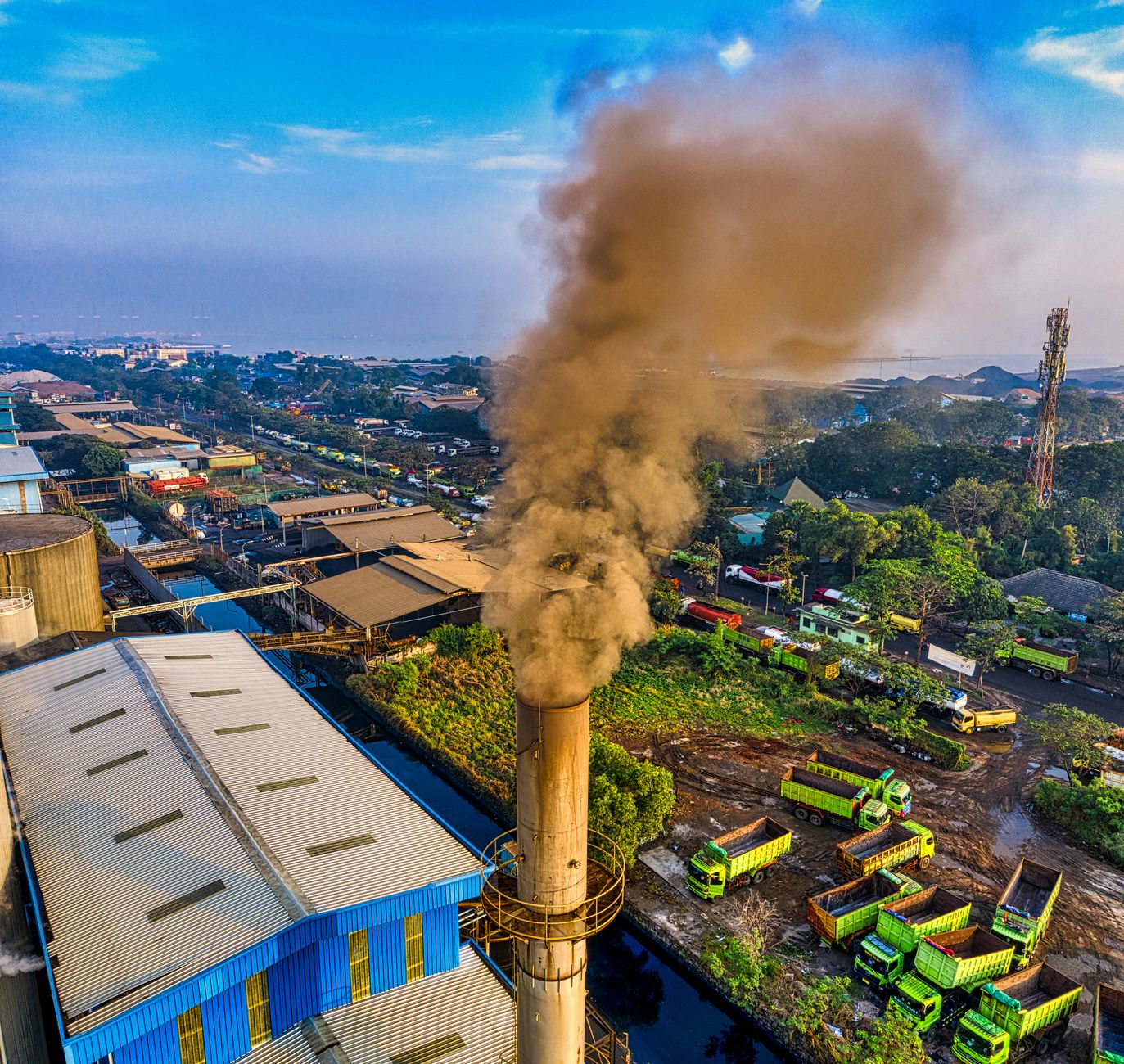
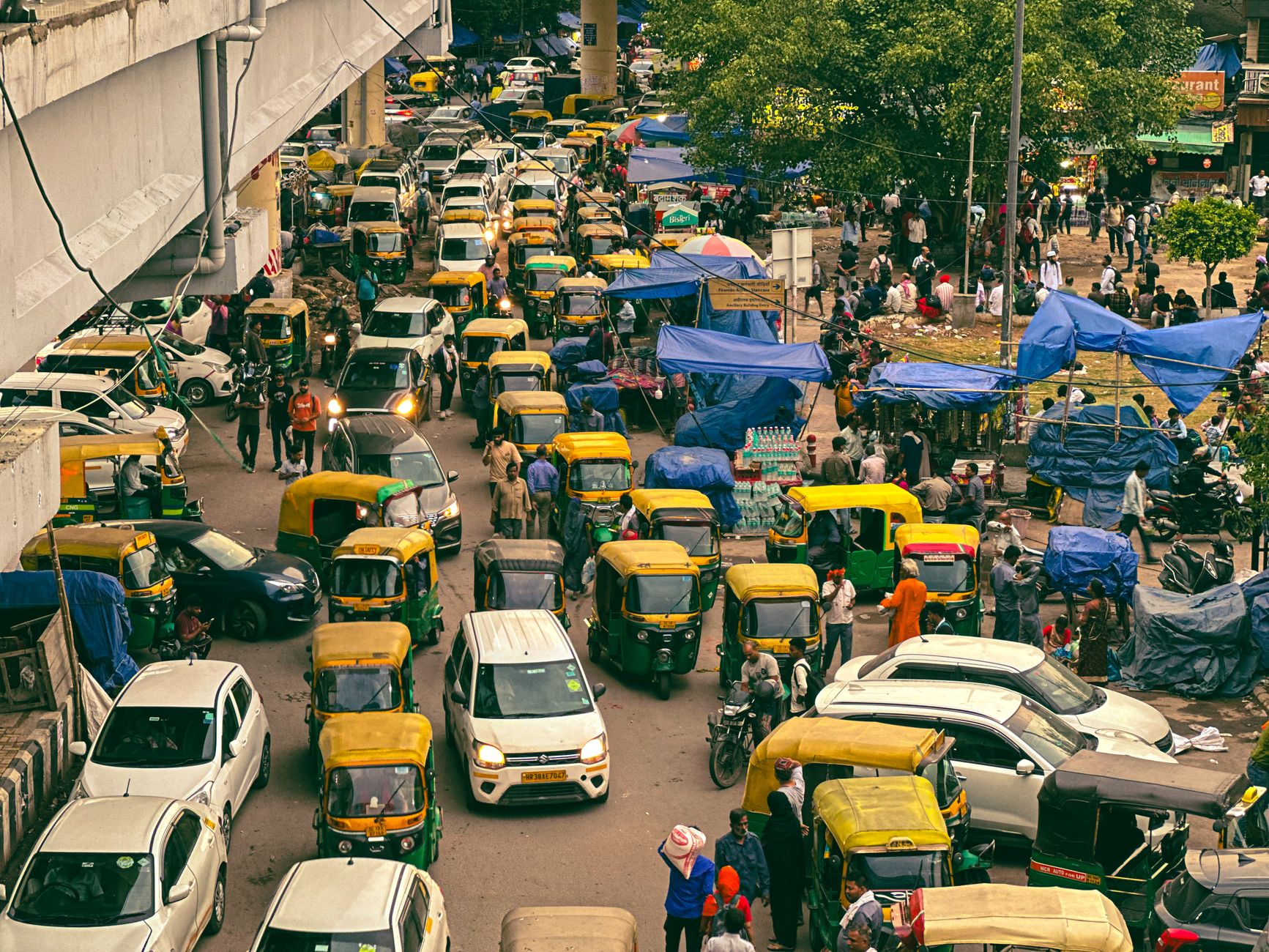
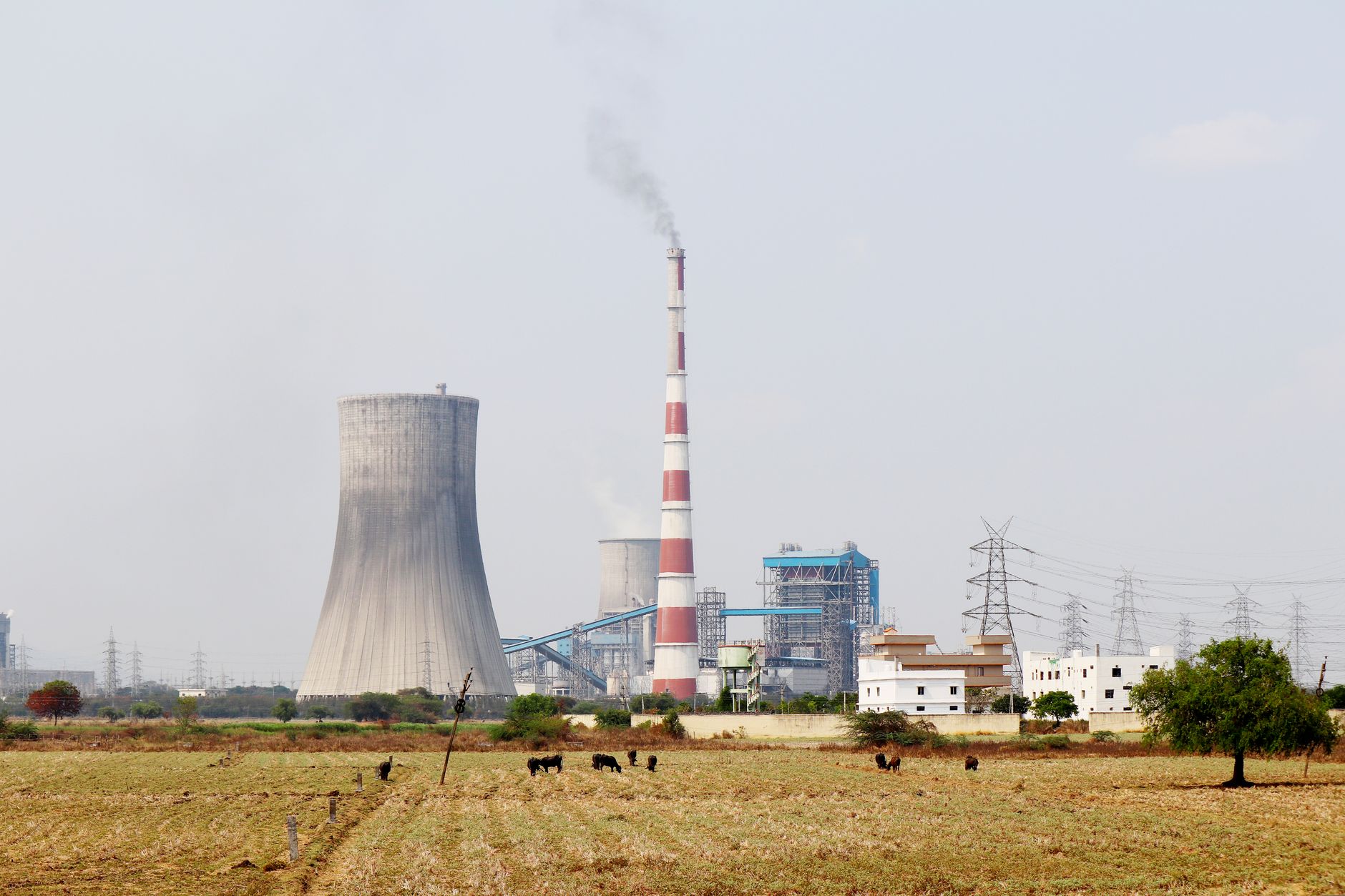
The EPI, which evaluates countries on parameters such as air quality, biodiversity, and emissions, paints a grim picture of India's environmental landscape. The nation struggles with poor air quality and alarming projections for emissions, factors that have significantly contributed to its dismal ranking.
A Pattern of Denial?
Back in 2022, when India found itself at the very bottom of the EPI, the government was quick to dismiss the findings as based on 'unscientific methods'. Two years on, the same issues persist, suggesting that denial might not be the most effective strategy for improvement.
Environmental experts argue that the focus should now be on actionable change rather than disputing the methodologies of global assessments. India's vast population and rapid industrialisation have undeniably strained its natural resources, but with concerted policy shifts, improvement is possible.
Finding a Way Forward
The need of the hour is a robust policy framework that prioritises sustainable development. Investing in renewable energy, stricter emissions controls, and conservation initiatives could pave the way for a healthier future. As the world looks on, India has both the responsibility and opportunity to transition towards a more sustainable model of growth.
While the EPI rankings may seem like another statistic, they serve as a crucial reminder of the environmental challenges we face. Inaction is no longer an option. It's time for India to step up and take meaningful steps towards environmental redemption.