India's Environmental Ranking Slightly Improves But Still Alarming
India's incremental rise to the 176th position in the latest Environmental Performance Index (EPI) is hardly a cause for celebration. Though the nation has climbed four spots since the last assessment, it remains perilously close to the bottom, ranking only above Pakistan, Vietnam, Laos, and Myanmar.
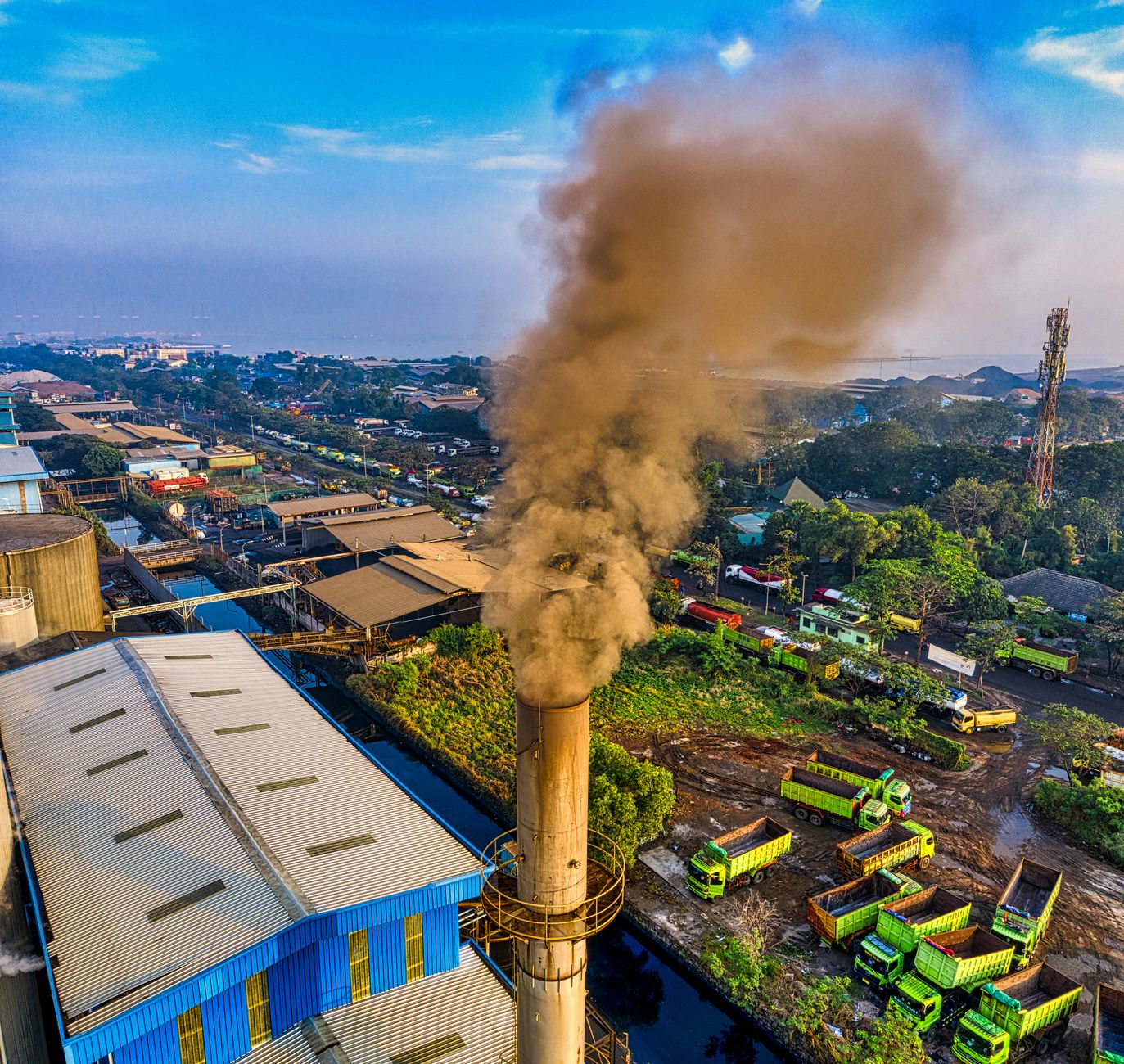
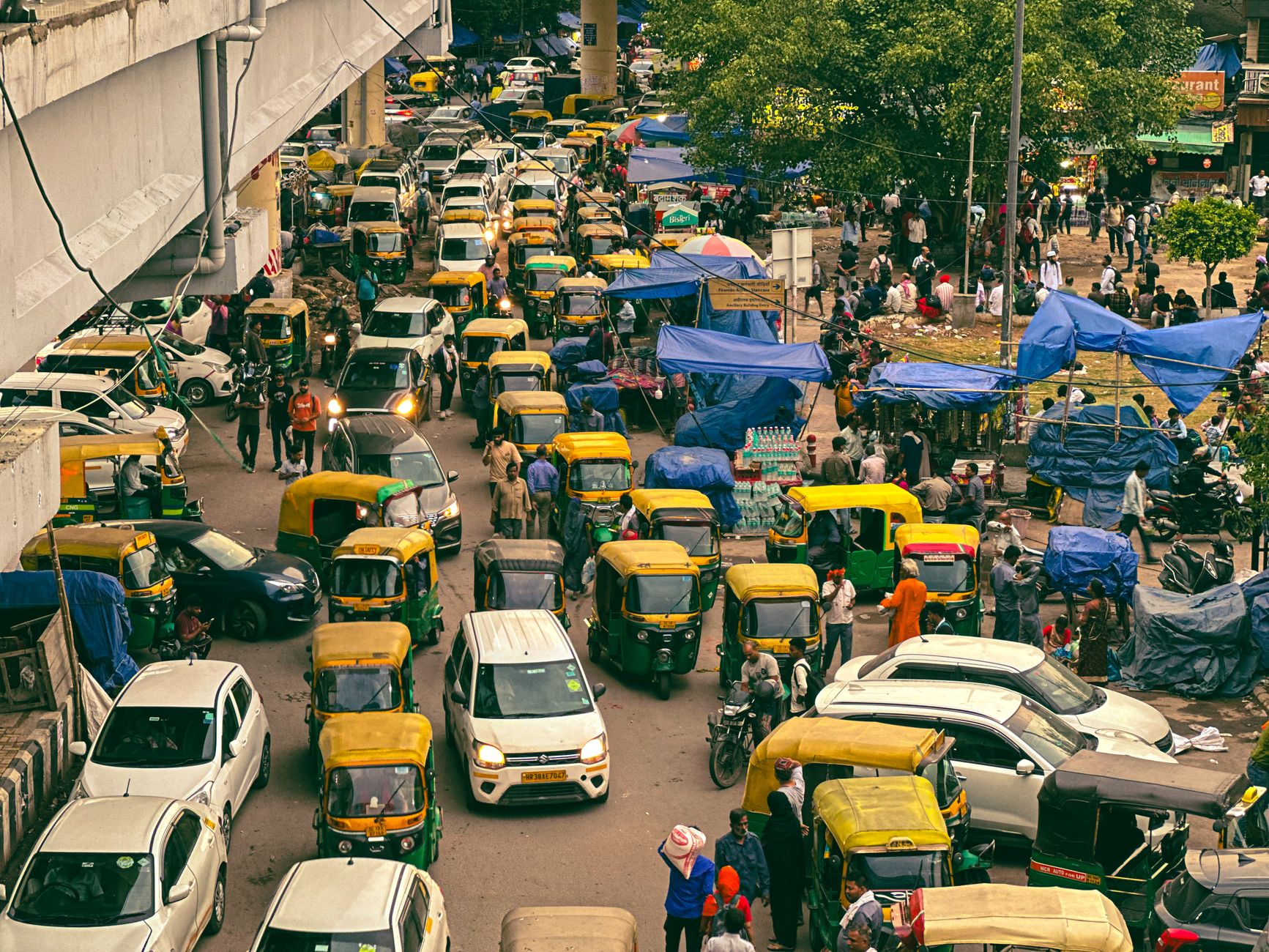
Critics of the EPI have pointed out that the metrics used may not accurately reflect on-ground realities in different countries, yet the figures starkly highlight India's persistent environmental challenges. Chief among these is air quality, which remains abysmally poor in many urban centres. The nation also grapples with inadequate environmental health policies, contributing to its low standing.
The Indian government, previously critical of the EPI's methodology, has not yet commented on the latest rankings. In 2022, officials dismissed the index as being based on "surmises and unscientific methods". However, the data from Yale and Columbia universities, which compile the EPI, suggest that India's environmental woes require urgent attention.
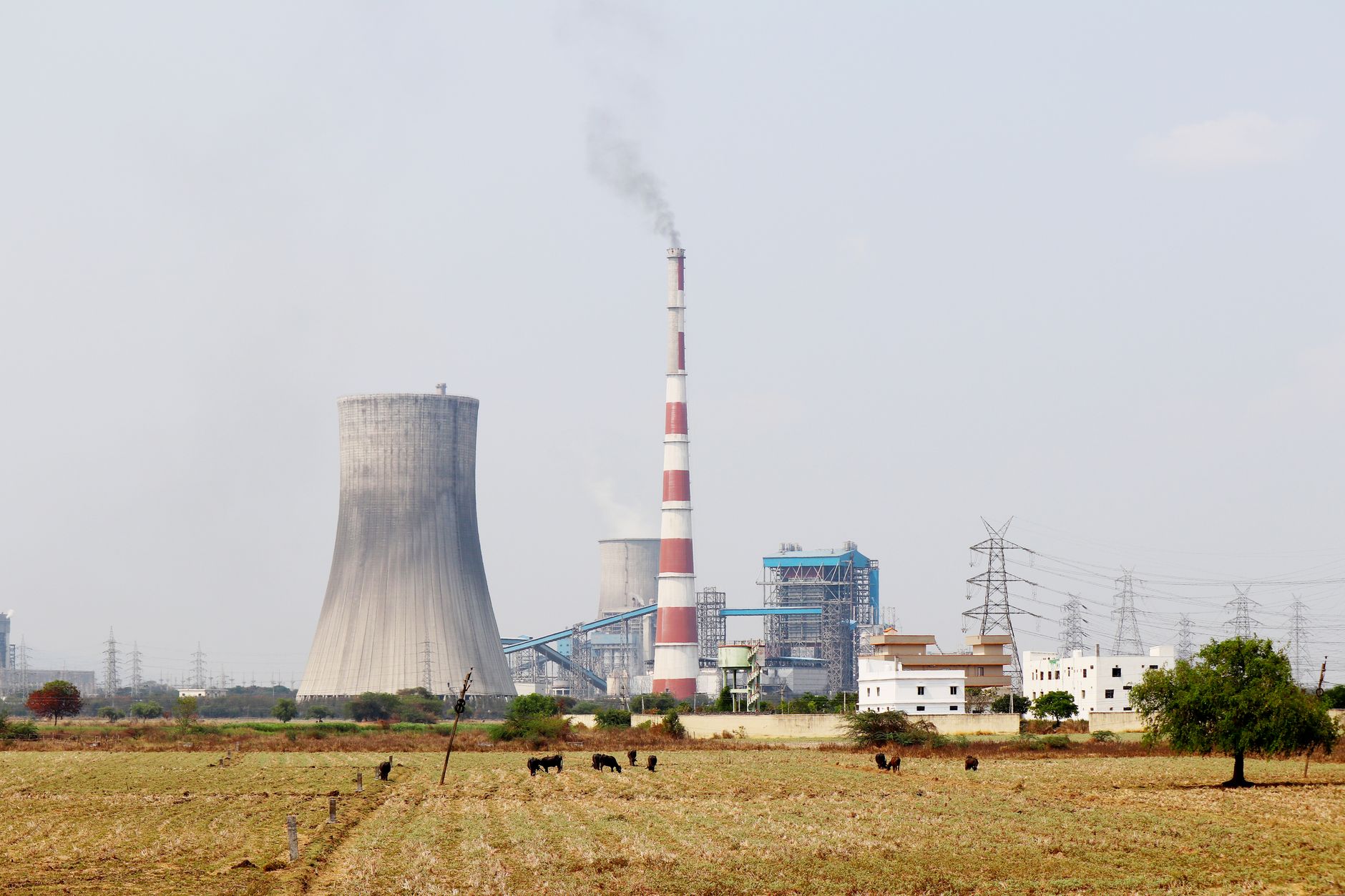
Despite this, India has made some strides, particularly in renewable energy. The country's ambitious targets for solar power and efforts to reduce emissions are noteworthy. Yet, these positives are overshadowed by the pressing need for comprehensive policy reforms aimed at sustainable development.
The EPI serves as a reminder of the environmental imperatives facing India and the broader global community. As nations worldwide strive to balance economic growth with ecological sustainability, India's performance underscores the need for concerted efforts in tackling pollution, conserving biodiversity, and improving public health related to environmental factors.
In the face of these challenges, the question looms: will India rise to meet its environmental obligations, or will it continue to languish near the bottom of these global rankings?