India's Environmental Standing: A Sobering Second from Last
In a world increasingly aware of its environmental responsibilities, India's ranking of 176th out of 177 countries in the 2026 Environmental Performance Index (EPI) is a stark reminder of the challenges that lie ahead. With a score of 22.46, India narrowly escaped the ignominious last place, occupied by Laos. The index, which assesses nations on environmental health, ecosystem vitality, and climate change mitigation, has placed India under a spotlight, revealing the pressing need for action.
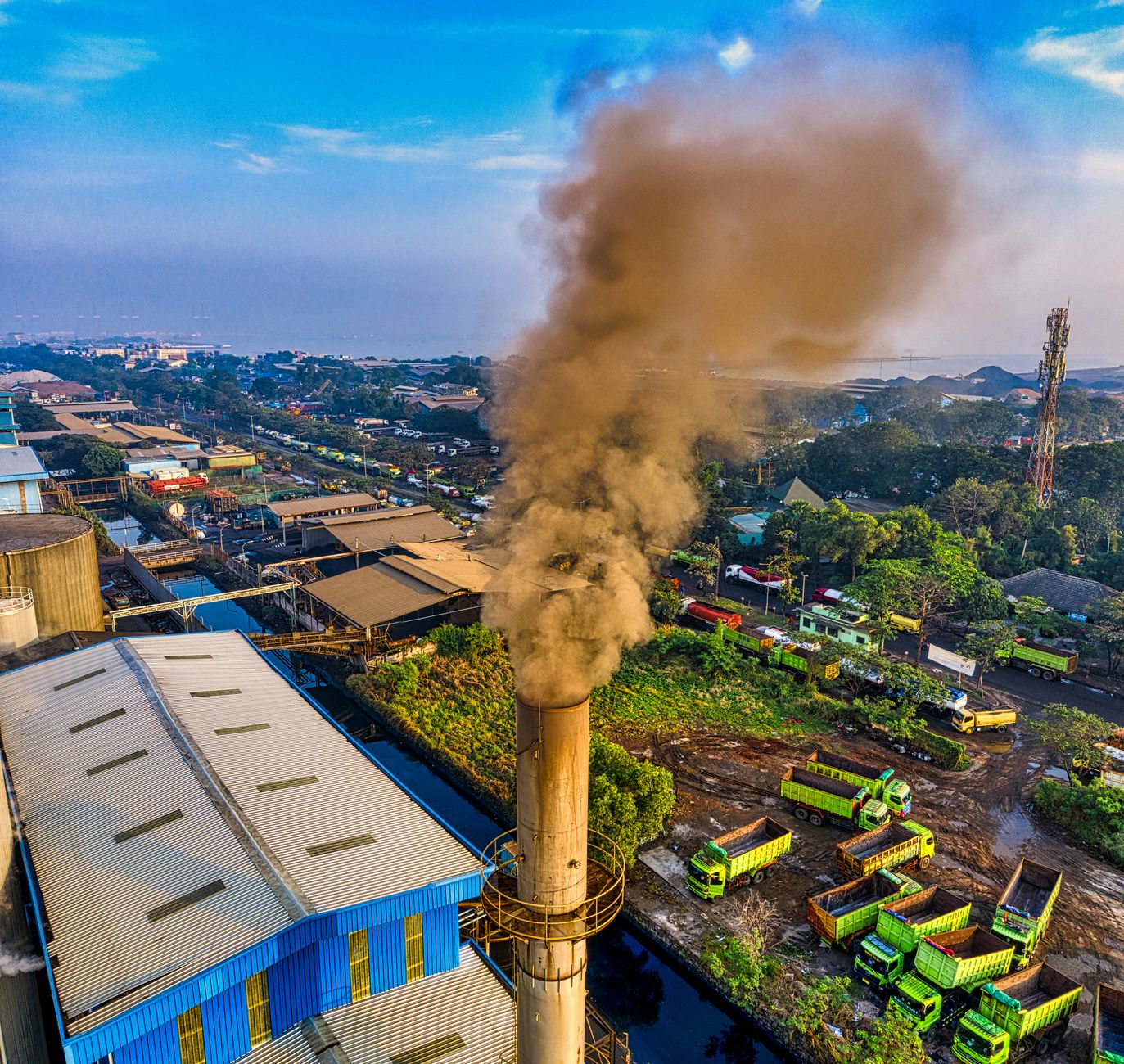
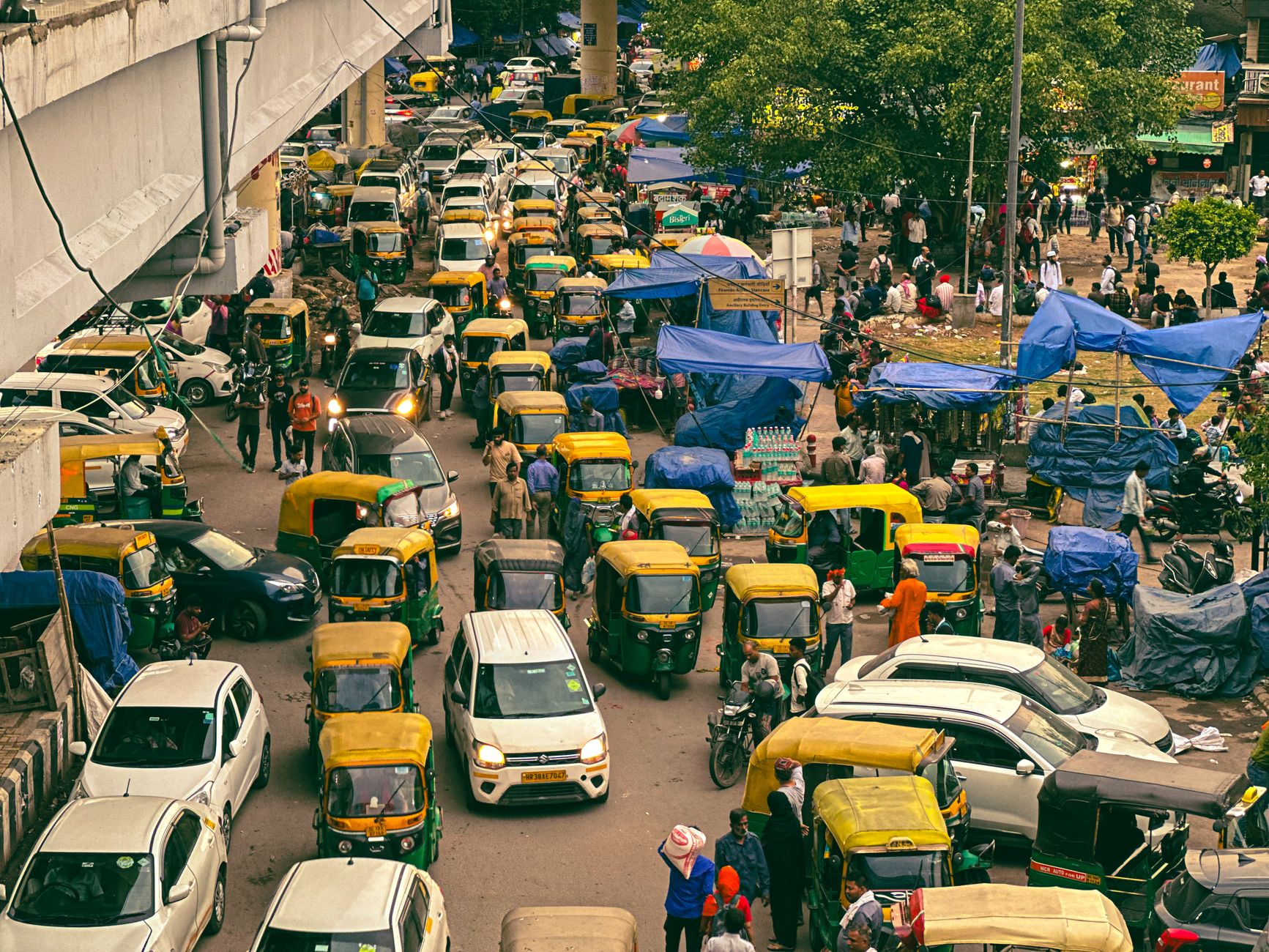
The EPI is a comprehensive measure, and India's low ranking reflects the complex interplay of factors affecting its environment. From rising air pollution levels in metropolitan areas like Delhi to the ongoing deforestation in various parts of the country, the indicators are a call to action. It's not just the air quality that is at stake; water resources, biodiversity, and waste management are equally concerning.
The Environmental Challenge
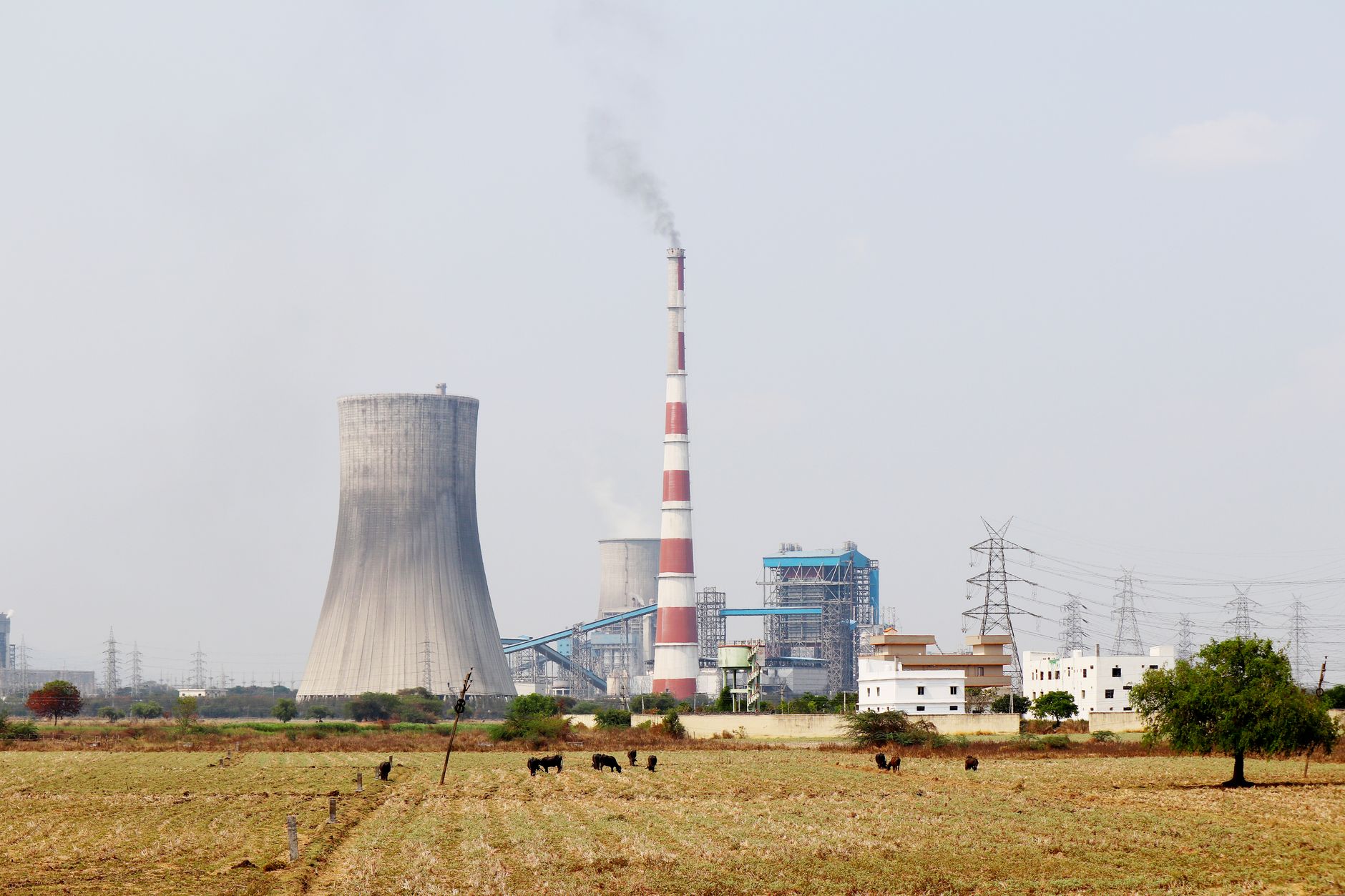
At the forefront of these issues is climate change. India's vast population and rapidly growing economy make it one of the largest contributors to global greenhouse gas emissions. Yet, the nation's efforts to mitigate these emissions and promote sustainable growth have been criticised as insufficient. The government's initiatives, such as the National Action Plan on Climate Change, aim to address these problems but have often been hampered by bureaucratic inertia and inadequate funding.
Moreover, the challenge is compounded by socio-economic factors. Poverty and lack of education hinder the implementation of environmental policies at the grassroots level. Without widespread public awareness and participation, initiatives struggle to gain the traction necessary for meaningful change.
Looking Forward
The EPI ranking should serve as a wake-up call for policymakers. With the global spotlight on environmental issues, India has the opportunity to redefine its approach. By investing in renewable energy, enhancing regulatory frameworks, and promoting education, India can begin to climb the ranks.
Indeed, some states have already started taking steps in the right direction. For instance, Gujarat's solar power initiatives and Sikkim's organic farming policies have shown that change is possible. These examples need to be replicated on a national scale.
In conclusion, India's position in the EPI is not just a number. It is a narrative of urgent action needed to secure a sustainable future. The road ahead is challenging, but with concerted efforts, India can hope to improve its environmental standing and ensure a healthier planet for future generations.