India's Environmental Standing: Near the Bottom but Improving
Amidst growing international scrutiny, India finds itself languishing near the bottom of the Environmental Performance Index, ranking 177th out of 178 countries. Only Laos fares worse. While this paints a bleak picture, it's not without a glimmer of hope. Over the past decade, India has made some progress, albeit modest, in its environmental performance.
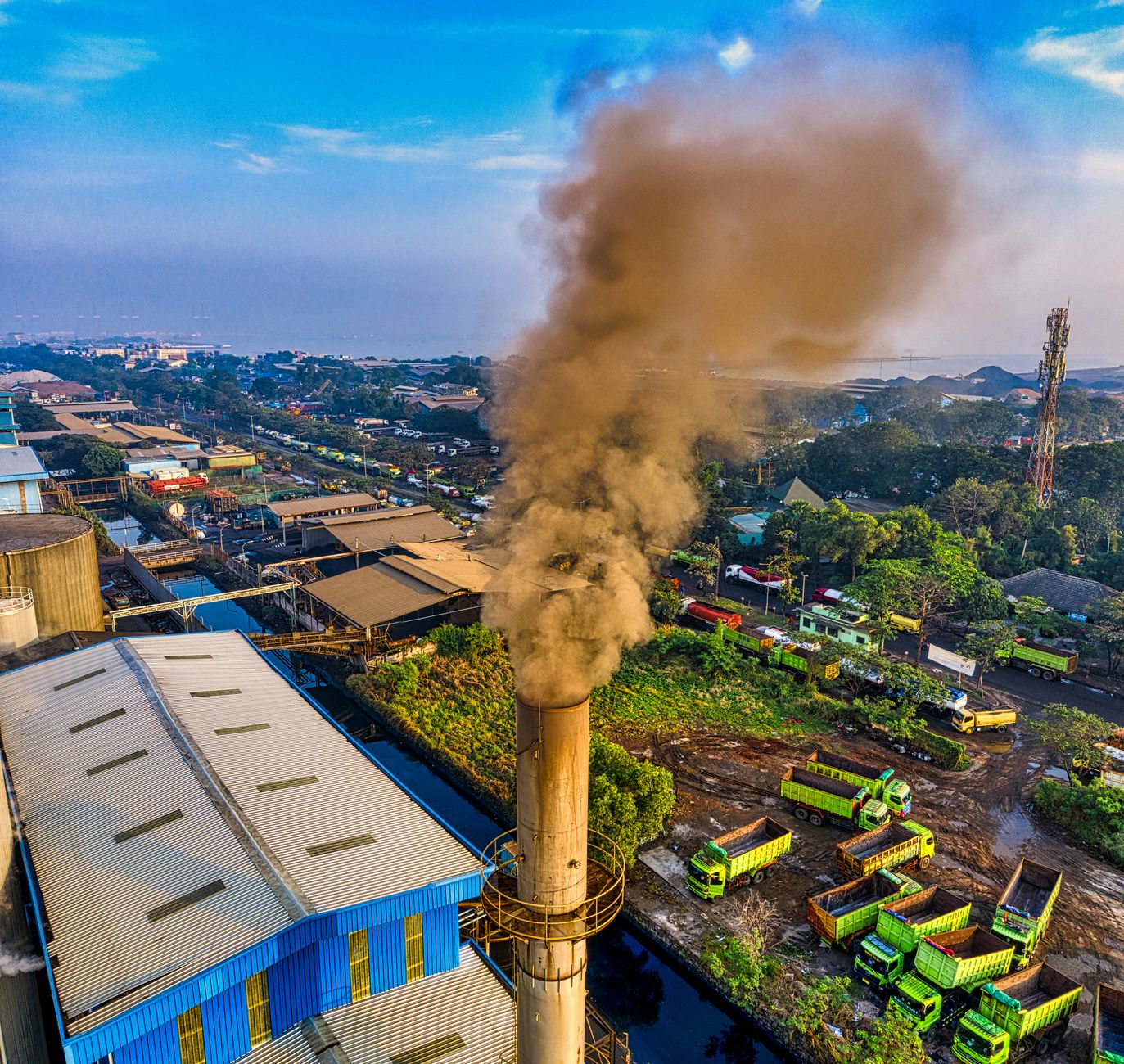
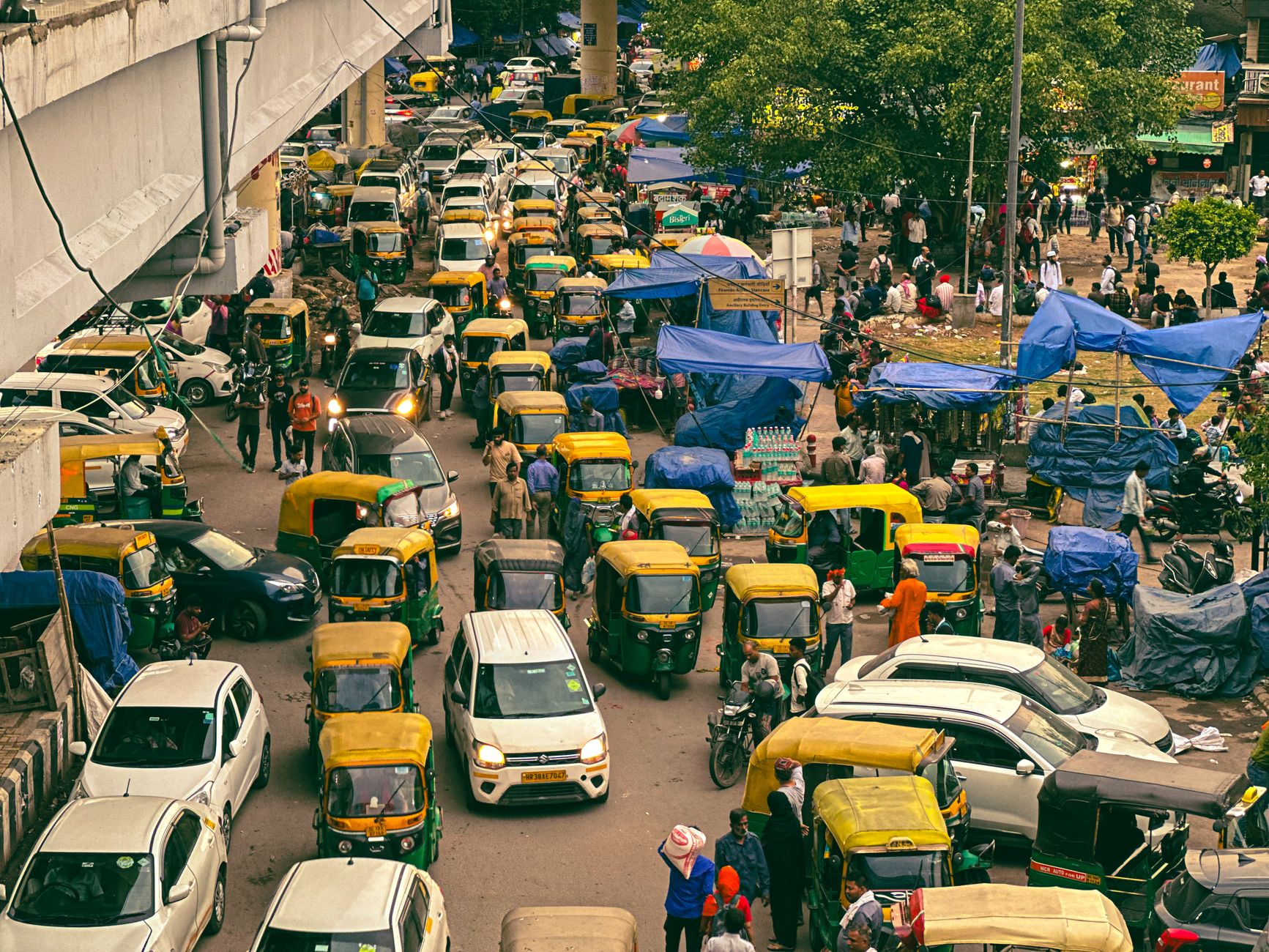
The index, compiled by Yale and Columbia Universities, evaluates countries on various aspects, including environmental health, ecosystem vitality, and climate change policies. India’s scores in these areas are concerning, with environmental health and ecosystem vitality being particularly low at 174th and 171st respectively. However, the country does slightly better in climate change policies, ranking 130th.
In response to the index, the Indian government has raised objections, describing the methodology as based on 'surmises and unscientific methods'. This defensive stance highlights the tension between global assessments and national narratives.
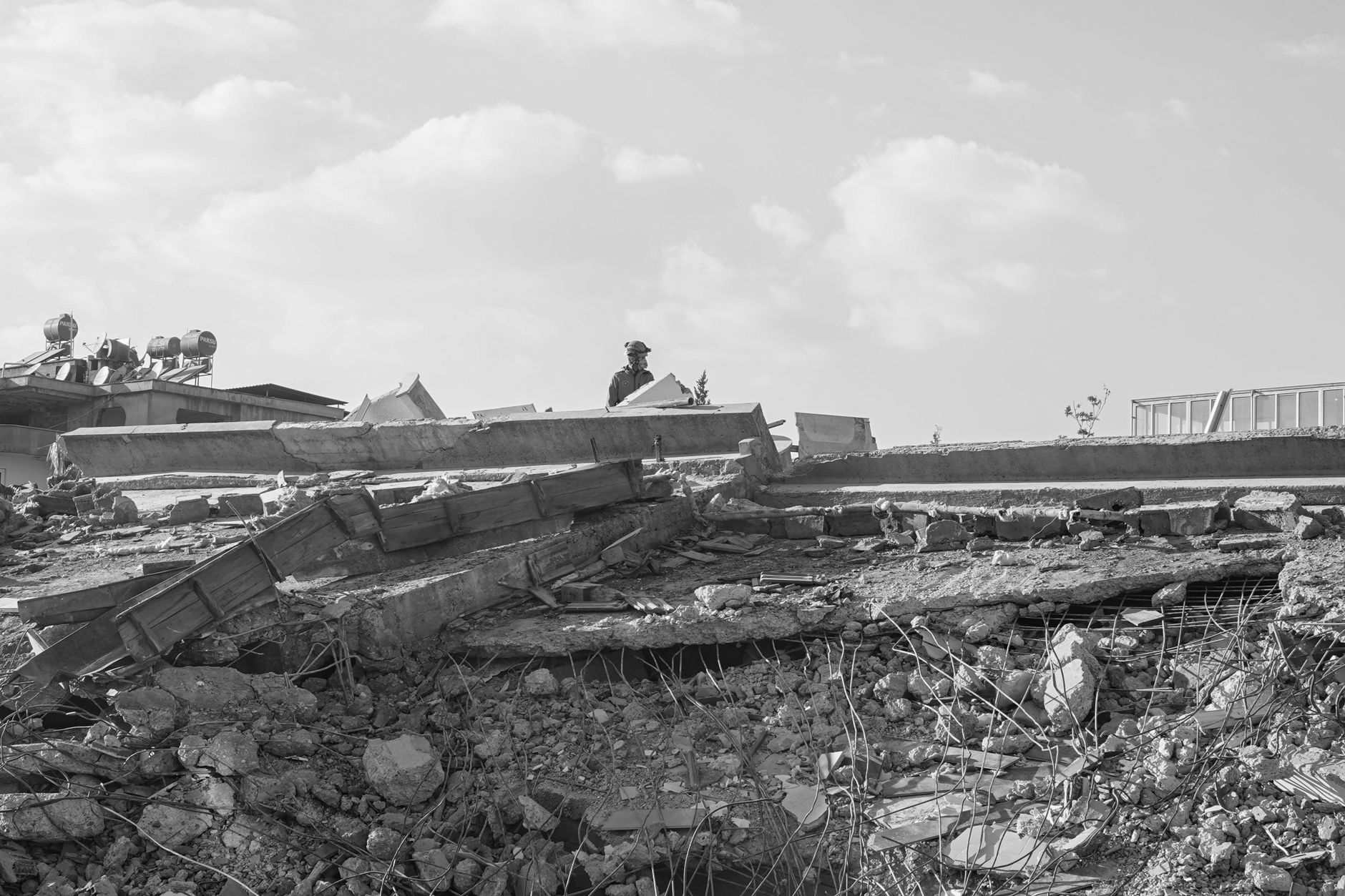
Despite these challenges, there is an undeniable urgency for India to address its environmental issues. The consequences of climate change are not distant threats; they are already being felt. In 2019, India was ranked as the seventh worst-hit country by climate change, according to the Global Climate Risk Index. Extreme weather events, rising temperatures, and declining air quality are not just environmental concerns but also public health crises.
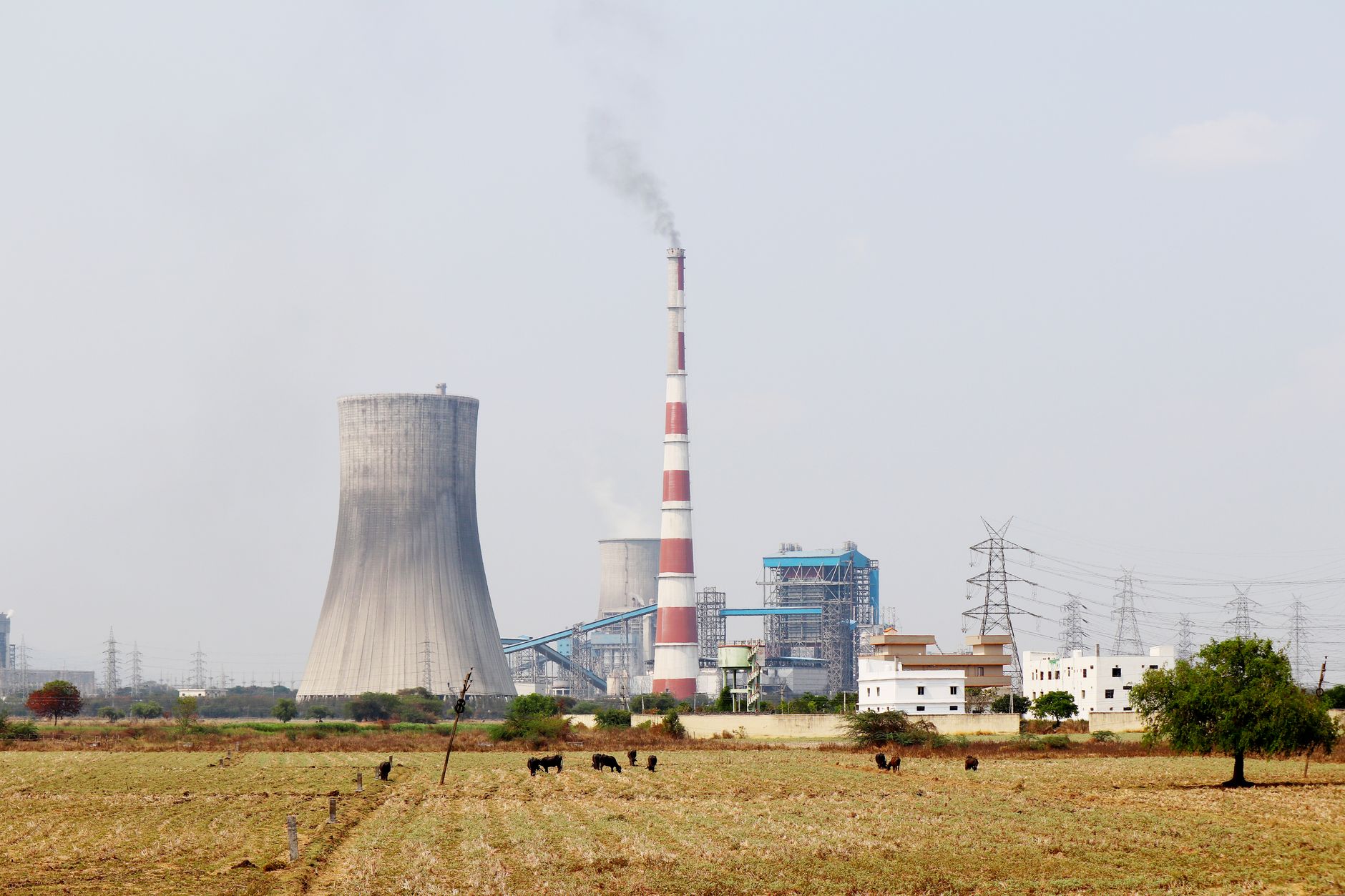
Efforts to improve are underway, with various government initiatives aimed at renewable energy, afforestation, and pollution control. Nonetheless, the scale of the task is immense. To move up the ranks in future assessments, India will need to intensify its efforts, integrating sustainable practices across sectors.
The road ahead is challenging, but with focused policy initiatives and international cooperation, India can hope to climb the ranks and, more importantly, secure a healthier environment for its citizens.