India's Environmental Struggles: A Near Bottom EPI Ranking
In a sobering revelation, India has been ranked 176th out of 177 countries in the 2026 Environment Performance Index (EPI), a comprehensive assessment that gauges a nation's environmental health, ecosystem vitality, and climate change mitigation efforts. This position, just one step ahead of Laos, highlights the formidable challenges India faces in balancing economic growth with environmental sustainability.
The EPI, developed by Yale and Columbia universities in collaboration with the World Economic Forum, evaluates nations on various parameters, including air quality, water resource management, and biodiversity protection. India's overall score of 22.46 out of 100 paints a stark picture, signalling urgent need for policy reforms and implementation of robust environmental strategies.
The Price of Progress
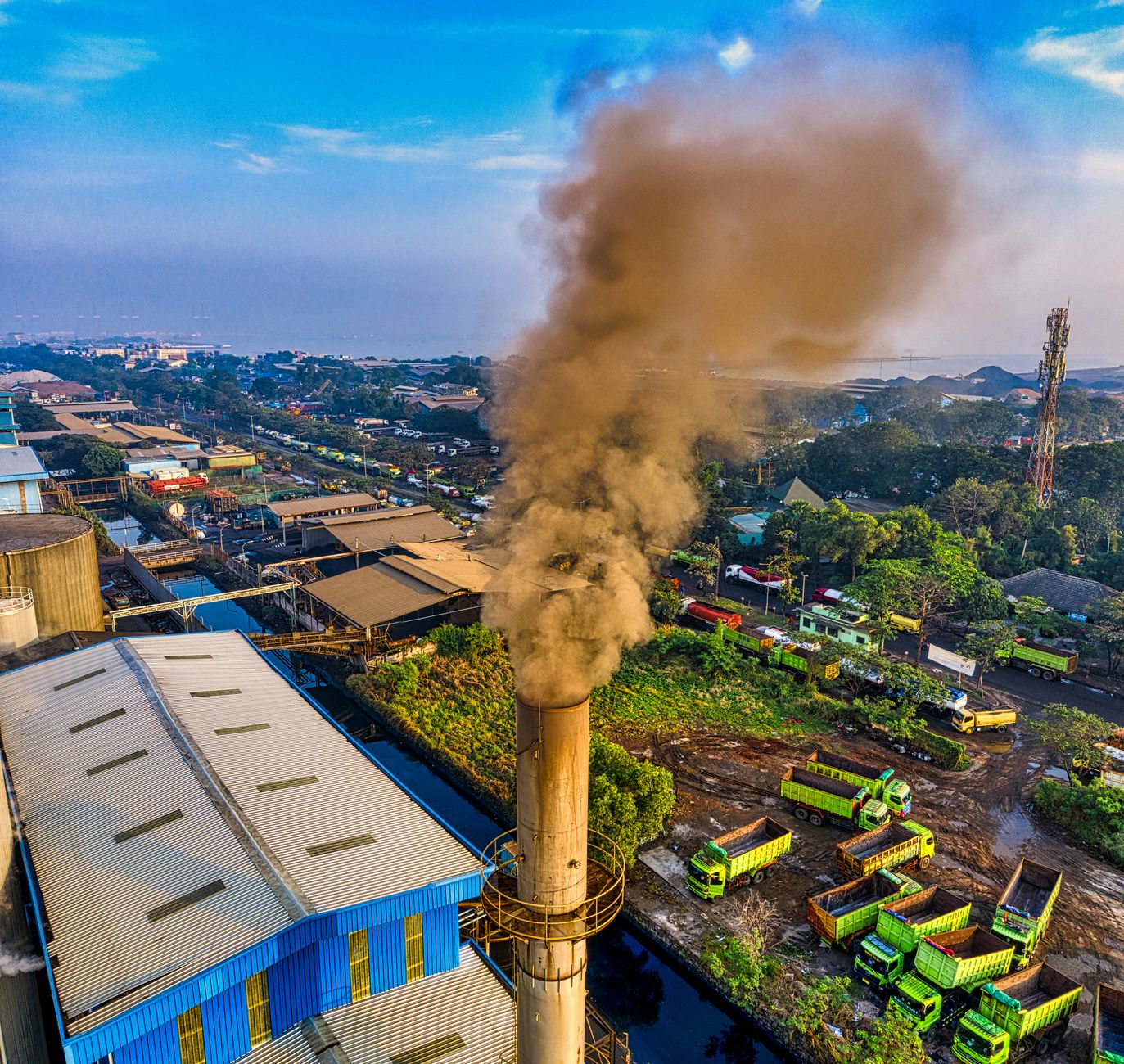
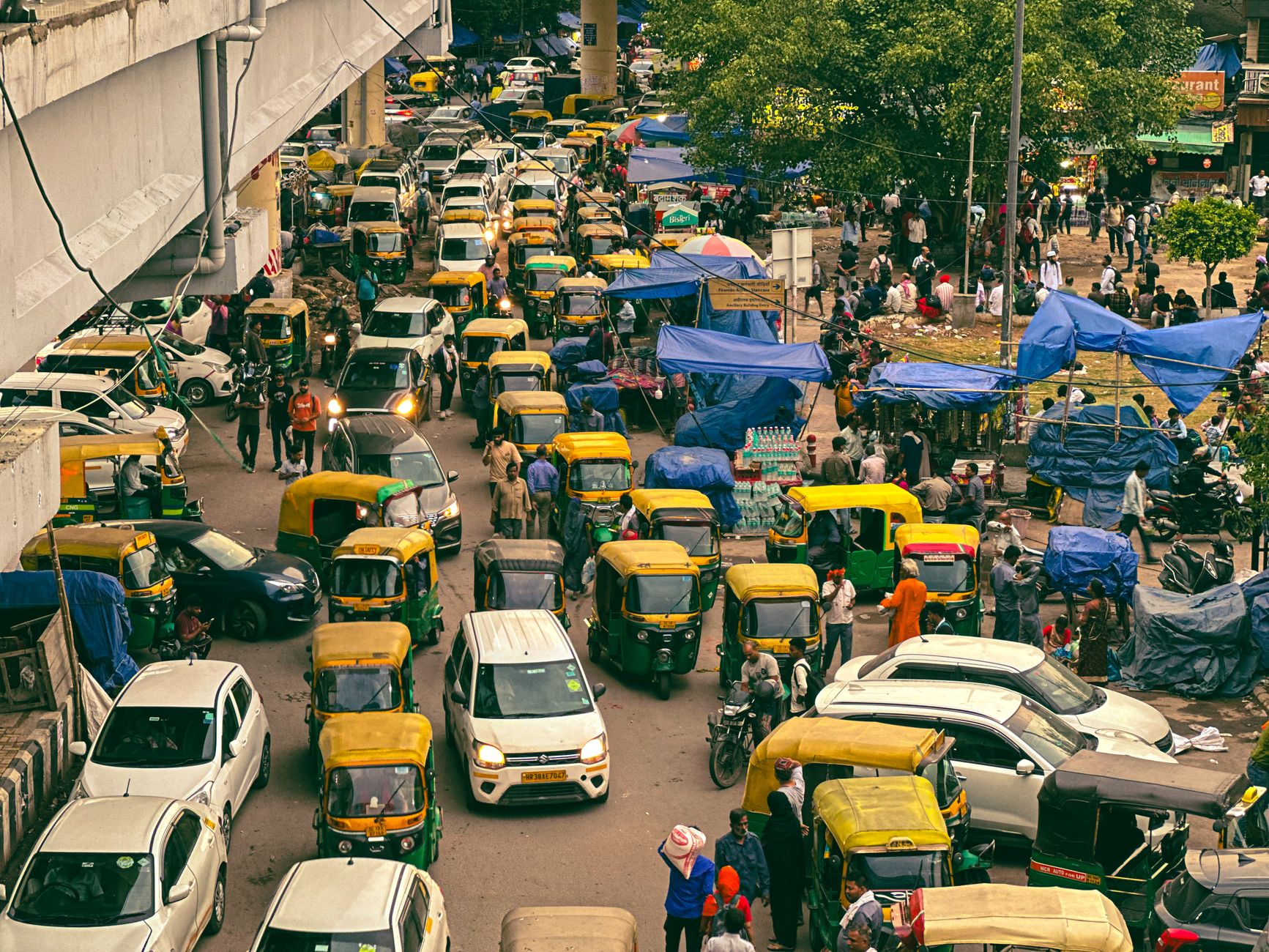
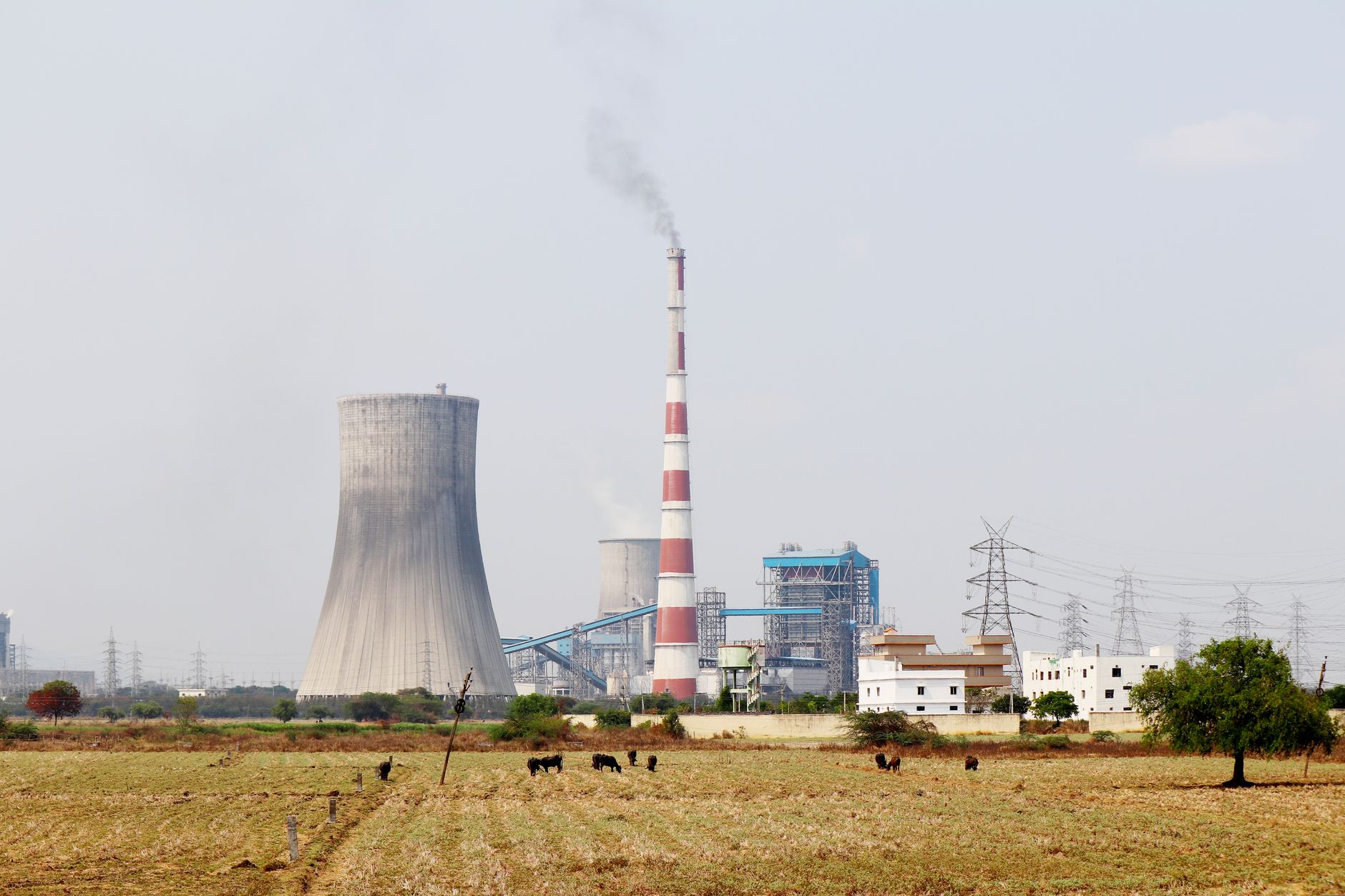
India's low ranking is not entirely surprising given its rapid industrialisation, which often prioritises economic gains over ecological considerations. The country's burgeoning population and expanding urban centres exacerbate pressures on natural resources, leading to severe air and water pollution, deforestation, and biodiversity loss.
Despite governmental efforts such as the National Clean Air Programme and the Swachh Bharat Abhiyan, the impact on the ground remains limited. Critics argue that while policies exist on paper, their execution is frequently hampered by bureaucratic inertia and lack of political will.
Global and Local Implications
India's environmental performance is not just a domestic concern; it has significant global implications. As one of the world's largest emitters of greenhouse gases, India's policies and actions are crucial in the fight against climate change. The country's commitment to the Paris Agreement and its ambitious targets for renewable energy are steps in the right direction, yet they fall short in addressing immediate environmental health issues.
The EPI ranking serves as a wake-up call, urging both policymakers and the public to prioritise sustainable development. Environmental activists and experts advocate for integrated approaches that incorporate traditional ecological knowledge with modern technology to create sustainable and resilient communities.
As the world grapples with climate change, India's role is pivotal. The challenge lies in transforming its environmental liabilities into opportunities for innovation and leadership in sustainable practices. Only time will tell if India can rise to the occasion.