India's Environmental Woes: A Slip on the Global Scale
India's latest ranking in the Environmental Performance Index (EPI) for 2024 has once again thrust the country's environmental policies into the spotlight. Despite climbing four places from its nadir at the very bottom in 2022, India's position at 176th out of 180 nations remains a sobering reflection of its ongoing environmental struggles.
This index, meticulously compiled by researchers at Yale and Columbia universities, evaluates countries on parameters such as air quality, waste management, and biodiversity. India's dismal ranking is predominantly attributed to its alarming air pollution levels and a lack of sustainable practices.
Challenges Abound
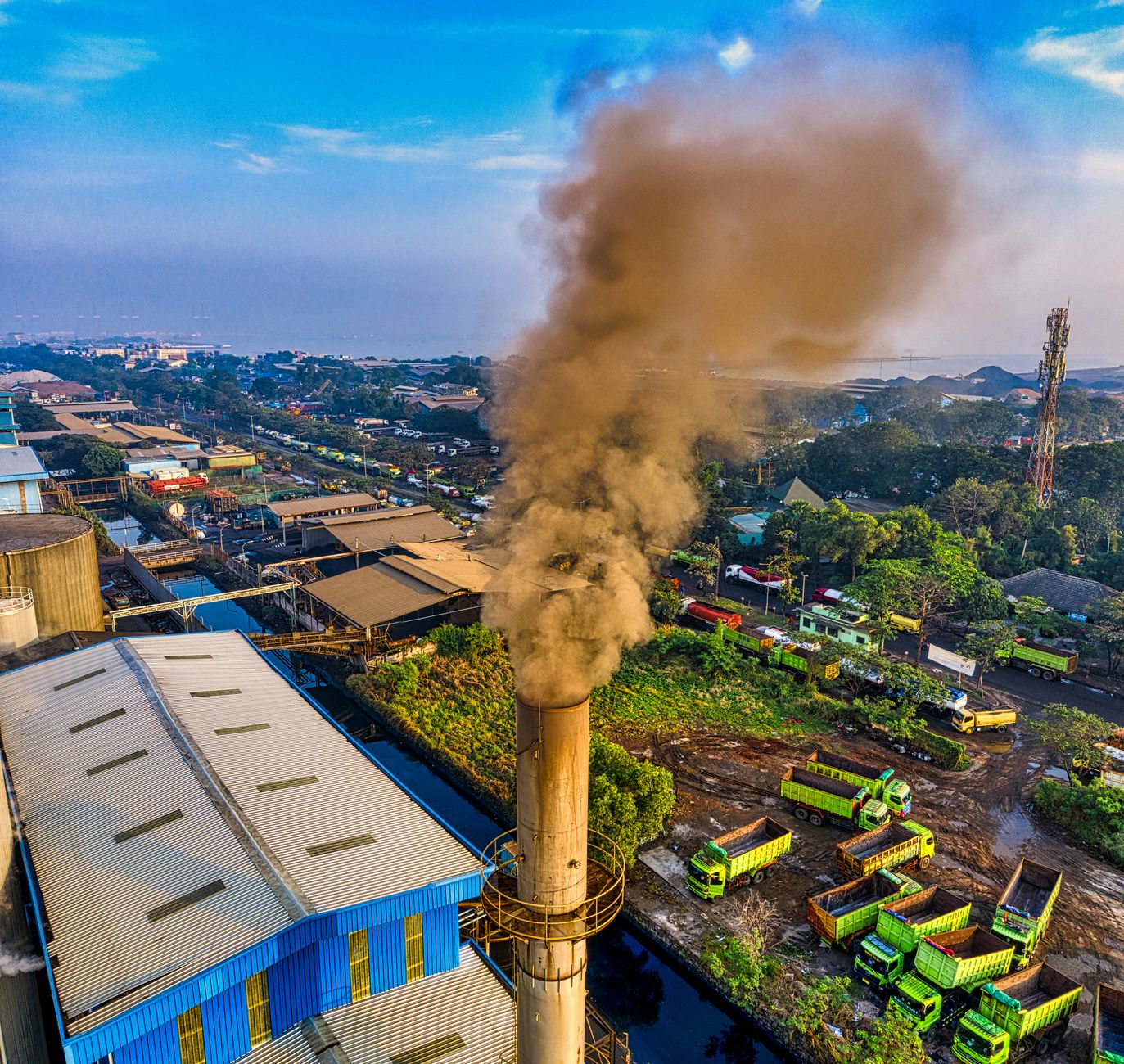
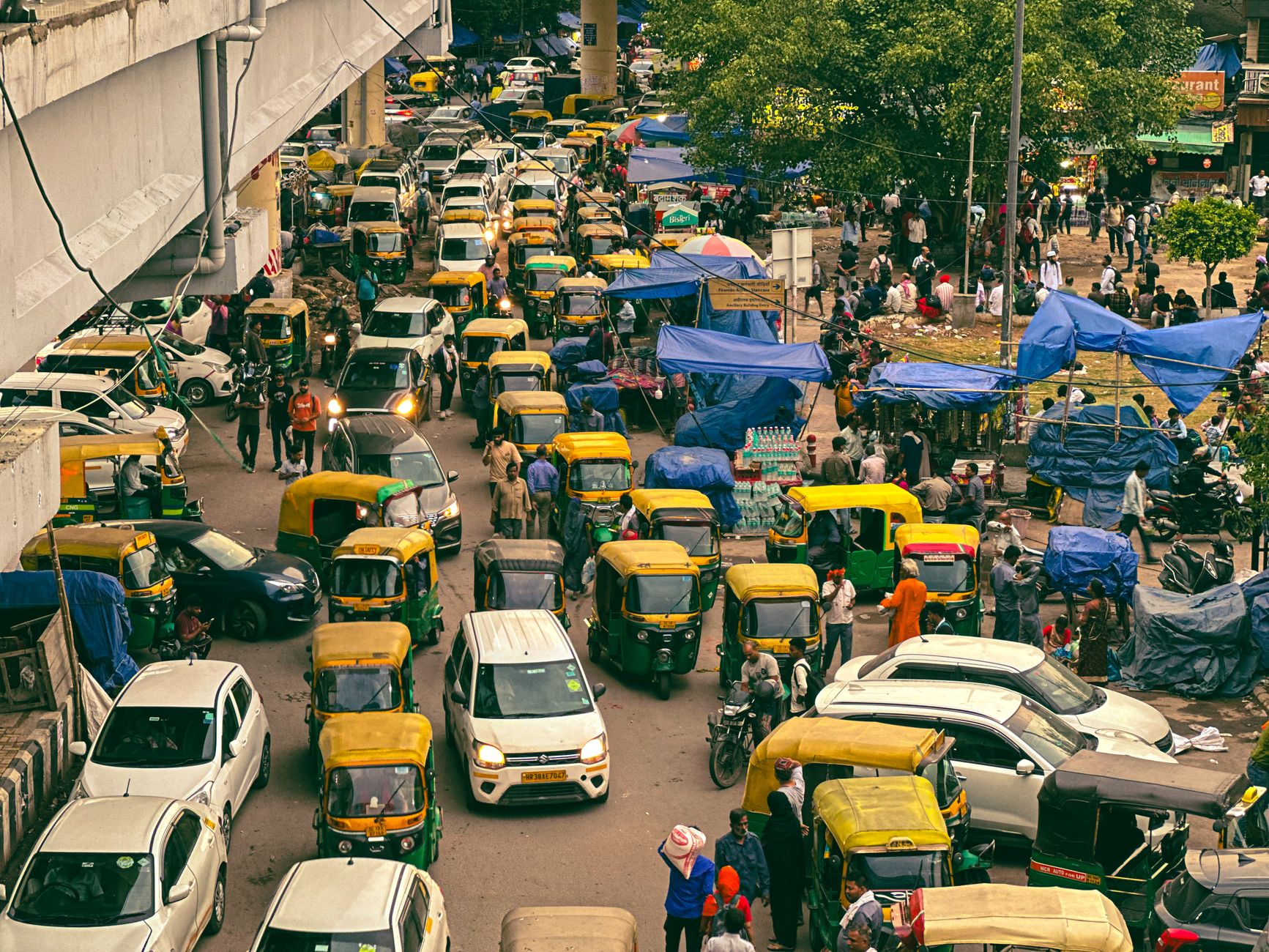
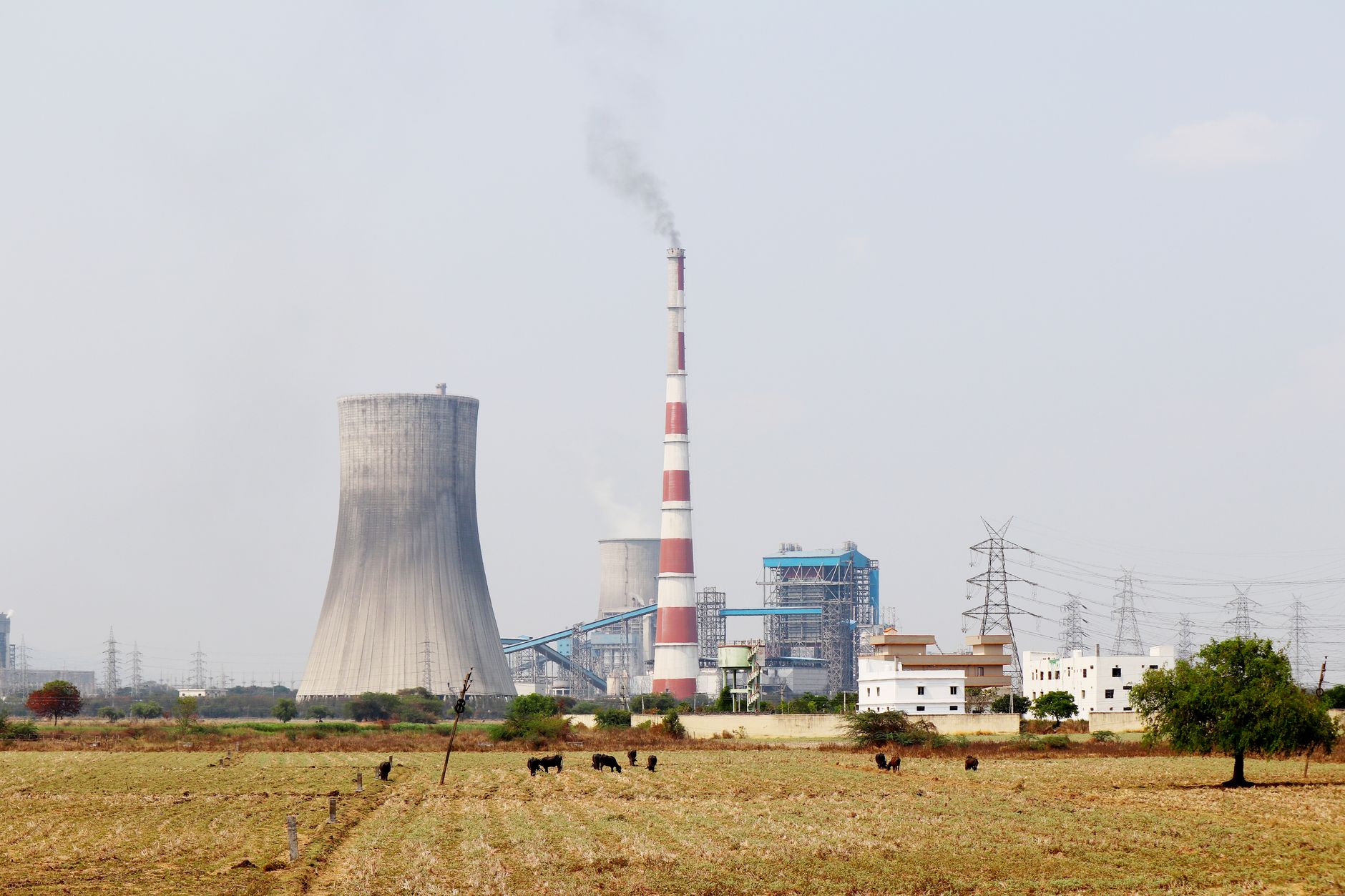
The EPI report underscores India's environmental challenges, particularly the dire state of air quality in its urban centres. The capital, New Delhi, frequently records hazardous levels of pollutants, with vehicular emissions and industrial activity being primary culprits. Despite government initiatives to curb emission levels, tangible improvements remain elusive.
Moreover, the country continues to grapple with waste management issues, with plastic waste piling up in landfills and rivers. The lack of stringent regulations and enforcement exacerbates these problems, leaving communities vulnerable to health risks.
Government Response and Global Perception
In response to the index, Indian officials have previously criticised the methodology, labelling it as unscientific and biased. Yet, the findings resonate with local environmentalists, who argue that the report reflects the ground reality.
Internationally, India's low ranking raises concerns about its commitment to global climate targets. As the world watches, the pressure mounts on Indian policymakers to implement effective environmental reforms.
While the ranking paints a grim picture, it also serves as a call to action. For a nation aspiring to lead in the global arena, addressing these environmental challenges is not merely a necessity but an imperative.