India's Green Revolution: A Decade of Environmental Progress
India, a nation known for its diverse landscapes and burgeoning population, has quietly been making strides in a sector that often finds itself overshadowed by industrial ambitions — the environment. Over the past dozen years, the country has witnessed a remarkable transformation aimed at achieving sustainable development while uplifting its most vulnerable citizens.
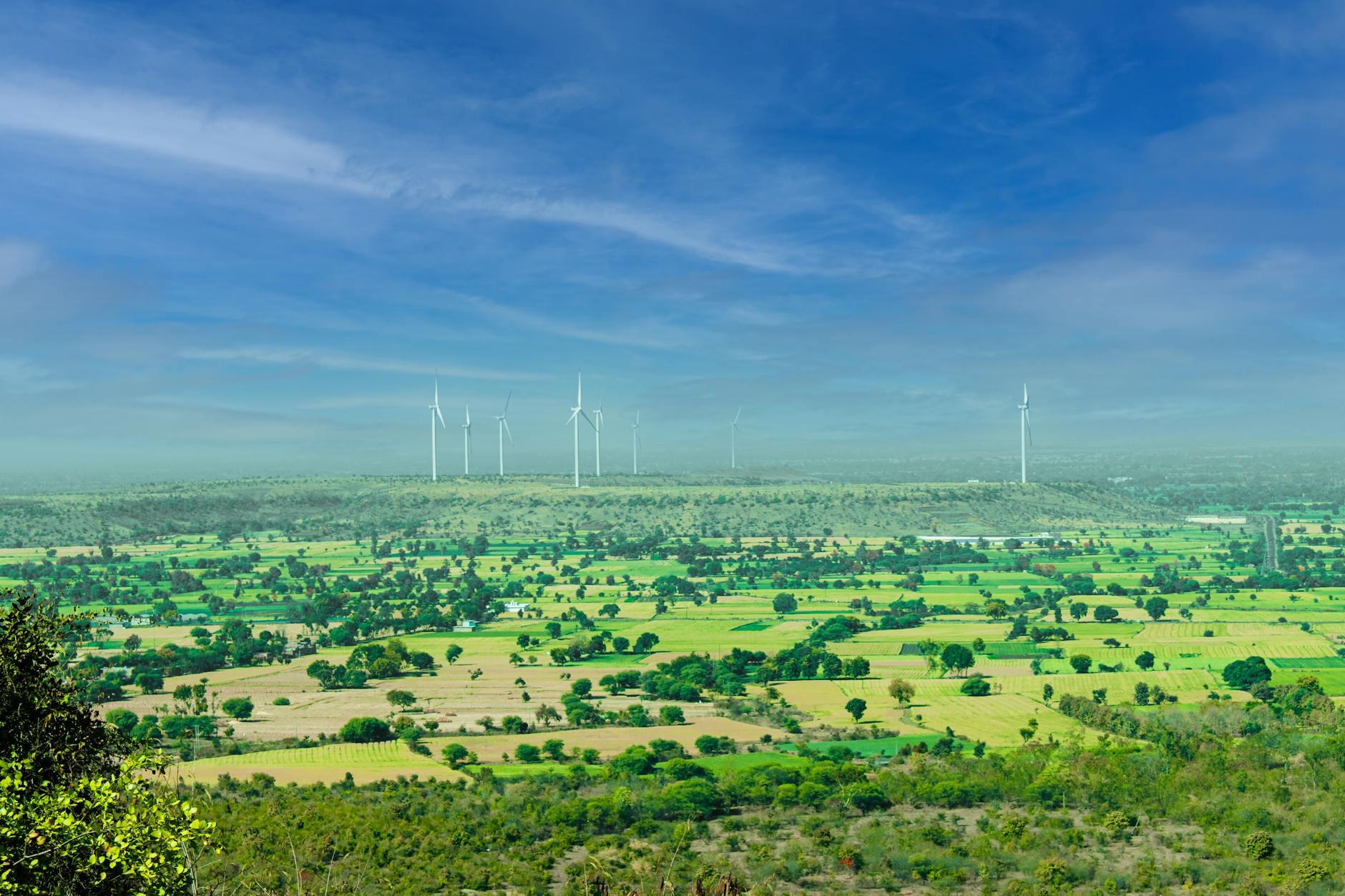
At the heart of these changes is an invigorated push towards renewable energy. In the last three years alone, 47,000 new jobs have been created in this sector, a testament to the government's commitment to reducing carbon emissions. Projections suggest that the shift to a green economy could generate an additional three million jobs by 2030, offering a glimmer of hope for both the environment and the economy.
Yet, the journey has not been without its challenges. Achieving 'environmental justice' remains an arduous task. According to data from the Environmental Justice Atlas, only about 18 per cent of environmental conflict cases see a resolution that favours the local populace. This indicates the significant influence of grassroots movements in halting environmentally harmful projects.
Moreover, India's agricultural sector is also poised for growth, expected to maintain a 4% increase over the next decade. This is driven by technological advancements and supportive government policies. The challenge is to ensure that this growth does not come at the expense of environmental integrity.
The broader implications of these efforts resonate far beyond India's borders. In a world grappling with climate change, India's approach offers valuable lessons in balancing development and ecological stewardship. As the nation continues its green crusade, it stands as a beacon of hope and a model for sustainable progress.