India's Higher Education: A Study in Gender Parity and Employment Challenges
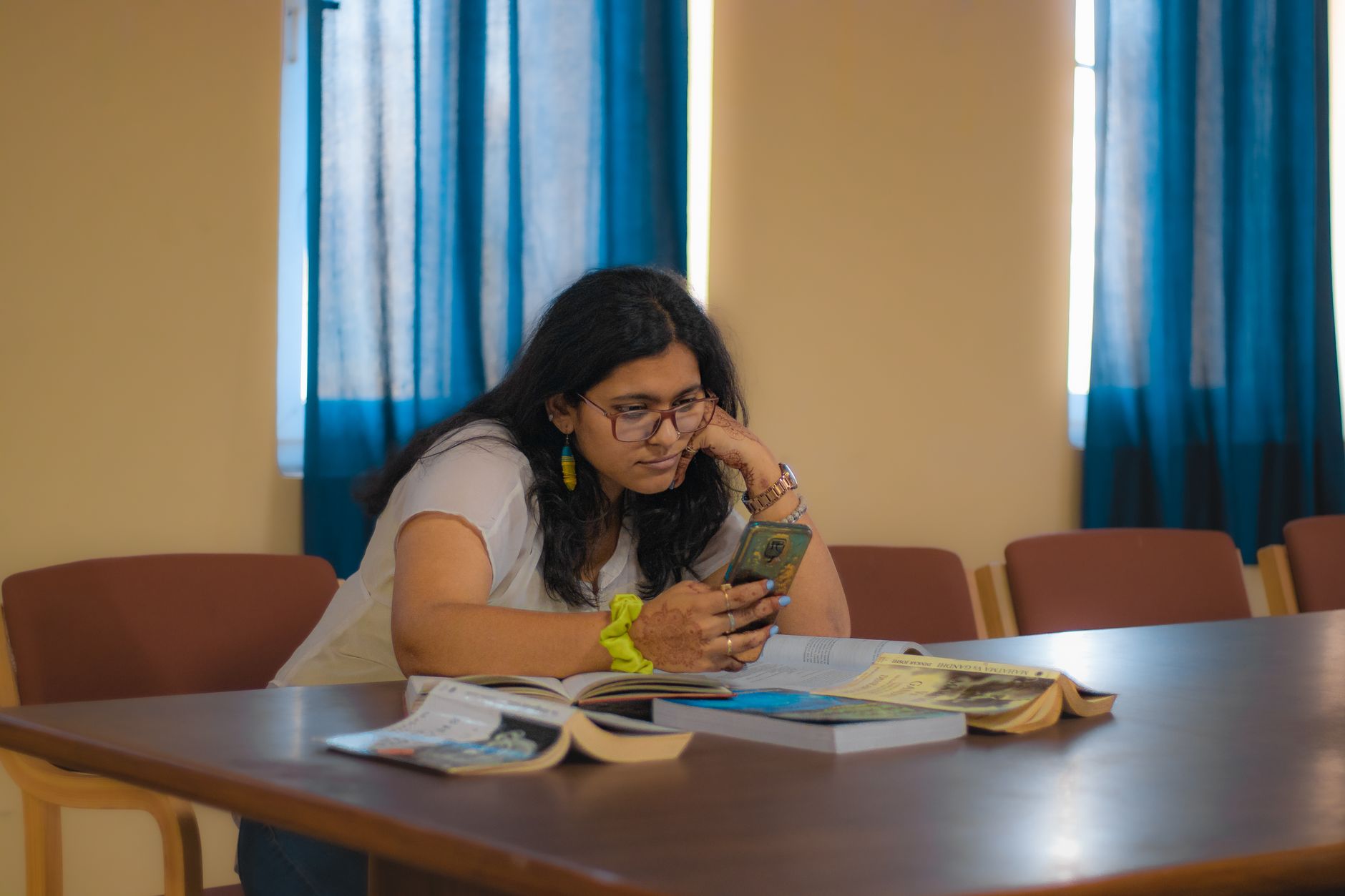
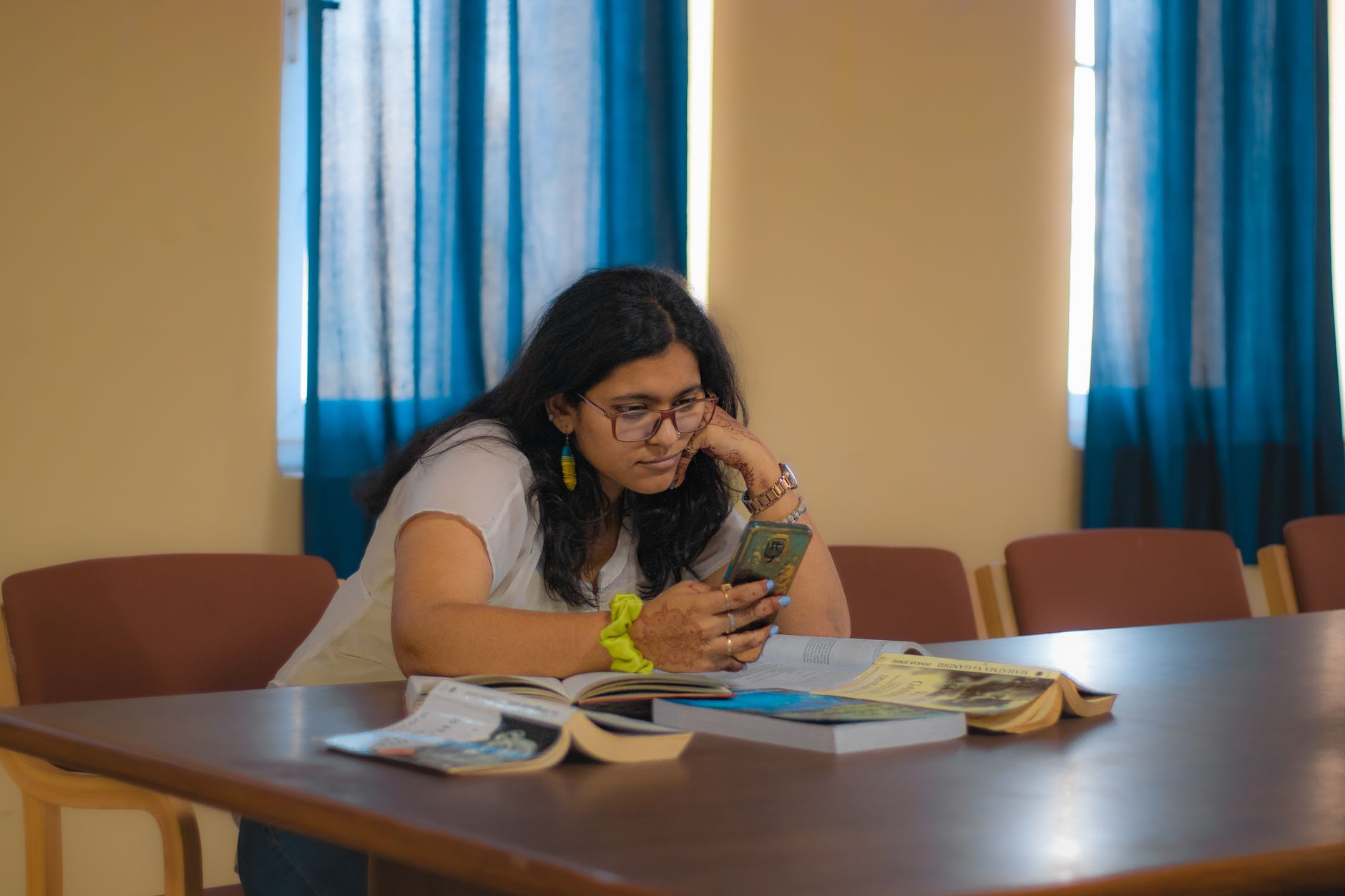
Amidst the bustling corridors of India's universities, a quiet revolution is unfolding. The All India Survey on Higher Education (AISHE) for 2023-24 highlights a significant achievement: the Gender Parity Index (GPI) has remained above 1.0 for the seventh consecutive year, standing at 1.08. This figure reflects a persistent trend—female students are outnumbering their male peers in enrolment across higher education institutions.
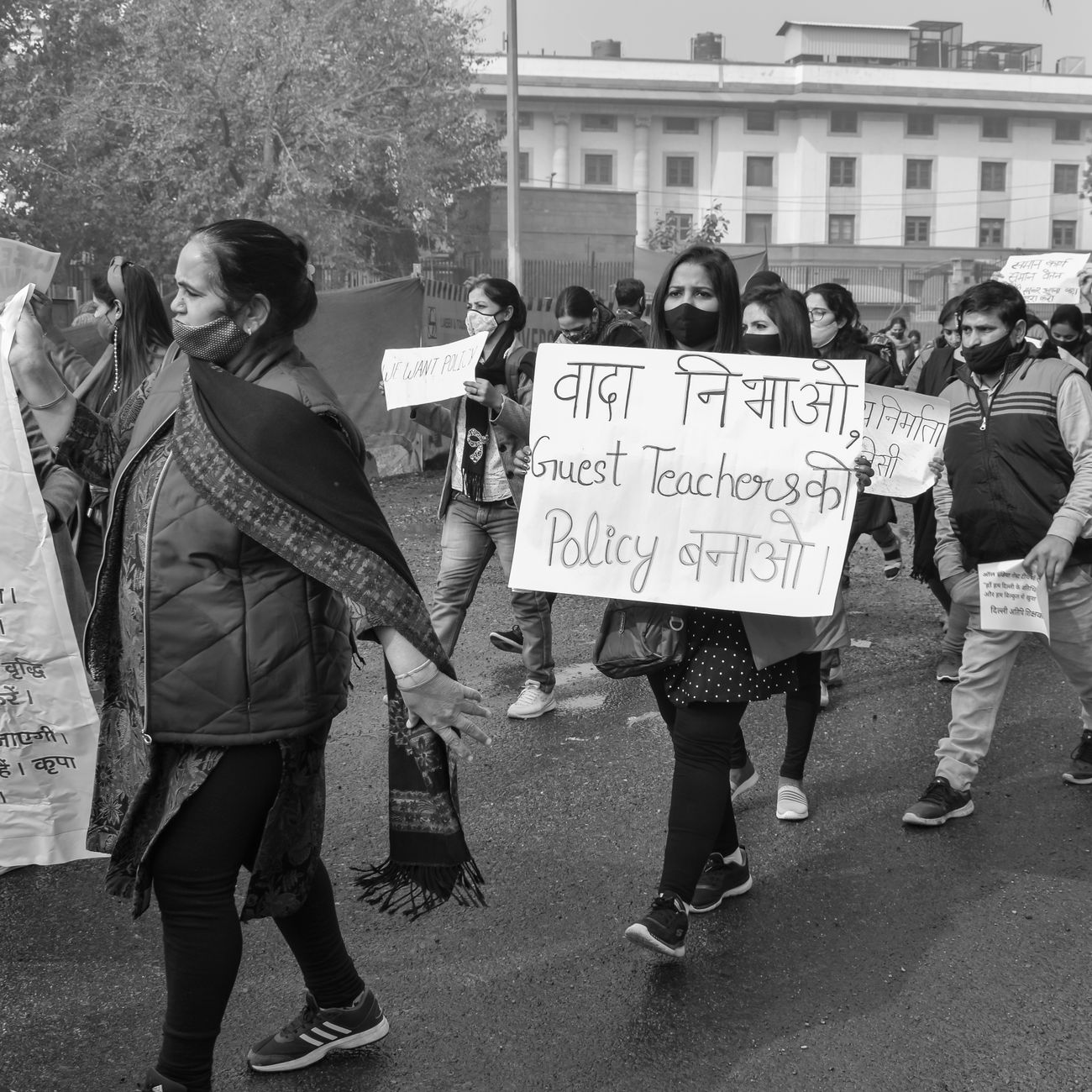
Yet, this narrative of progress is not without its paradoxes. While educational institutions swell with female students, the formal job market tells a different story. The disconnect between academic qualifications and employment opportunities remains pronounced, particularly for women. Despite earning degrees, many women find themselves tethered by societal expectations and domestic responsibilities, while concerns over safety in workplaces and public spaces further compound the issue.
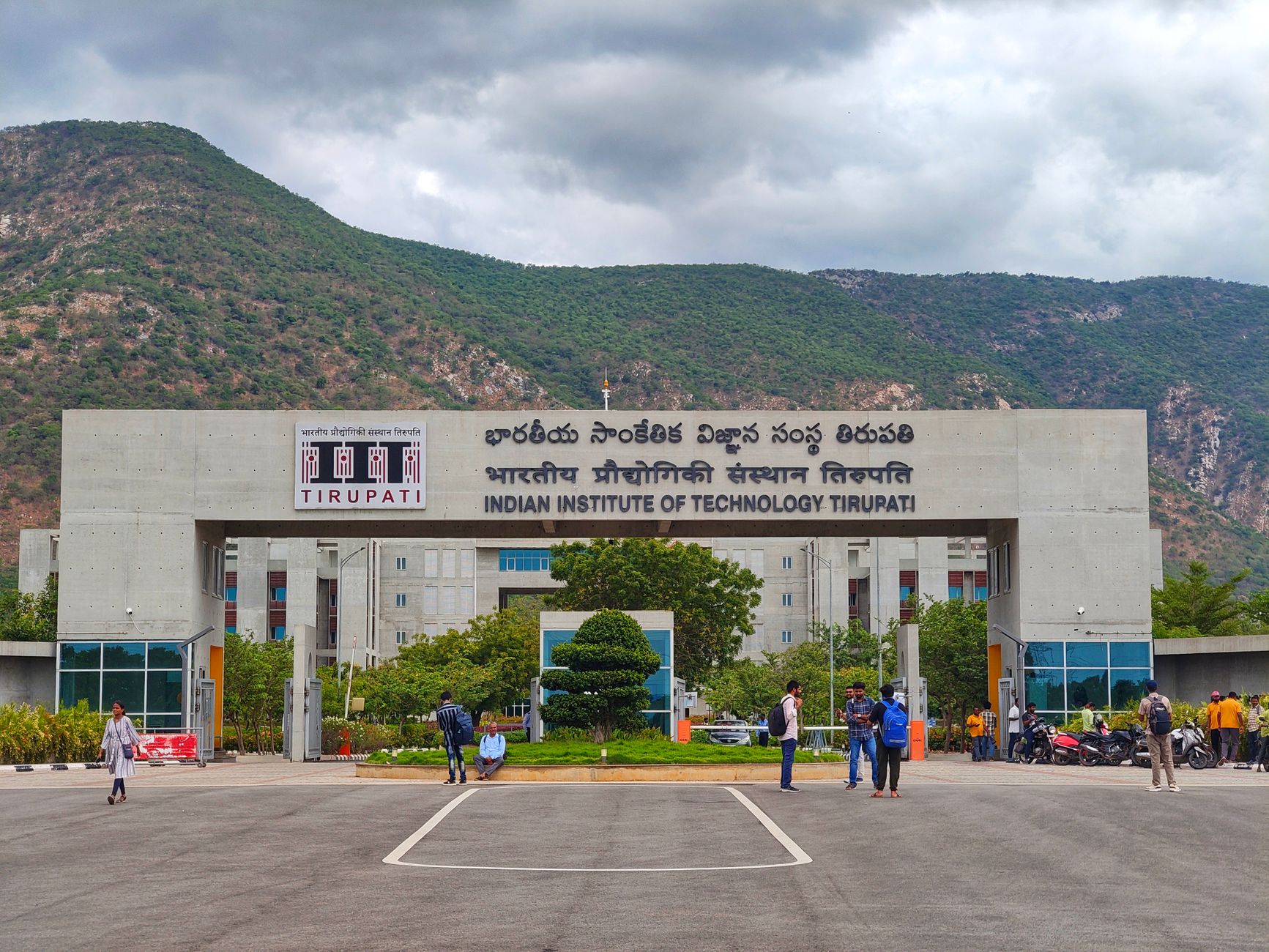
India's higher education sector is expansive, with over 4.1 crore students enrolled, a staggering 78.9% of whom are at the undergraduate level. But the promise of these numbers belies the reality faced by many graduates, who encounter a job market that often fails to recognise their qualifications.
Progress and Challenges
The AISHE report underscores the need for a dual approach: celebrating the strides made in gender parity while addressing the employment challenges that persist. The Gender Parity Index is a commendable achievement, yet the Female Labour Force Participation Rate remains worryingly low. This suggests that while women are accessing education, they are not proportionately entering the workforce.
Part of the solution lies in bridging the gap between education and employability. Institutions must align curricula with market needs, ensuring that graduates possess skills that are both relevant and in demand. Furthermore, creating safe and supportive environments for women in the workplace is paramount.
A Way Forward
As India continues to invest in its educational infrastructure, there is an urgent need to translate academic successes into economic empowerment. Policies that support women's entry into the workforce, along with initiatives to dismantle societal barriers, are essential. Only then can the true potential of India's burgeoning female student population be realised.
In conclusion, while the All India Survey on Higher Education paints a promising picture of gender parity in academics, it also serves as a clarion call to address the entrenched challenges that lie beyond the university gates. The journey from education to employment must be made smoother for the nation's women, whose contributions are vital to its future prosperity.