India's Role in Mercedes' Autonomous Future
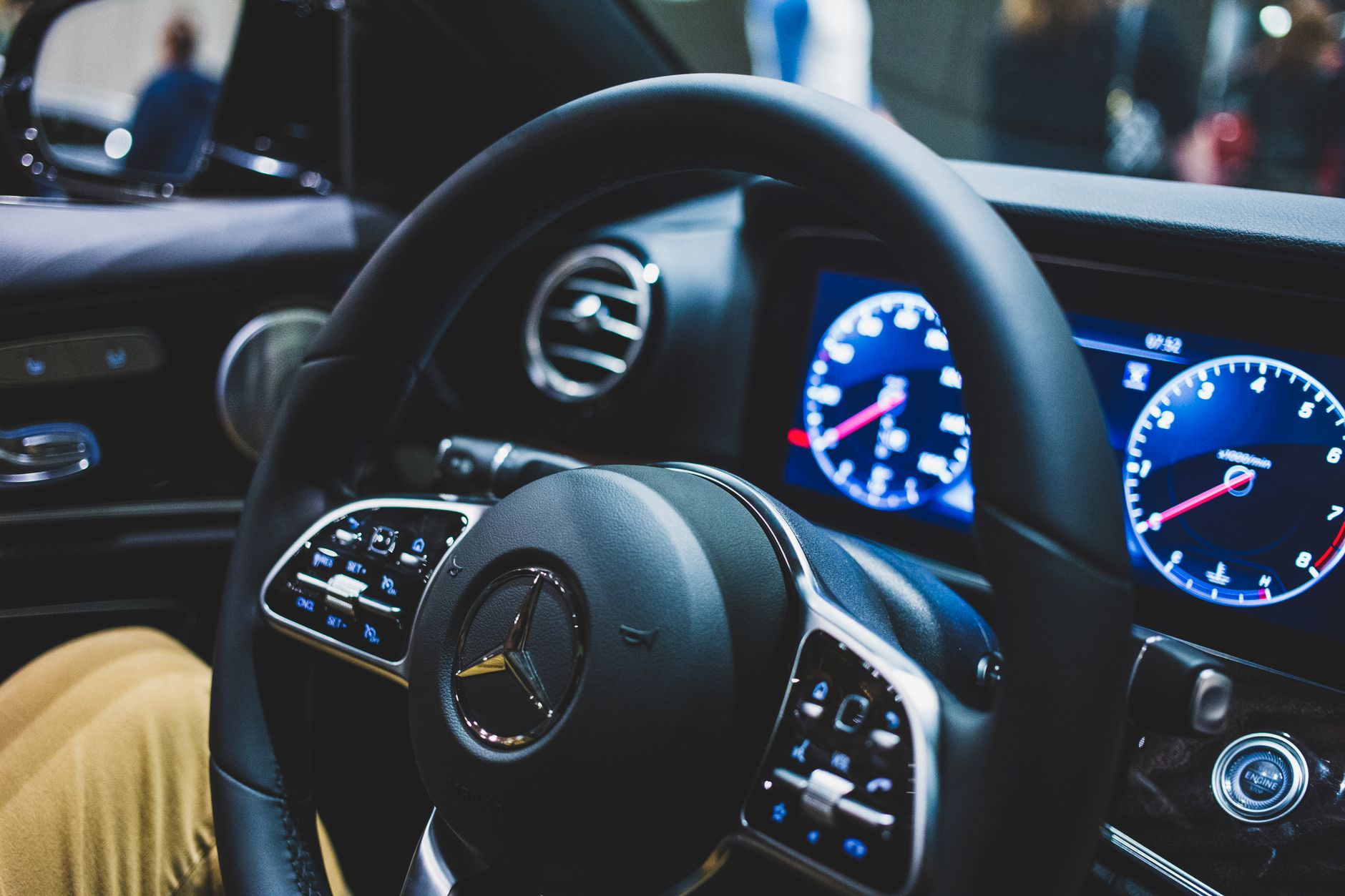
Mercedes-Benz's Chief Technology Officer, Jörg Burzer, has been outspoken about the vital role India plays in the company's future technology stack, particularly in the realm of autonomous driving. As the luxury carmaker accelerates its quest for self-driving vehicles, Indian teams are working at the forefront of this technological evolution.
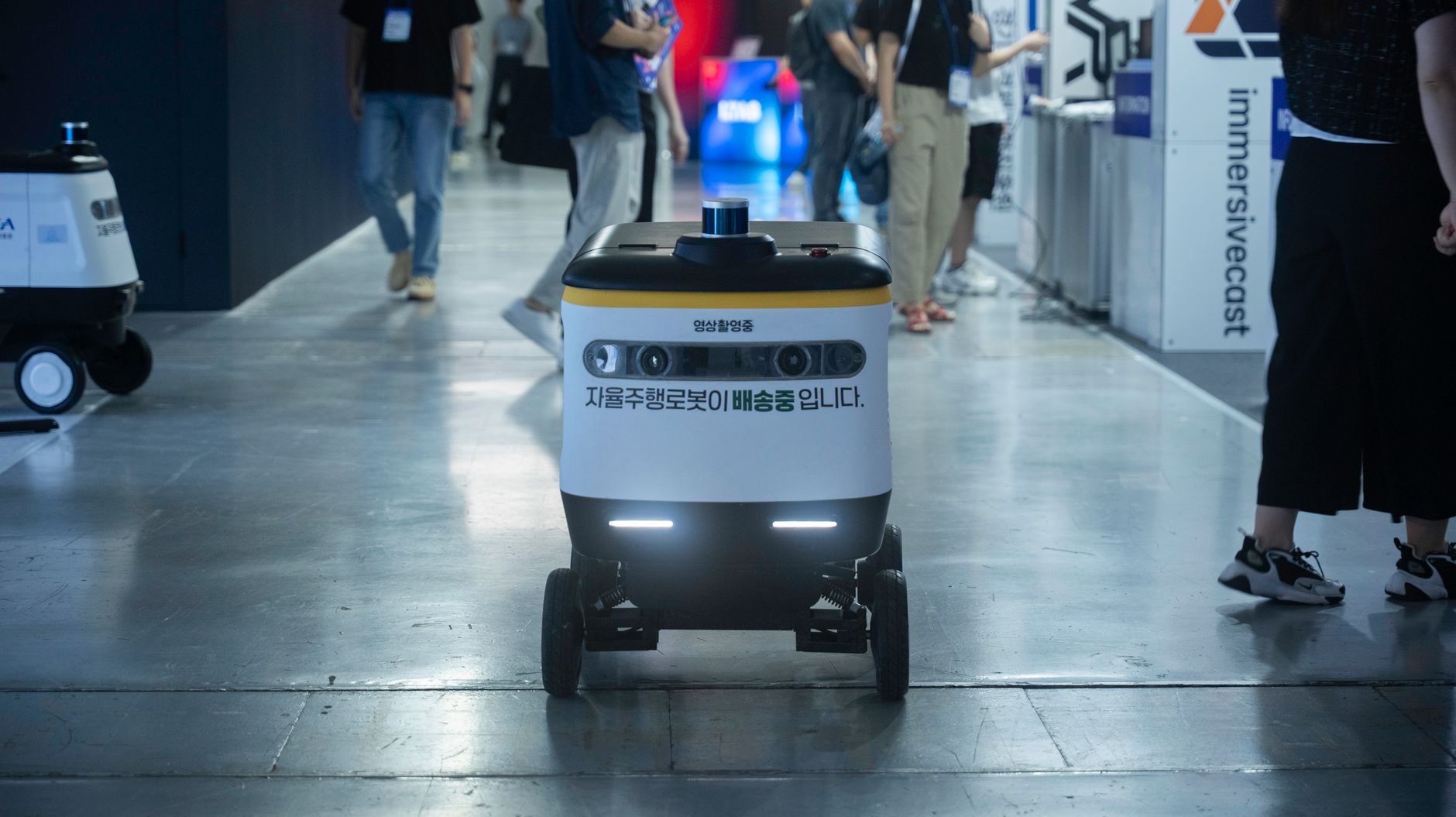
India's contribution isn't limited to mere coding. The nation's engineers are deeply involved in crafting the sophisticated systems that underpin Mercedes' autonomous ambitions. From developing cutting-edge infotainment solutions to refining the algorithms that guide the vehicles' radar, cameras, and ultrasonic sensors, Indian expertise is pivotal.
Mercedes-Benz has long been a titan in the automotive world, but its reliance on software and artificial intelligence marks a new chapter in its storied history. The company is not merely tinkering with technology; it is reimagining how vehicles are developed and operated. This transformation is not confined to the drawing board in Stuttgart but extends to bustling tech centres in India.
Burzer's strategic vision sees these technologies being rolled out in select German cities by the end of 2026, with plans for a nationwide deployment by early 2027. The decision to involve India so integrally is both a nod to the country's burgeoning tech prowess and a pragmatic move to harness cost-effective, high-quality engineering.
While the world watches the rollout of these autonomous systems, the collaboration between Germany and India serves as a testament to global synergy in technology development. As Mercedes navigates the complexities of automated driving, India's role is not just supportive but utterly indispensable.