India's Silicon Ambitions: A Chip Industry on the Rise
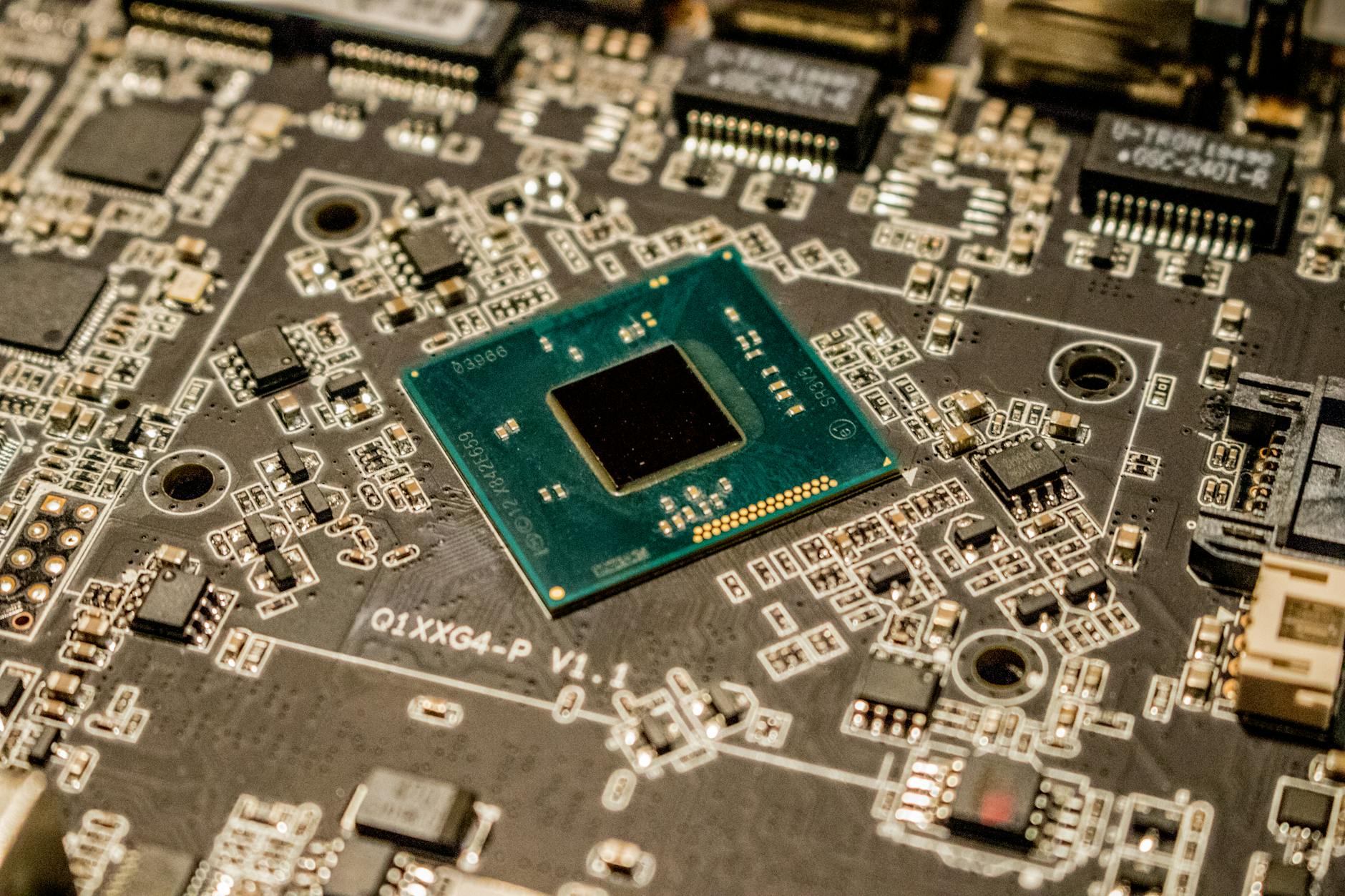
In the bustling corridors of India's technology sector, a quiet revolution is underway. With an eye on the global semiconductor market, India has laid down an ambitious blueprint to transform itself into a key player in the industry. The government has earmarked a 71% increase in funding for chip manufacturing in the 2024 Union budget, signalling its commitment to this technological frontier.
NITI Aayog's comprehensive semiconductor roadmap envisions a $150 billion ecosystem by 2035, encompassing manufacturing, research and development, and talent cultivation. The strategy is not merely about boosting production but also about fostering innovation. By enhancing its design capabilities and pushing the boundaries of materials science, India aims to evolve from a service-led design hub to a creator of unique intellectual property and architectures.
The domestic market is witnessing robust expansion. Industry estimates suggest that the Indian semiconductor market, valued at approximately $38 billion in 2023, could grow to $100-$110 billion by 2030. This growth is propelled by increasing demand for electronics and digital infrastructure, both critical to India's economic progress.
Challenges on the Horizon
Despite the optimistic outlook, the path is fraught with challenges. Semiconductor production is a complex endeavour requiring significant investment in infrastructure and talent. The process from production to market readiness, involving yield optimisation and reliability testing, can span several quarters. Moreover, developing a skilled workforce to operate these sophisticated fabs remains a critical hurdle.
The government's focus on 'building sovereign design and research capabilities' is crucial. By investing in R&D excellence and leveraging agentic AI for semiconductor engineering, India could carve out a niche in the competitive global market. Establishing deep capabilities in silicon design and integration technologies is essential for sustaining long-term growth and innovation.
A Vision for the Future
The vision is clear: India seeks to transition from being a consumer of foreign technology to becoming a creator of next-generation systems. The semiconductor initiative aligns with this strategic goal, promising to bolster the nation's technological sovereignty and economic resilience.
As the world becomes increasingly reliant on digital technologies, India's efforts to establish a robust semiconductor industry are both timely and necessary. The coming years will reveal the extent to which these ambitions are realised, but the groundwork is undoubtedly being laid for a future where India stands tall on the global semiconductor stage.